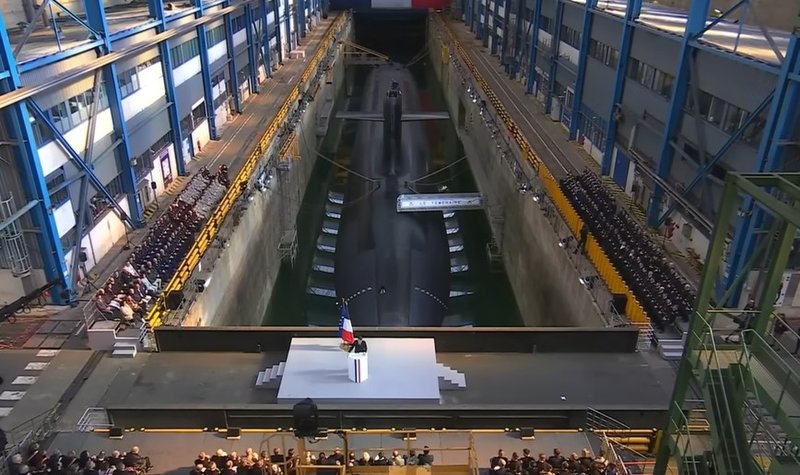
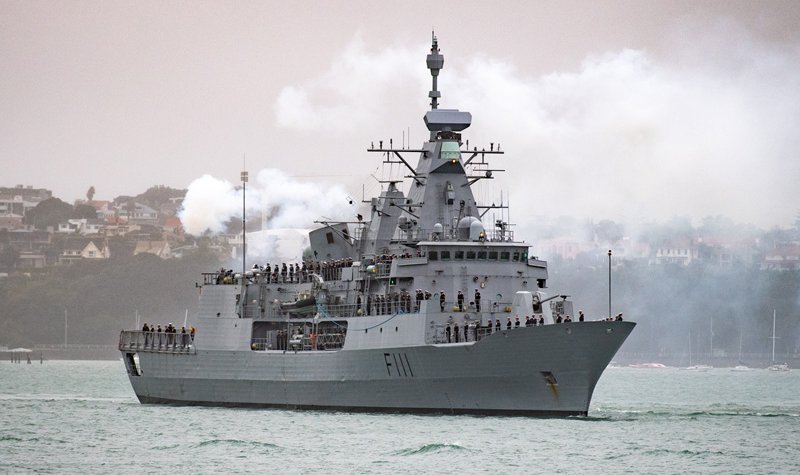
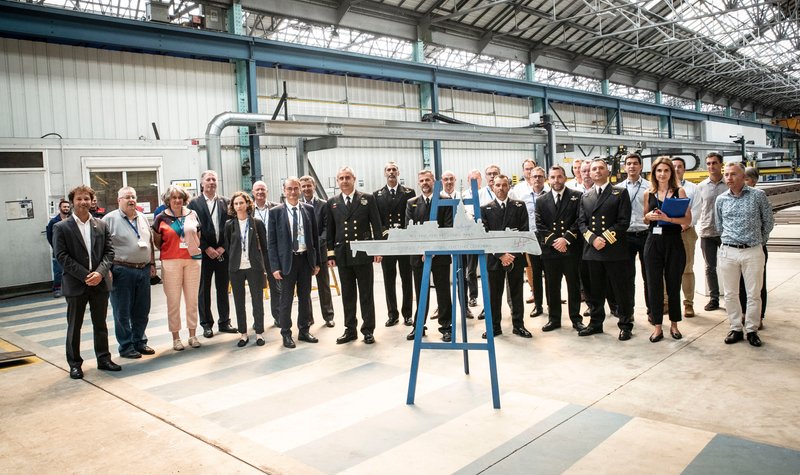
Ahead of Euronaval 2026, major submarine, frigate and aircraft carrier programmes are driving investment, while future corvette replacements and growing interest in uncrewed vessels offer further opportunities for industry into the 2030s and beyond.
The Canadian Department of National Defence is evaluating communications and reconnaissance changes for CCGS Imnaryuaq’s expanded maritime security role, while retaining its 2032 acceptance target.
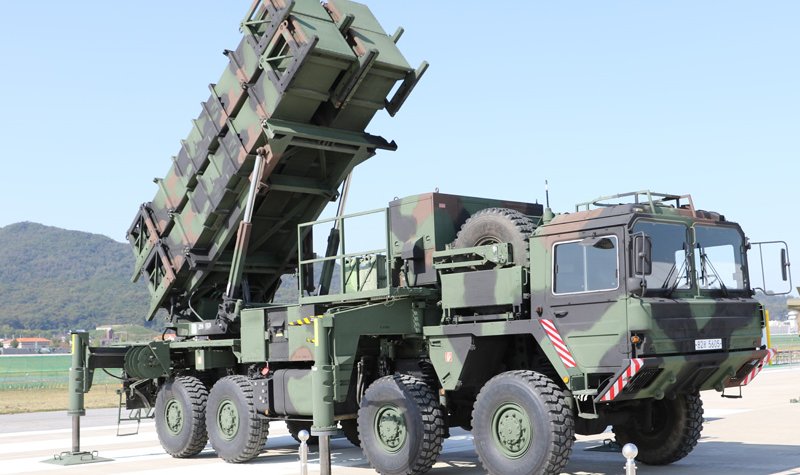
With Kim Jong-un showing no signs of mellowing, South Korea is planning to establish a strategic command to coordinate strikes and responses to North Korean provocations.
UK-based Horizon Technologies hails sales of its BlackFish and FlyingFish solutions to 'numerous' customers, and the company is preparing to launch its Amber CubeSat for maritime SIGINT.
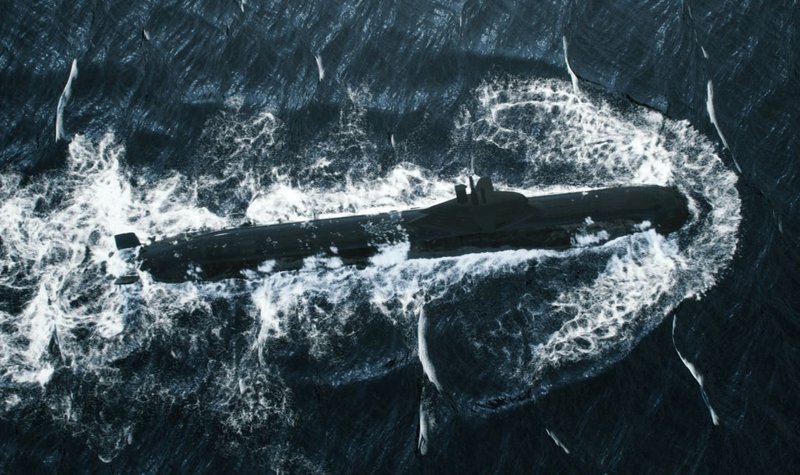
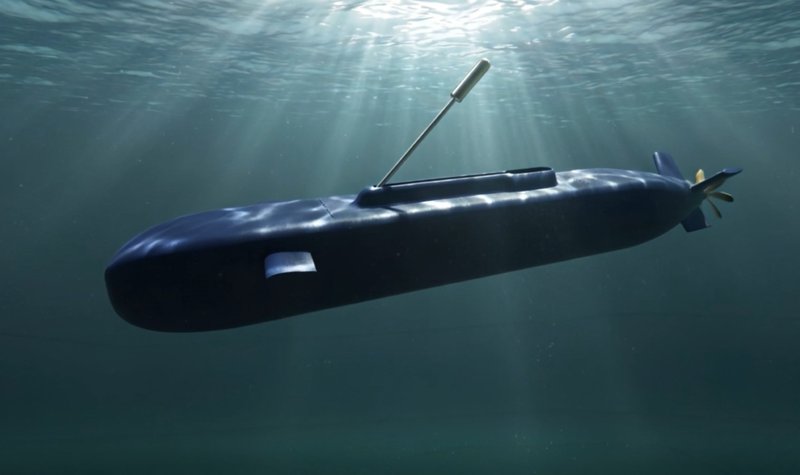
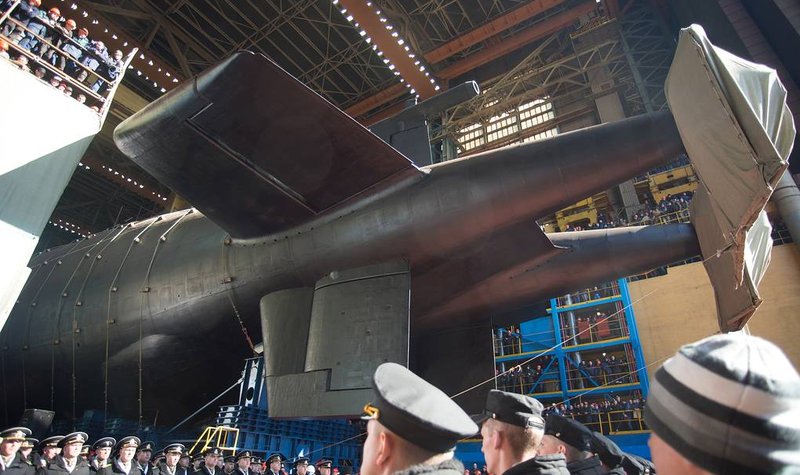
Is the Russian Belgorod special-purpose submarine really operational? Key capabilities remain unavailable, despite positive talk from the Russian Navy.