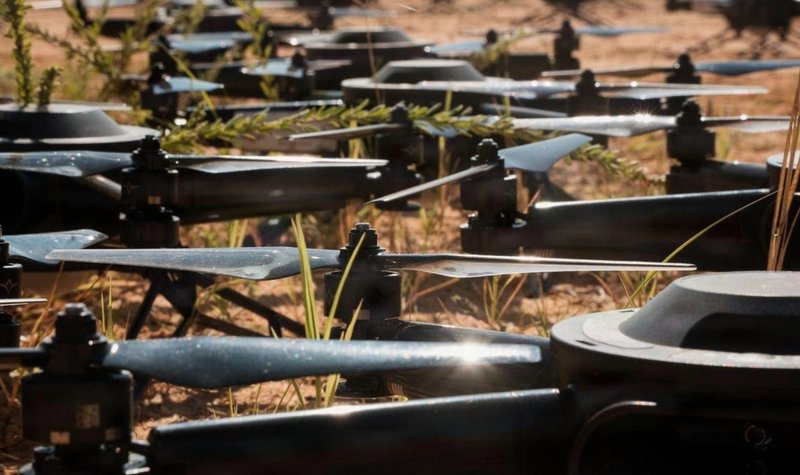
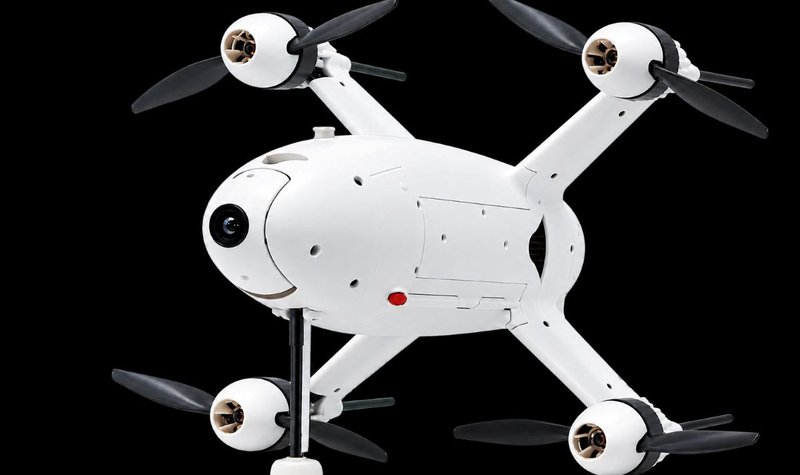
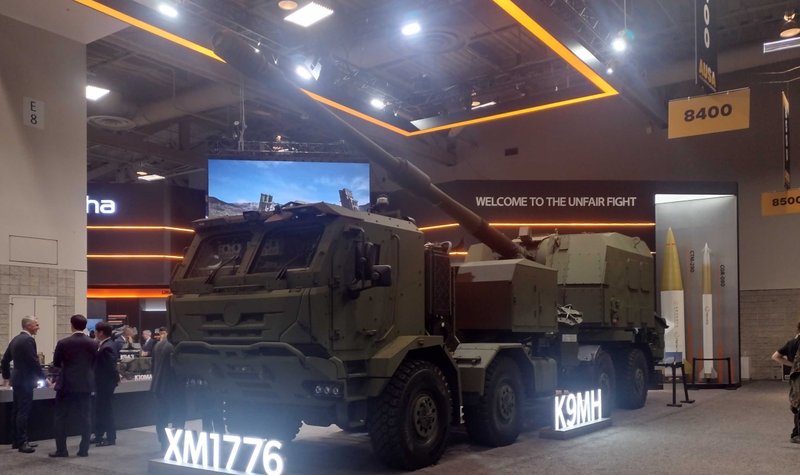
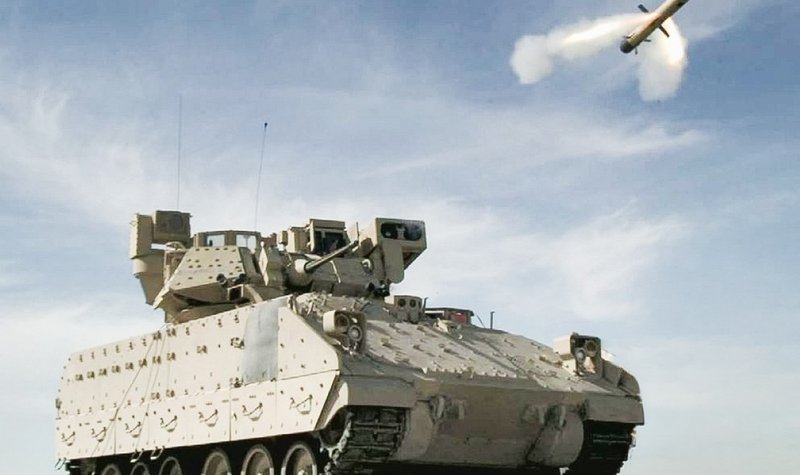
Rather than developing entirely new weapons, defence companies are looking to build on existing weapons and systems to deliver greater capability, control costs and accelerate fielding.
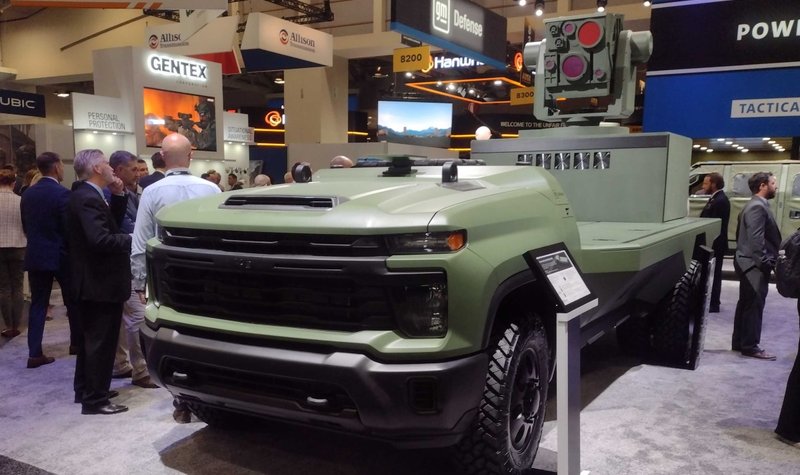
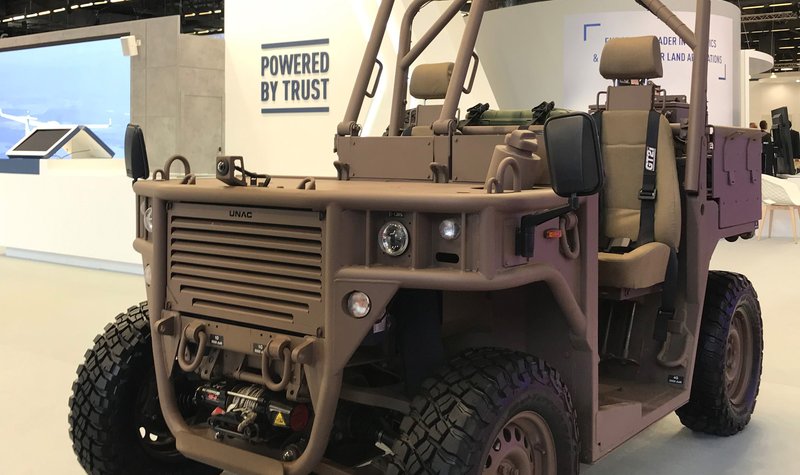
With a production rate of more than 10 million vehicles annually, the US commercial car and vehicle manufacturing base is second only to China. Defence companies are looking at how the vehicles, technology and manufacturing capability can support programmes.
Roman Köhne, CEO of Rheinmetall's Weapon and Ammunition Division, discusses the company's announcements at Eurosatory 2026, including developments in defence technology, precision systems, industrial ...
A newly published paper suggests that to fully harness the potential of AI, militaries need to change the way they think about trust and machine-human collaboration.
The UK has announced a further £1 billion ($1.2 billion) in military support to Ukraine, bringing the total value of aid since the start of the invasion to £2.3 billion.
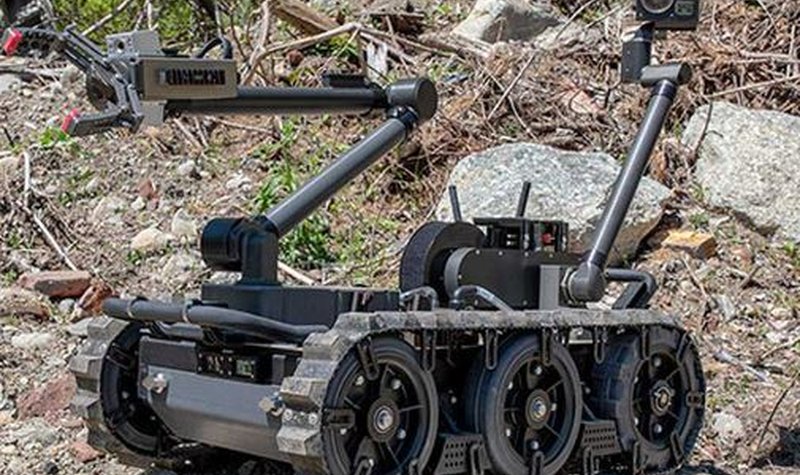
France is ploughing ahead with its 2022 schedule for the Furious UGV development programme, with the DGA procurement agency awarding Safran a second-phase contract.