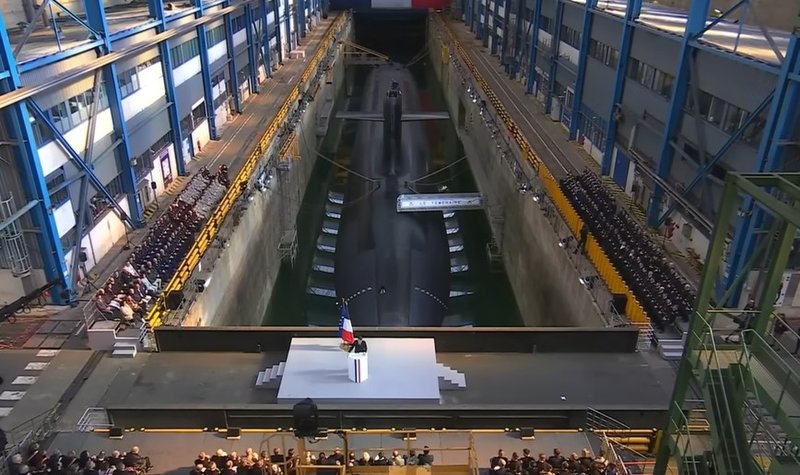
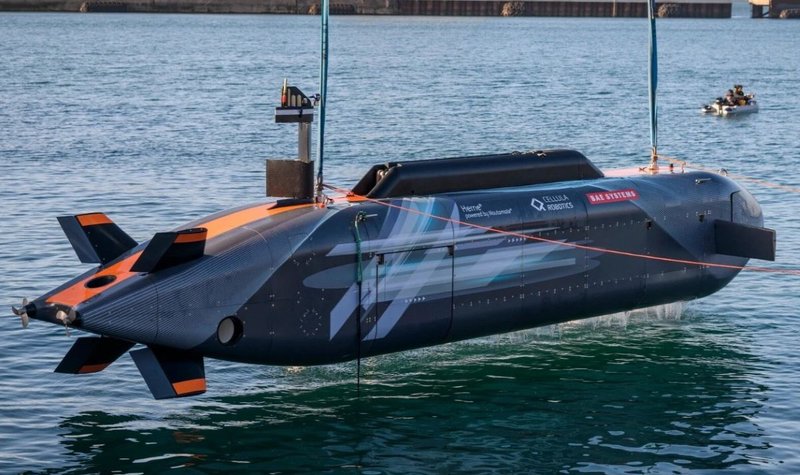
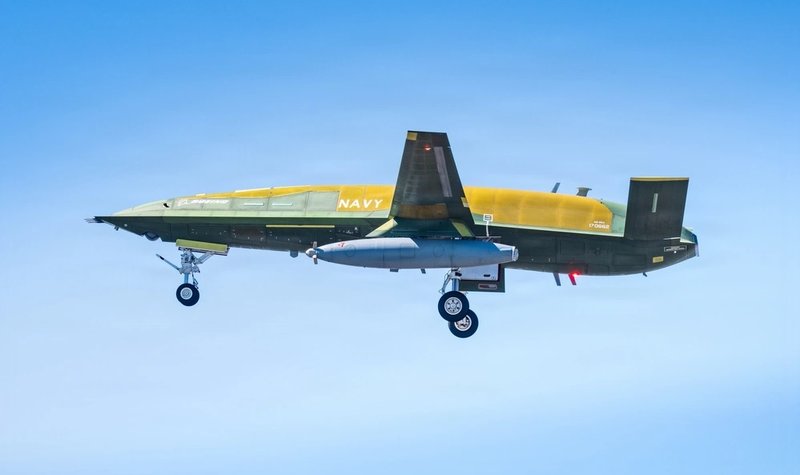
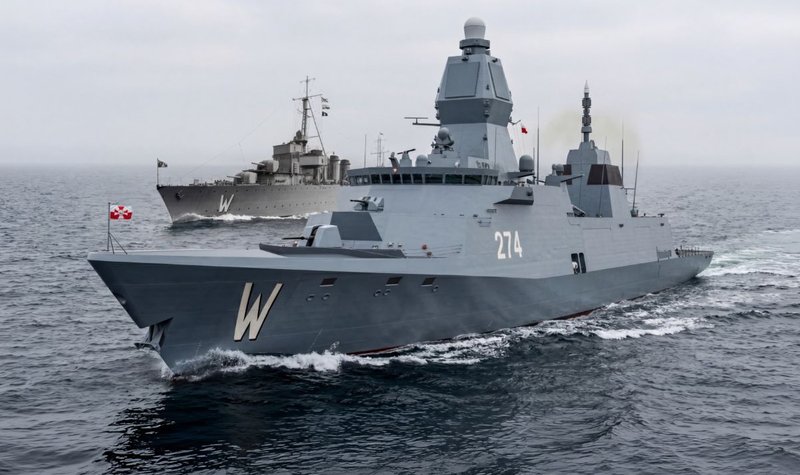
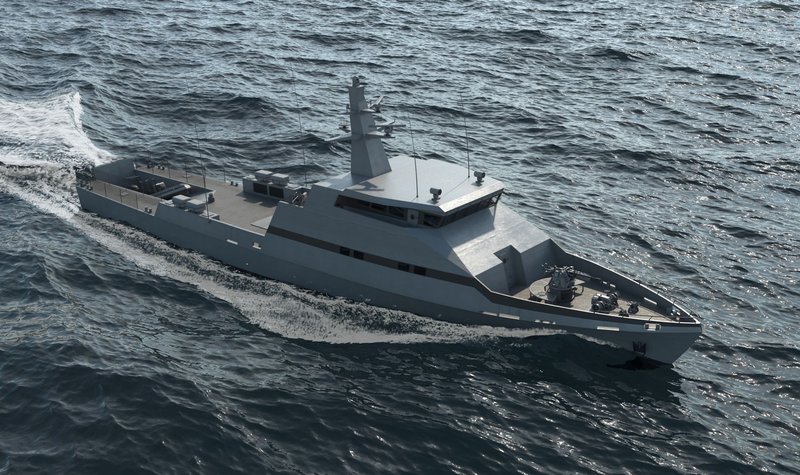
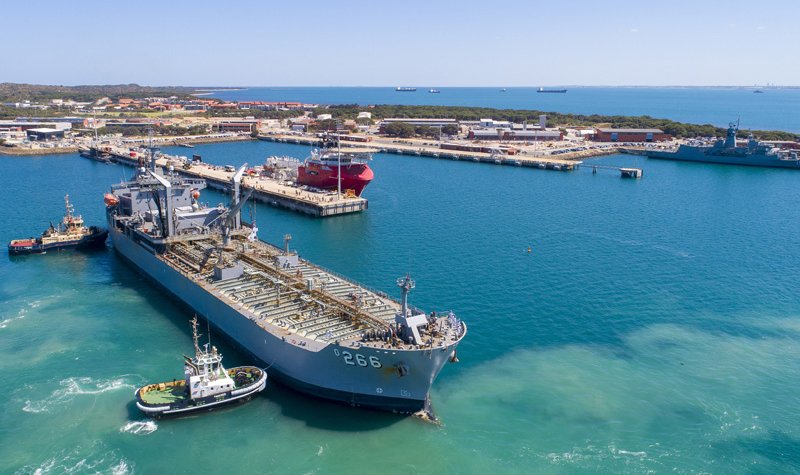
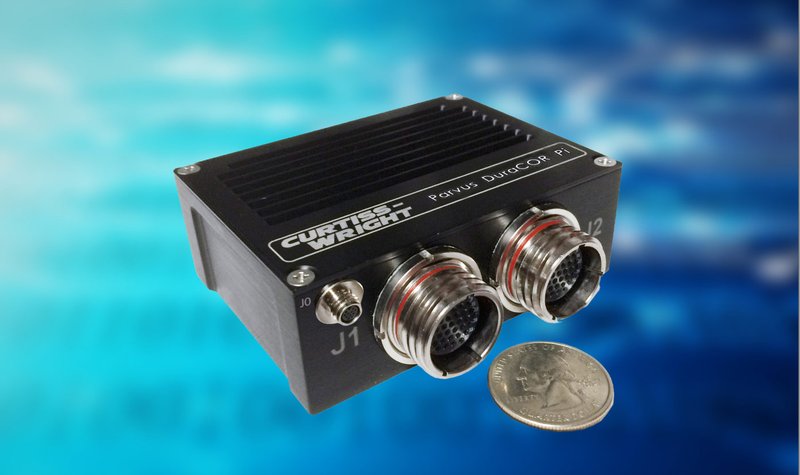
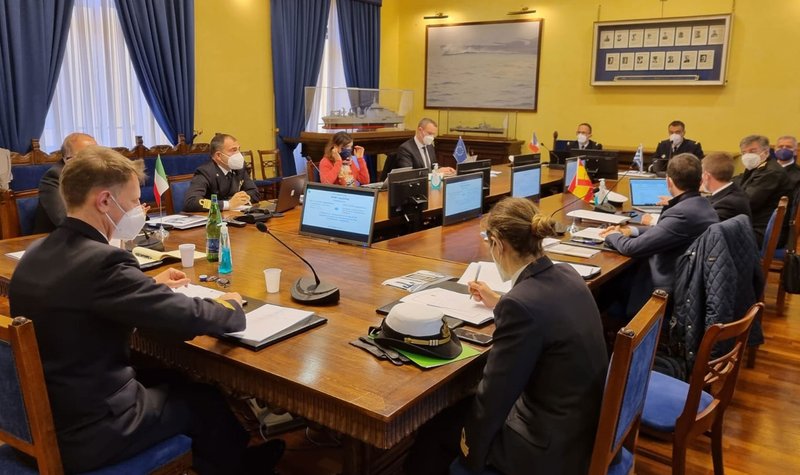
The Royal Navy’s transition towards a hybrid fleet could prove to be less about building more hulls and more about delivering the autonomous technologies, AI and digital integration that will support future maritime operations.
RTX Raytheon is accelerating production of the AIM-9X Sidewinder, aiming to reach 2,500 missiles annually by late 2027 while strengthening its supply chain following two US Navy major contracts worth more than $2.2 billion.
At DSEI 2025, James Gray, Managing Director and CEO of Raytheon UK (part of RTX), outlines the company’s century-long presence in the UK and its evolving role across defence, aerospace, cyber, and tra...
At DSEI 2025, Controp representatives outline how artificial intelligence is being integrated with electro-optical payloads to improve decision-making and operational efficiency across land, air, and ...
At DSEI 2025, Red Cat outlines its expansion from UAVs into uncrewed surface vessels (USVs), positioning itself as a multi-domain defence provider spanning land, sea, and air.
Intelsat outlines how its multi-orbit SATCOM architecture is enhancing connectivity and resilience for special operations forces operating in degraded and contested environments.
A wide-ranging report on the state of Irish defence capabilities has proposed that Dublin invests in more modern equipment, especially across the air and sea domains.
Under its Force Design 2030, the USN and USMC envisage a fleet of 24-35 Light Amphibious Warships that can operate in regions such as the Indo-Pacific for up 30 days at a time.
Textron Systems believes surface effect ship technology could be used to provide specialised performance capabilities that traditional monohull vessels cannot.