Ahead of Euronaval 2026, major submarine, frigate and aircraft carrier programmes are driving investment, while future corvette replacements and growing interest in uncrewed vessels offer further opportunities for industry into the 2030s and beyond.
The Canadian Department of National Defence is evaluating communications and reconnaissance changes for CCGS Imnaryuaq’s expanded maritime security role, while retaining its 2032 acceptance target.
Developed by the US Naval Research Laboratory (NRL) with the help of Raytheon, the Flexible Distributed Radar Array (FlexDAR) system is said to offer improvements in detection, tracking and electronic protection.
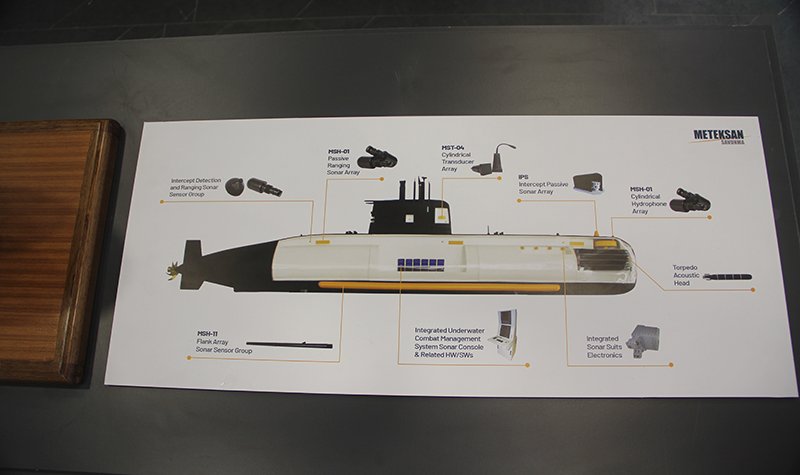
Turkish manufacturer's SISS submarine-based sonar system will reduce Turkish Naval Forces' reliance on foreign suppliers, while upgraded YAKAMOS package will equip export corvettes.
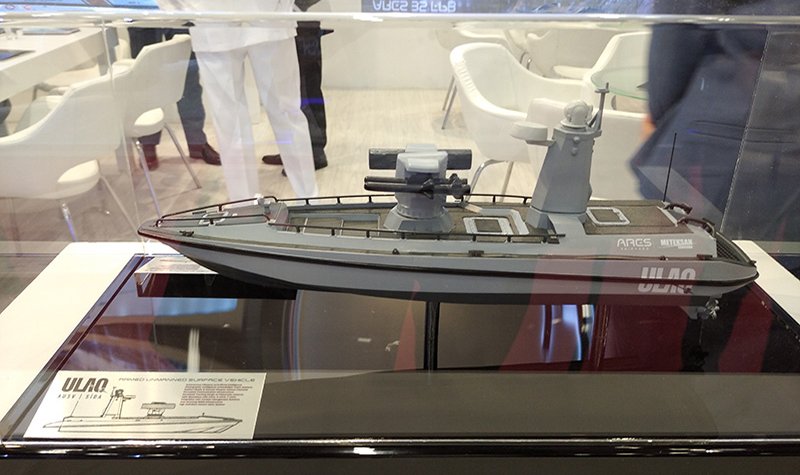
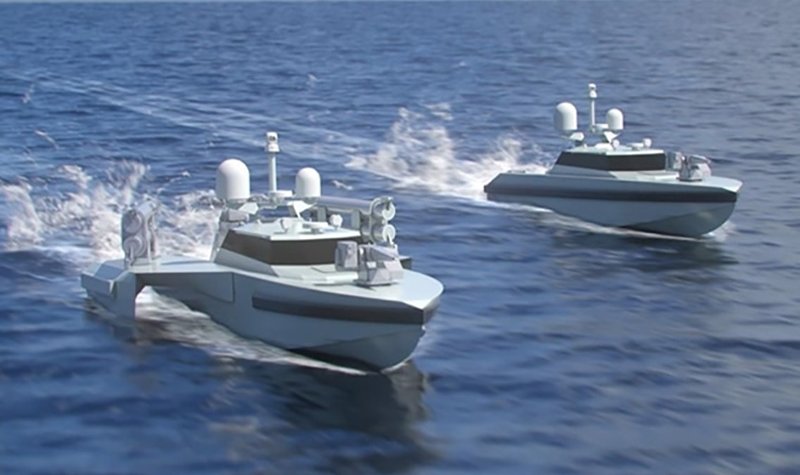
Ares Shipyard CEO says that the first Ulaq USV should be delivered by the end of 2021, and a foreign customer is interested in the anti-submarine warfare variant.
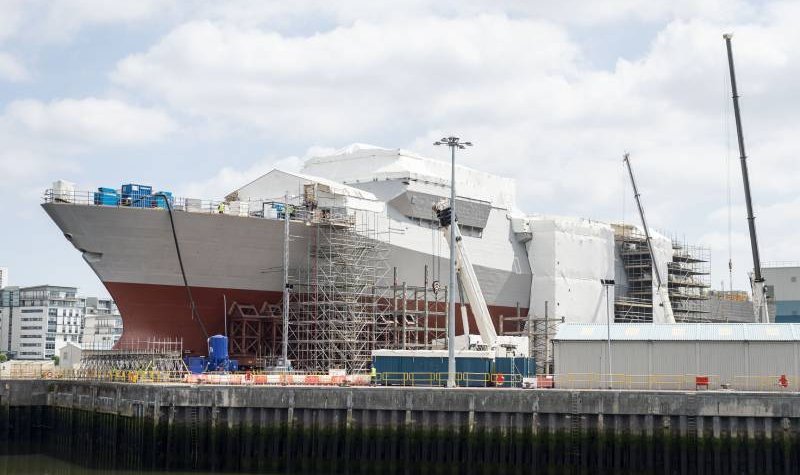
UK Defence Secretary Ben Wallace first announced the Refreshed National Shipbuilding Strategy on 16 March at the Society of Maritime Industries Annual Conference, adding it would include a 30-year pipeline of all government vessels over 150...