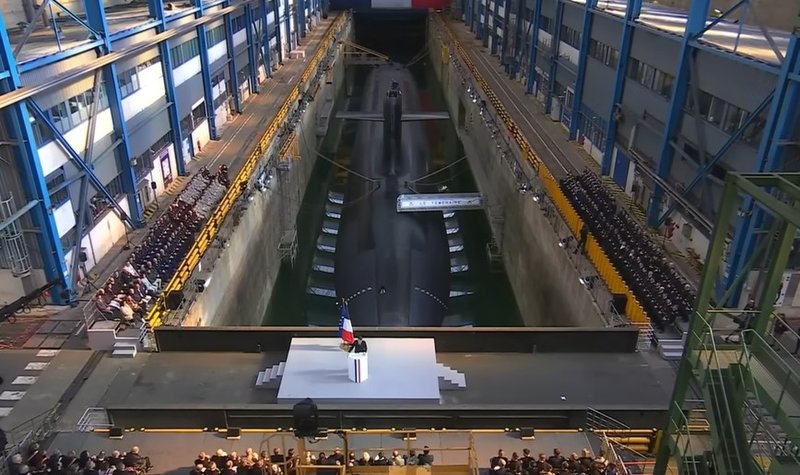
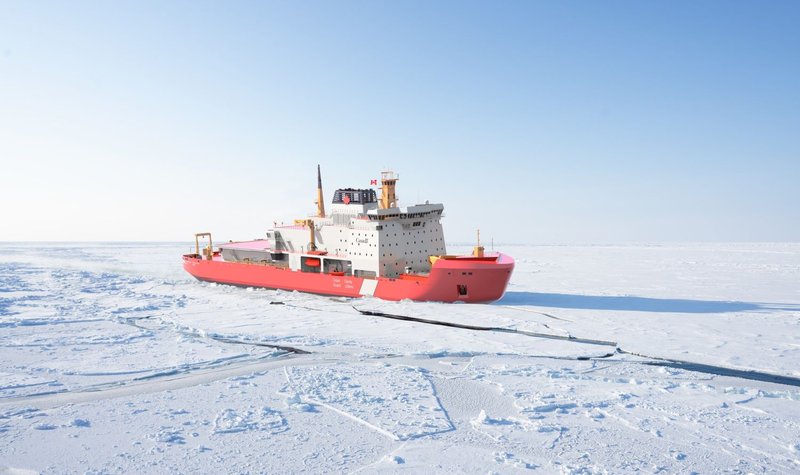
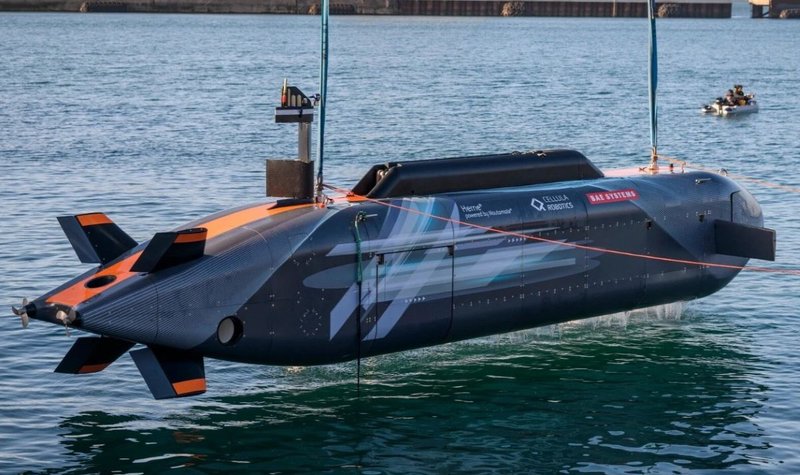
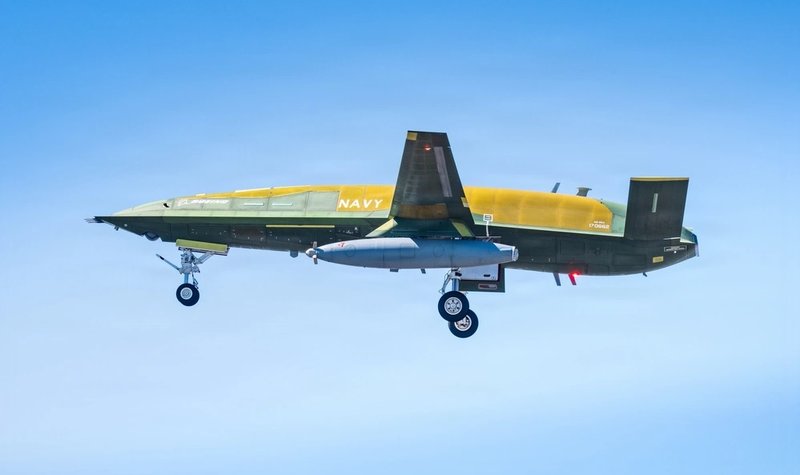
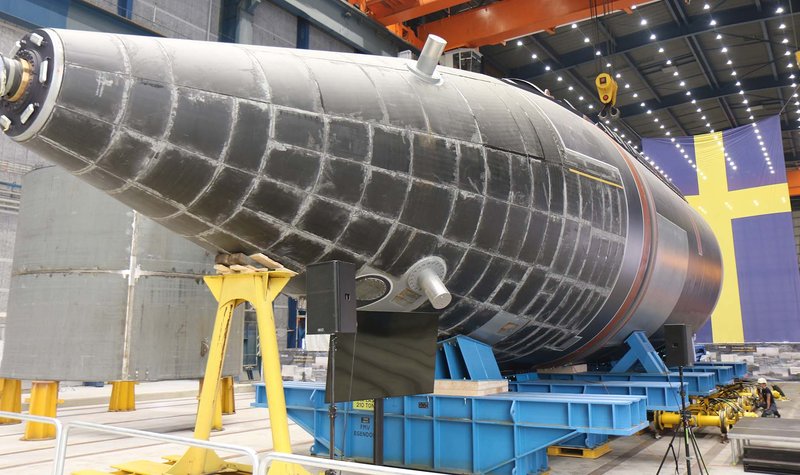
As sea ice extent hits a record low and geopolitical tensions increase in the High North, navies are contending to adopt the technologies needed to operate beneath an increasingly unpredictable Arctic Ocean.
Enabling Aegis-equipped vessels to launch PAC-3 MSE interceptors will give the USN more options to engage highly manoeuvrable hypersonic missiles – including the ones China has been developing.
At DSEI 2025, James Gray, Managing Director and CEO of Raytheon UK (part of RTX), outlines the company’s century-long presence in the UK and its evolving role across defence, aerospace, cyber, and tra...
At DSEI 2025, Controp representatives outline how artificial intelligence is being integrated with electro-optical payloads to improve decision-making and operational efficiency across land, air, and ...
At DSEI 2025, Red Cat outlines its expansion from UAVs into uncrewed surface vessels (USVs), positioning itself as a multi-domain defence provider spanning land, sea, and air.
Intelsat outlines how its multi-orbit SATCOM architecture is enhancing connectivity and resilience for special operations forces operating in degraded and contested environments.
While much attention has been fixed on the strike capabilities of UAVs in the current Russia-Ukraine war, a different application for uncrewed aircraft has made headway in the Black Sea.
Lethality was a key topic during the First Sea Lord's Sea Power Conference, with UK Armed Forces Minister James Heappey saying he wanted to see the RN lead the way in the field.
Attacks by Ukrainian Baykar Bayraktar TB2 UAVs on Russian patrol boats in the Black Sea could mark the first successful neutralisation of naval vessels by an uncrewed system.
Progress on the support ship Jacques Chevallier marks an important milestone for France's FLOTLOG programme and paves the way for future collaboration on the country's future aircraft carrier.