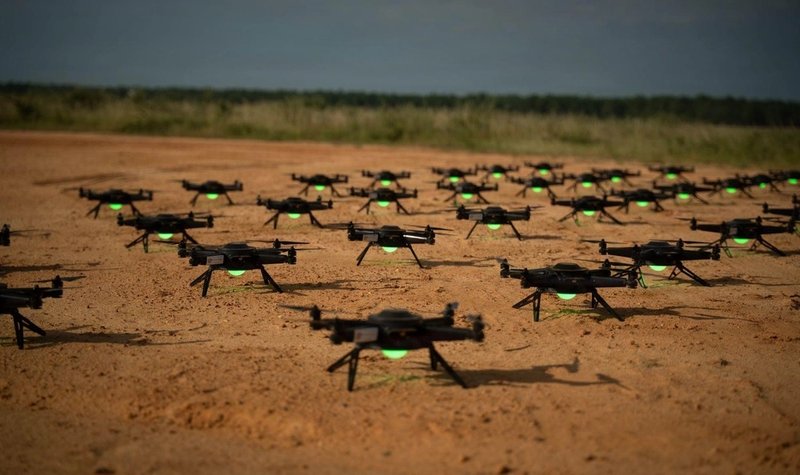
US Air Force, Army, Marine Corps and Special Operations Command initiatives signal demand for interoperable uncrewed systems control, creating opportunities for suppliers of hardware, software and integration services.
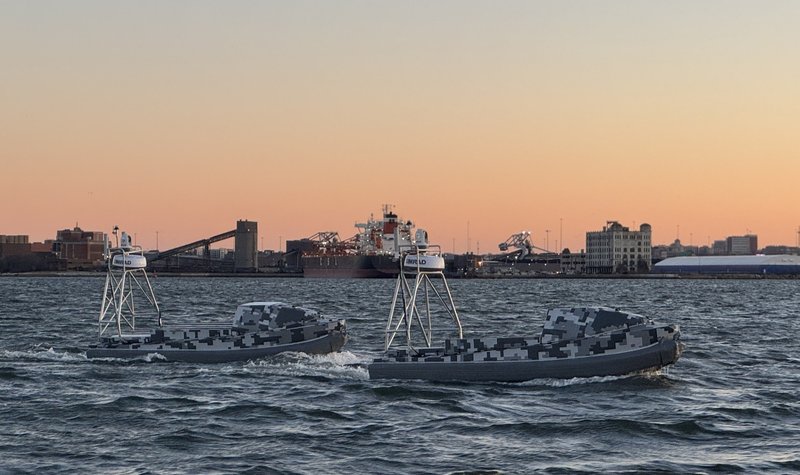
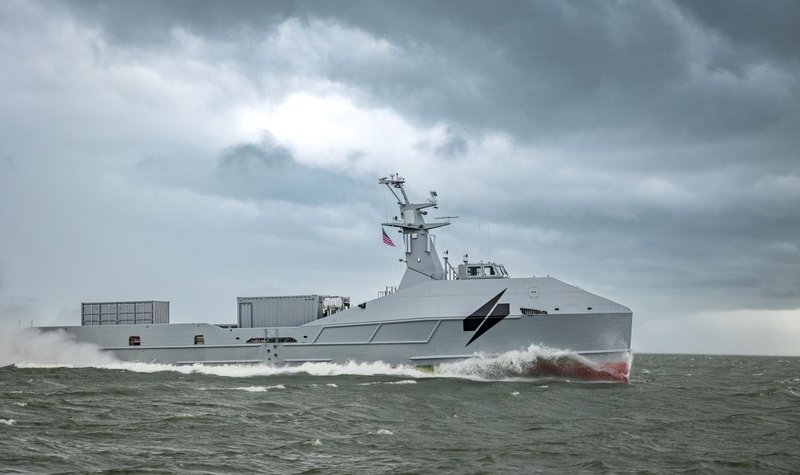
HII, Saronic and Galliano Marine Services have won US Navy production contracts to supply medium uncrewed surface vessels. The marketplace approach behind them sets the bar for suppliers eyeing allied navy competitions.
At DSEI 2025, James Gray, Managing Director and CEO of Raytheon UK (part of RTX), outlines the company’s century-long presence in the UK and its evolving role across defence, aerospace, cyber, and tra...
Controp representatives outline how artificial intelligence is being integrated with electro-optical payloads to improve decision-making and operational efficiency across land, air, and maritime domai...
At DSEI 2025, Red Cat outlines its expansion from UAVs into uncrewed surface vessels (USVs), positioning itself as a multi-domain defence provider spanning land, sea, and air.
Intelsat outlines how its multi-orbit SATCOM architecture is enhancing connectivity and resilience for special operations forces operating in degraded and contested environments.
Raytheon's Joint Precision Approach and Landing System that helps aircraft safely land on carriers in conditions up to sea state five has seen several nations' interest as they look to develop their own aircraft carrier programmes.
The USN wants to combine the best capabilities of its Seawolf, Virginia, and Columbia-class submarines as it looks to move ahead with its next-generation SSN(X) attack submarine.
A UK Defence Science Technology Laboratory project is exploring how satellite-based synthetic aperture radar can be used to spot vessels that have disabled their Automatic Identification System.
Read Naval Warfare Handbook Issue 2, an international guide to the naval warfare industry providing detailed information on surface vessels, submarines, naval guns and more.