Ahead of Euronaval 2026, major submarine, frigate and aircraft carrier programmes are driving investment, while future corvette replacements and growing interest in uncrewed vessels offer further opportunities for industry into the 2030s and beyond.
The Canadian Department of National Defence is evaluating communications and reconnaissance changes for CCGS Imnaryuaq’s expanded maritime security role, while retaining its 2032 acceptance target.
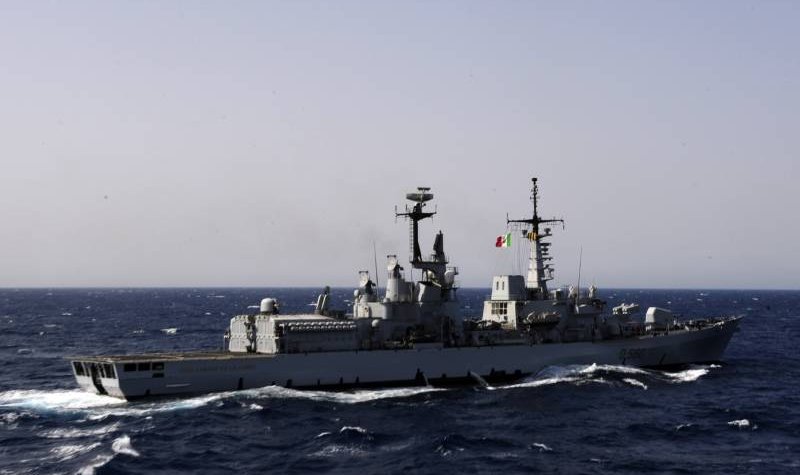
In its 2021-2023 multi-year defence planning document, Italy has committed funding to develop its DDX future destroyer, along with various other naval programmes.
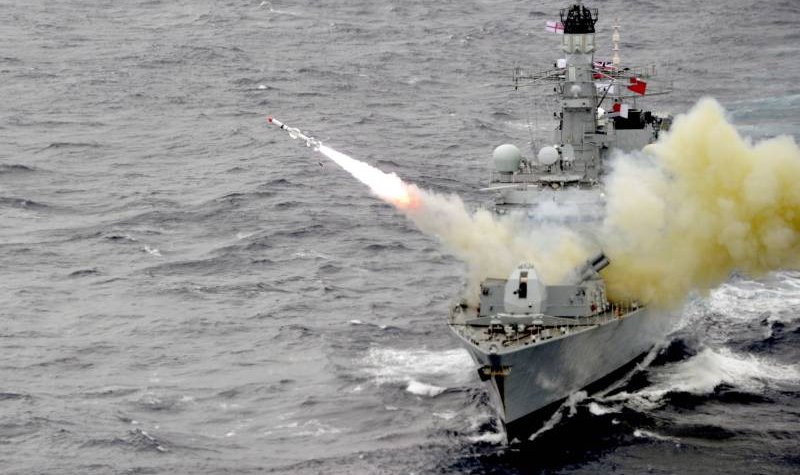
The UK RN is scoping out options for its next surface-to-surface guided weapons system but it has yet to move forward with plans for an interim Harpoon anti-ship missile replacement.
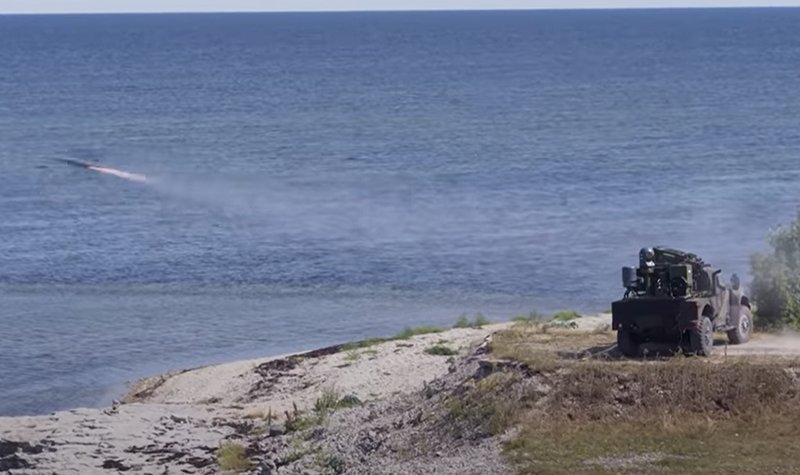
Joint procurement of anti-ship missiles has fallen flat, but a recent demonstration illustrates how keen Estonia is to overhaul its coastal defence systems.