NATO has spent more than a decade building one of the world’s most sophisticated maritime uncrewed experimentation ecosystems, but still lacks a way to translate this testing into alliance-wide operational capability. Portugal now believes it has the answer.
At DSEI 2025, James Gray, Managing Director and CEO of Raytheon UK (part of RTX), outlines the company’s century-long presence in the UK and its evolving role across defence, aerospace, cyber, and tra...
At DSEI 2025, Controp representatives outline how artificial intelligence is being integrated with electro-optical payloads to improve decision-making and operational efficiency across land, air, and ...
At DSEI 2025, Red Cat outlines its expansion from UAVs into uncrewed surface vessels (USVs), positioning itself as a multi-domain defence provider spanning land, sea, and air.
Intelsat outlines how its multi-orbit SATCOM architecture is enhancing connectivity and resilience for special operations forces operating in degraded and contested environments.
The latest annual report from the weapons testing authority in the DoD highlighted new design shortfalls in Ford-class aircraft carriers. The EMALS, arrestor gear, weapons elevators, and dual-band radar are not hitting reliability targets.
Teledyne FLIR is supplying AI-enhanced ISR equipment for the Danish Defence Mobile Sensor Systems programme. A mobile sensor systems programme in Denmark is being supported …
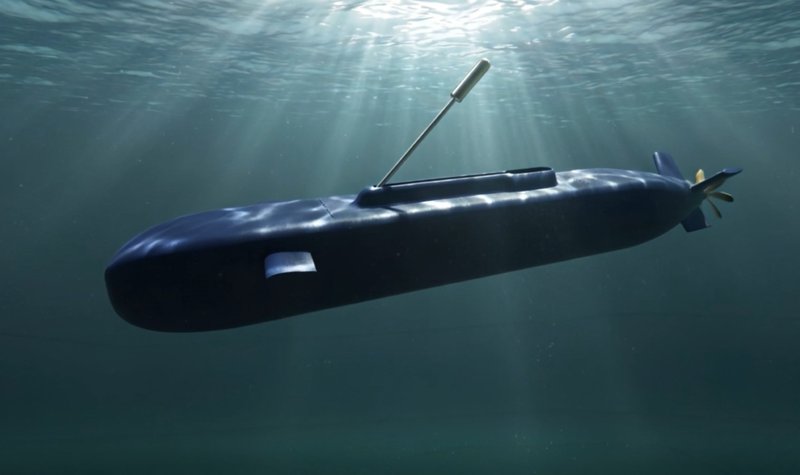
The presence of an elongated sail on concept artwork and the high price tag of the submarines has prompted questions about the capabilities of new boats ordered by Israel from Germany.
Tests continue under the autonomous mine clearance vessel programme for the Belgian and Dutch navies, with the latest focus being on launch and recovery systems.