Ahead of Euronaval 2026, major submarine, frigate and aircraft carrier programmes are driving investment, while future corvette replacements and growing interest in uncrewed vessels offer further opportunities for industry into the 2030s and beyond.
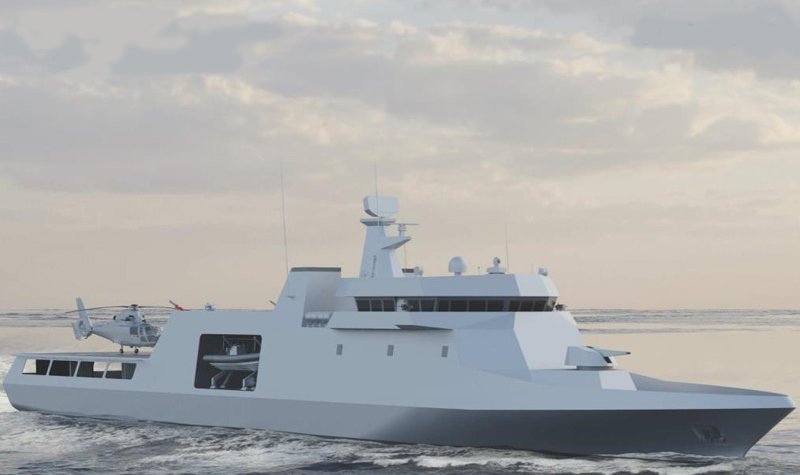
The Canadian Department of National Defence is evaluating communications and reconnaissance changes for CCGS Imnaryuaq’s expanded maritime security role, while retaining its 2032 acceptance target.
The Russian invasion of Ukraine has exposed the danger from peer rivals while non-state actors remain a disruptive threat. To meet these evolving challenges, the Five Eyes must embrace the power of emerging technologies.
In the latest episode of the Five Eyes Connectivity podcast, we look at the next generation of communications, asking how the Five Eyes can best harness technological advantages, while protecting themselves against emerging threats.
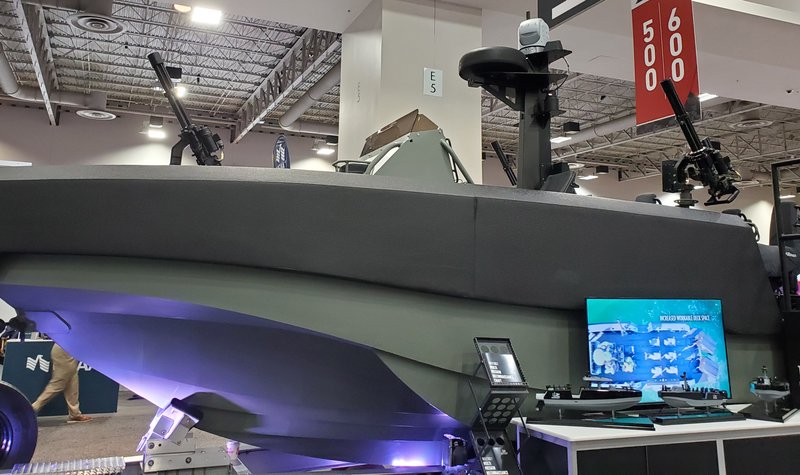
The Alpha MMRC is being delivered to the Australian Defence Force but its developer Whiskey Project Group is interested in generating further interest.