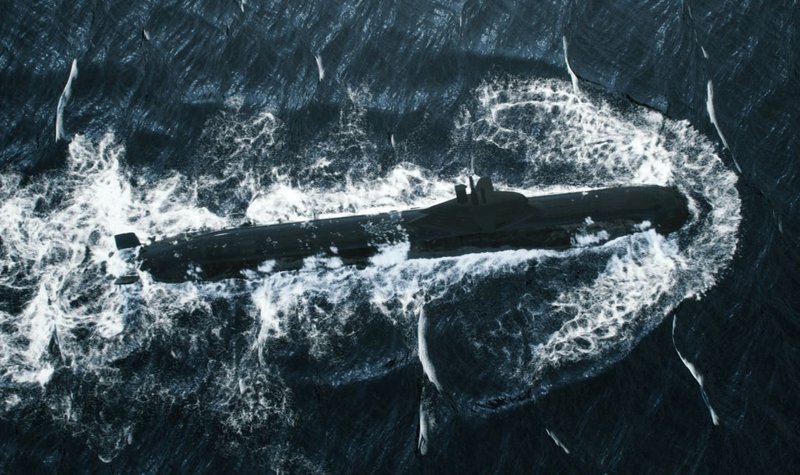
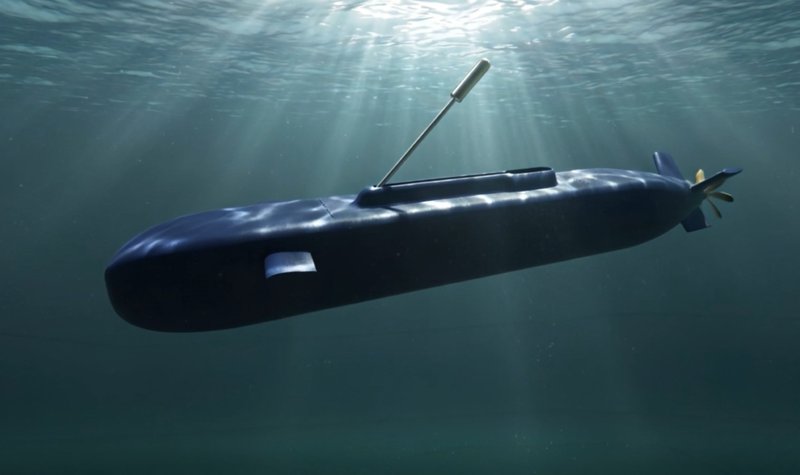
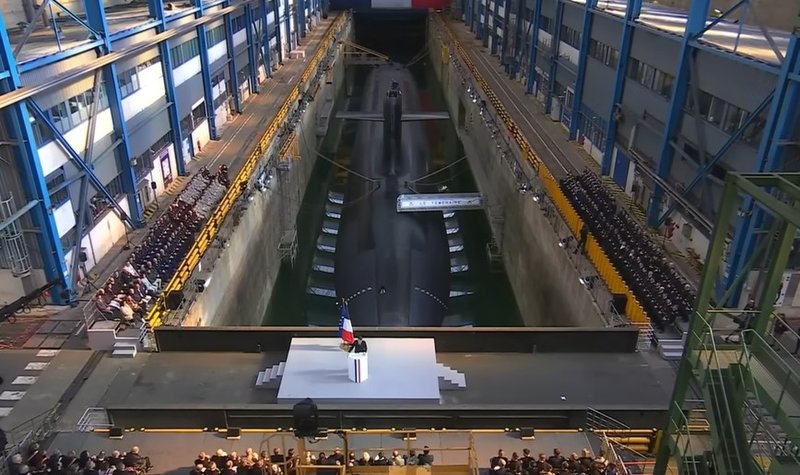
Ahead of Euronaval 2026, major submarine, frigate and aircraft carrier programmes are driving investment, while future corvette replacements and growing interest in uncrewed vessels offer further opportunities for industry into the 2030s and beyond.
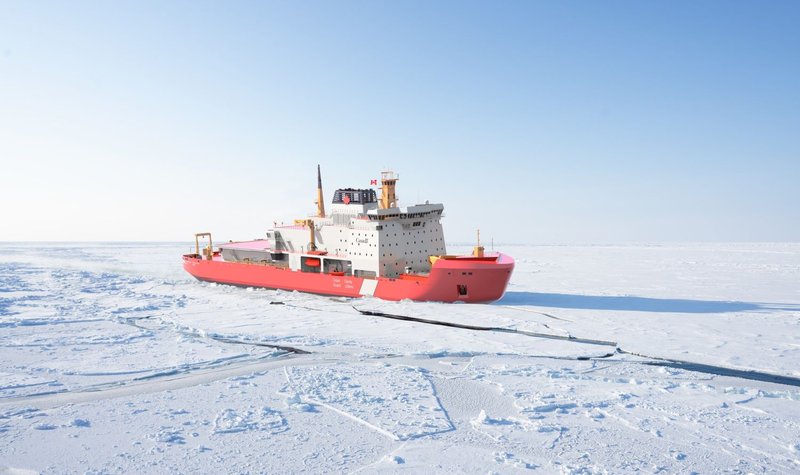
The Canadian Department of National Defence is evaluating communications and reconnaissance changes for CCGS Imnaryuaq’s expanded maritime security role, while retaining its 2032 acceptance target.
Rolls-Royce Power Systems is investing in new assembly lines and an additional 450 employees by 2031, anticipating increased demand for MTU-brand engines following shifts in European security policy.
The US Air Force’s Shadow Operation Center supported the preparation of a US Indo-Pacific Command exercise that is set to increase joint force competence.
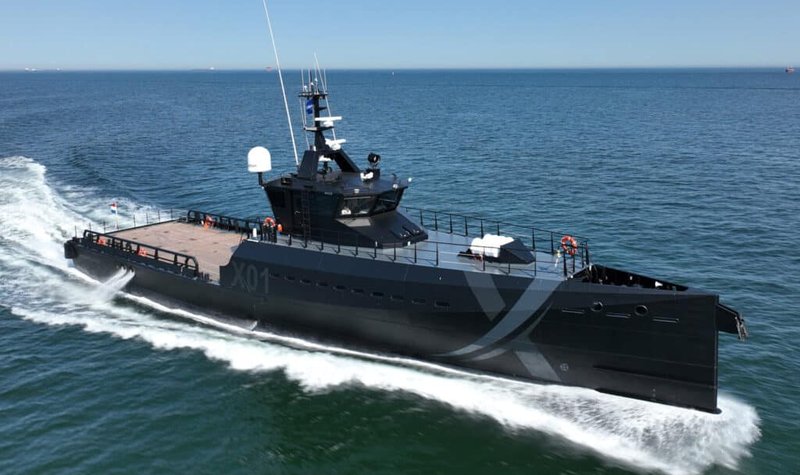
The newest research ship for the UK Royal Navy can be adapted to specific trials or experiments including testing UAVs, autonomous vessels and AI decision-making.
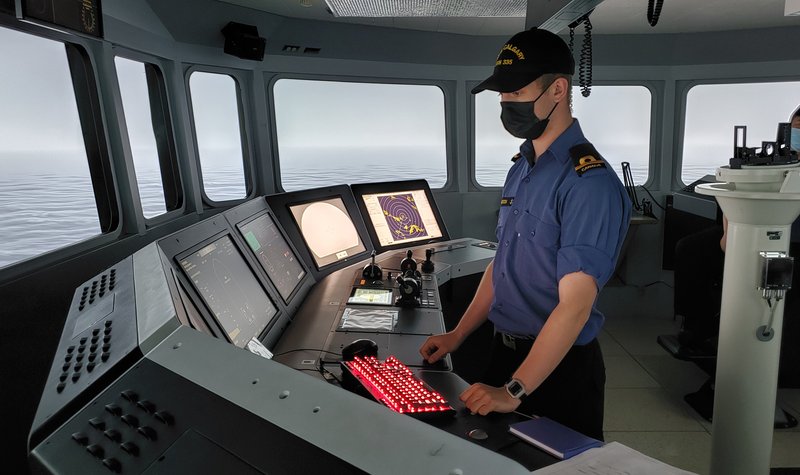
The Royal Canadian Navy is enhancing simulator infrastructure at its main Pacific training facility, with an emphasis on upgrading projectors and introducing VR technology.
The US Navy is pushing for a fleet of over 350 crewed ships and submarines and around 150 large USVs and UUVs under the Chief of Naval Operations (CNO) Adm Mike Gilday's Navigation Plan 2022.