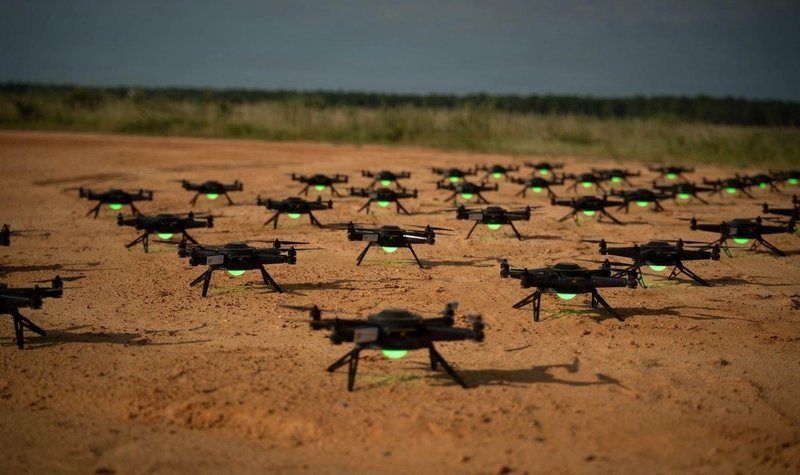
US Air Force, Army, Marine Corps and Special Operations Command initiatives signal demand for interoperable uncrewed systems control, creating opportunities for suppliers of hardware, software and integration services.
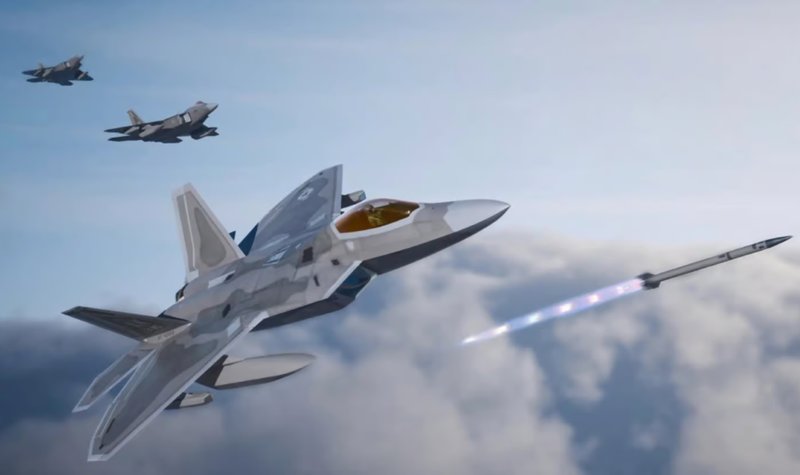
As global air combat operations continue to evolve at a rate not seen for decades, what will the next generation of air-to-air weapons look like, and what missions will they need to fulfil?
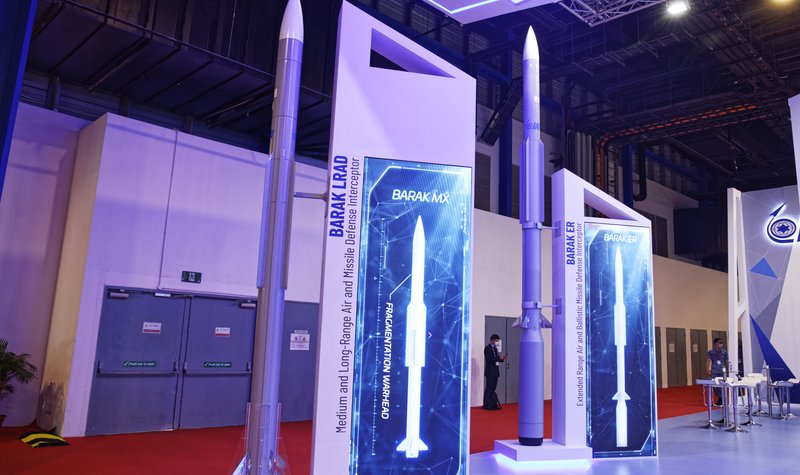
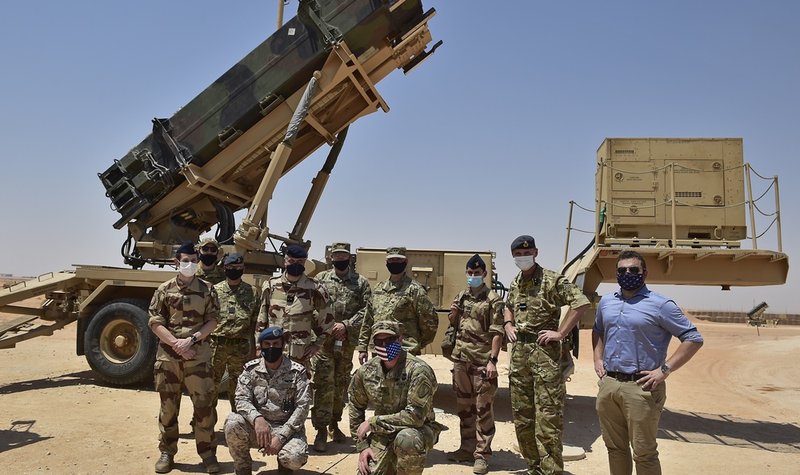
IAI expands on multi-layered approach to integrated air defence using Barak MX missile family, hinting at smart launcher function for better target acquisition; downplays reports of Moroccan acquisition.
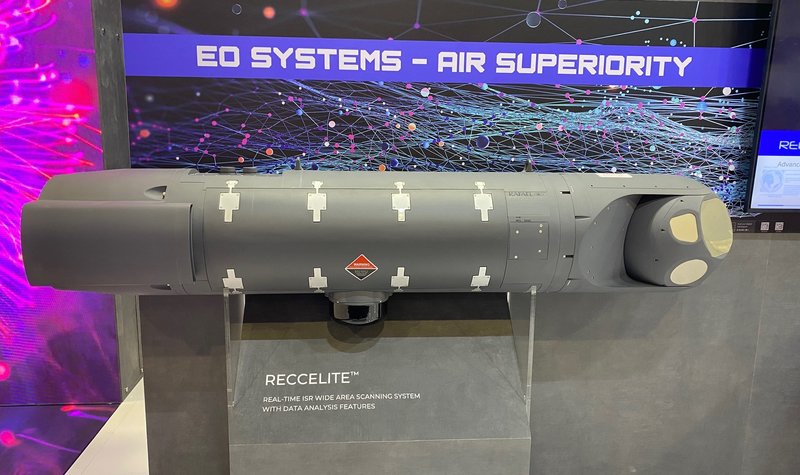
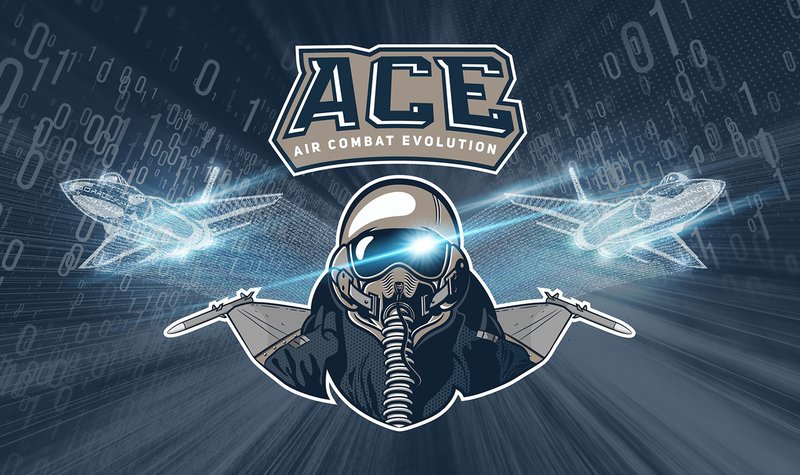
Dynetics has been selected for the ACE programme, which aims to better inform pilots with group-level situational awareness and coordinated targeting responsibility.
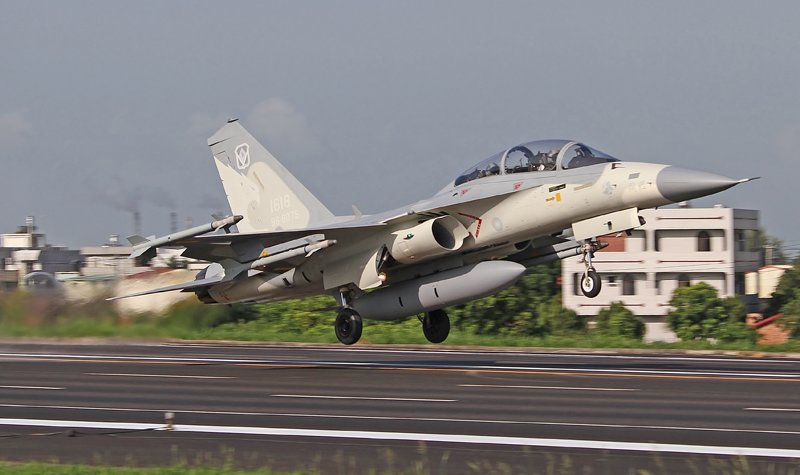
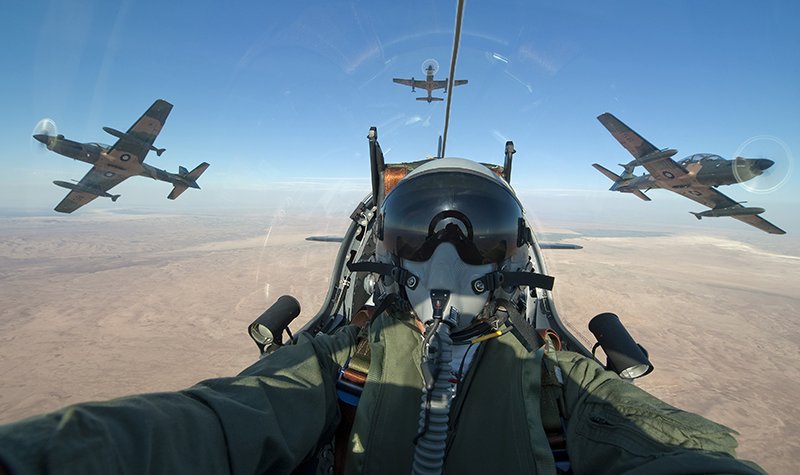
As European militaries look to the future of close air support (CAS) for ground forces, light attack aircraft could prove a low-cost, versatile option, according to industry experts.
The rise in popularity of the TB2 UAV among Russia’s neighbours may be leading the Kremlin to believe a ‘drone circle’ is being drawn around the country.