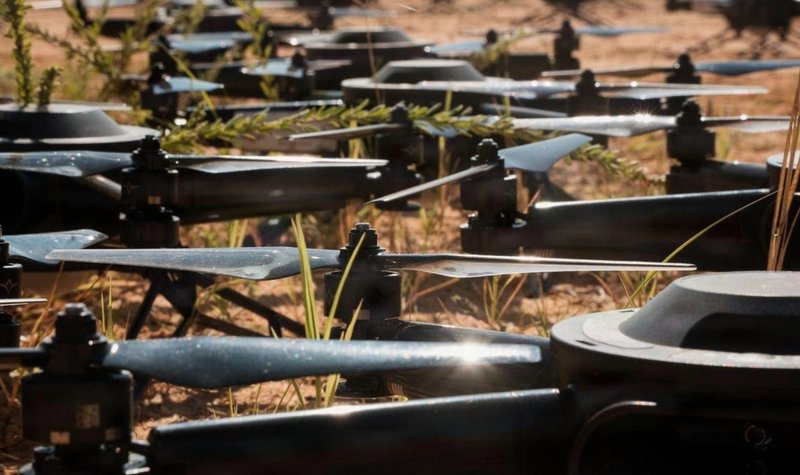
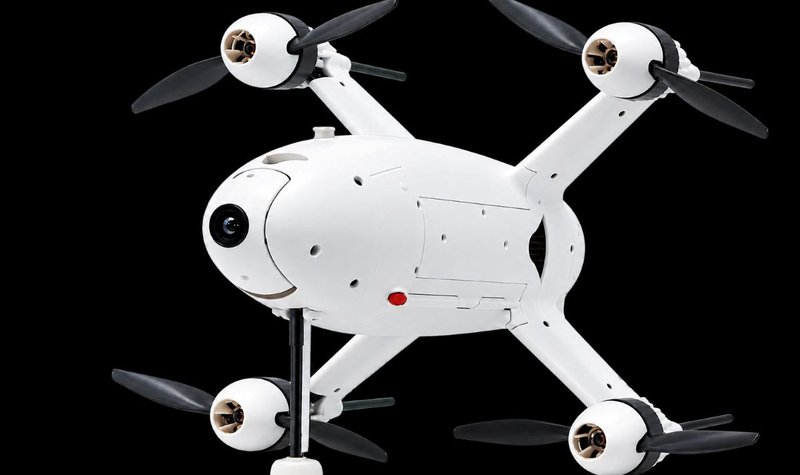
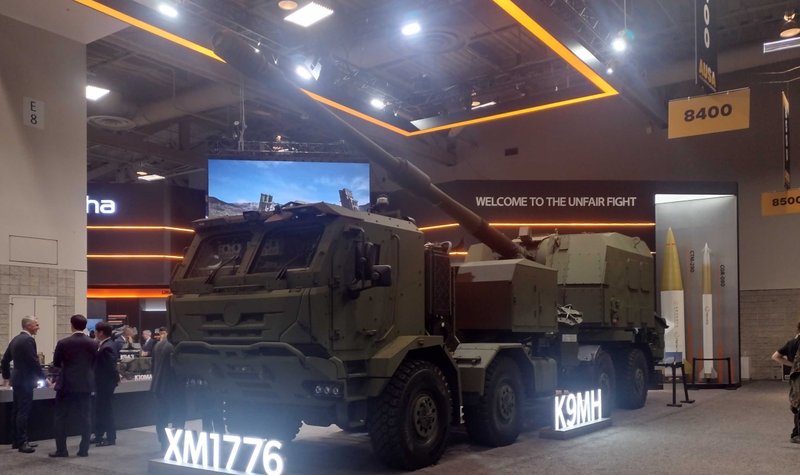
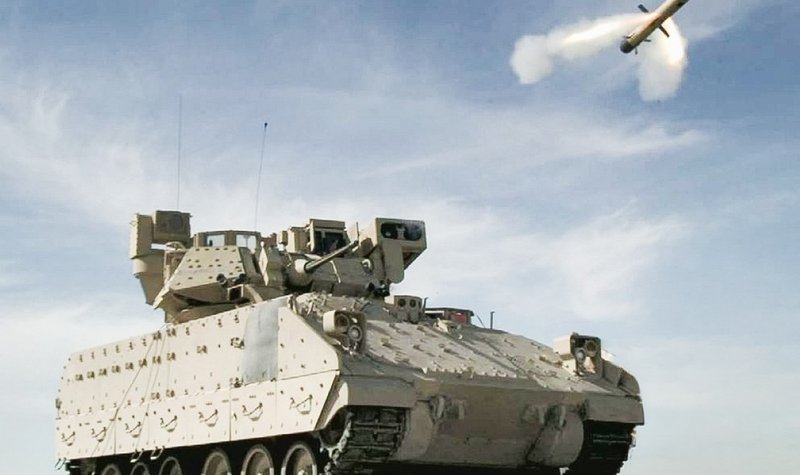
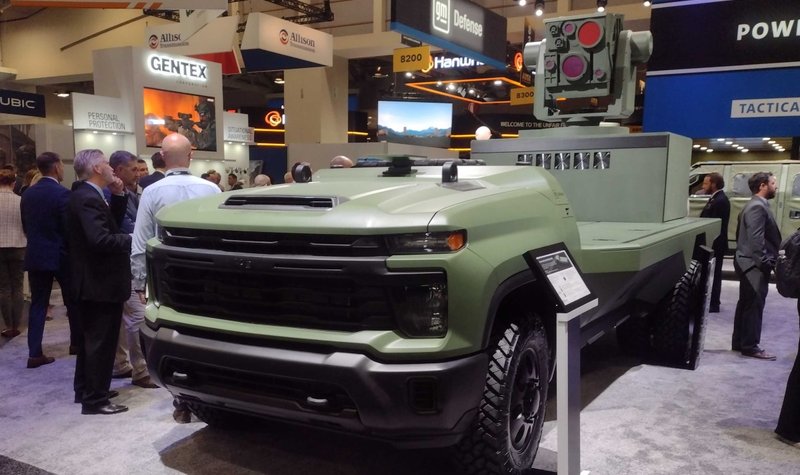
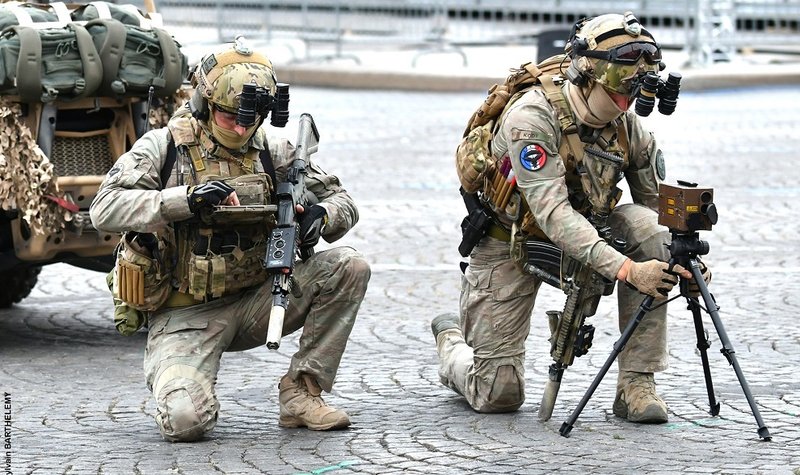
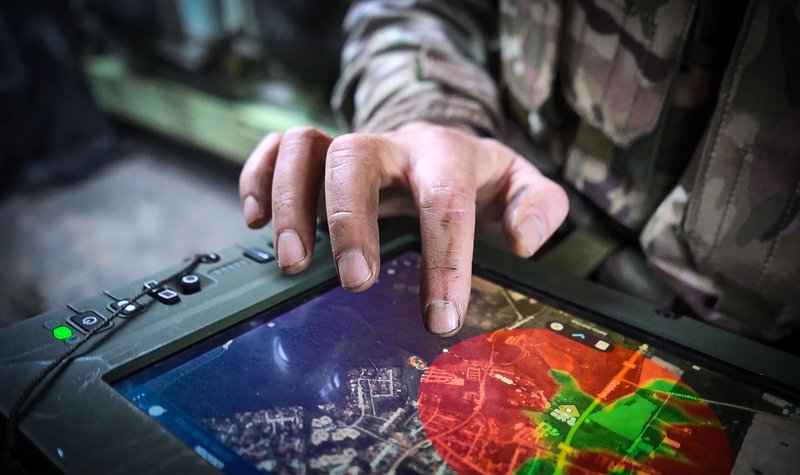
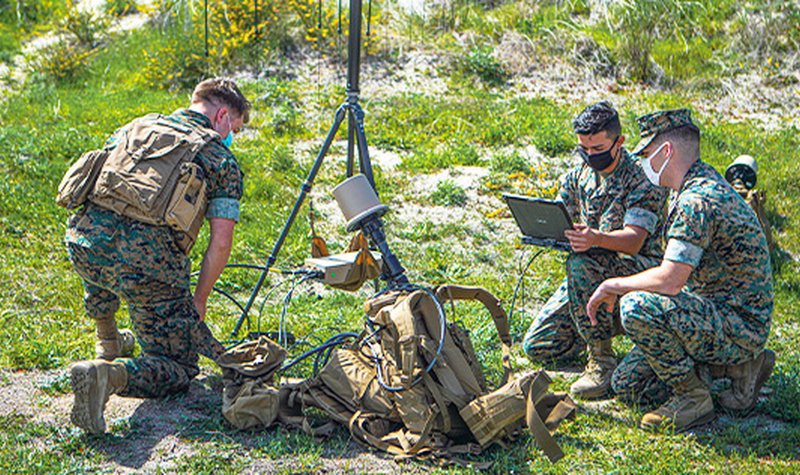
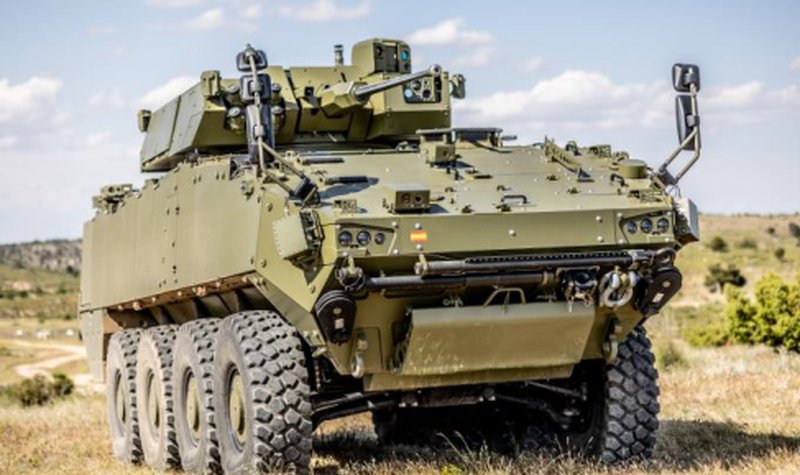
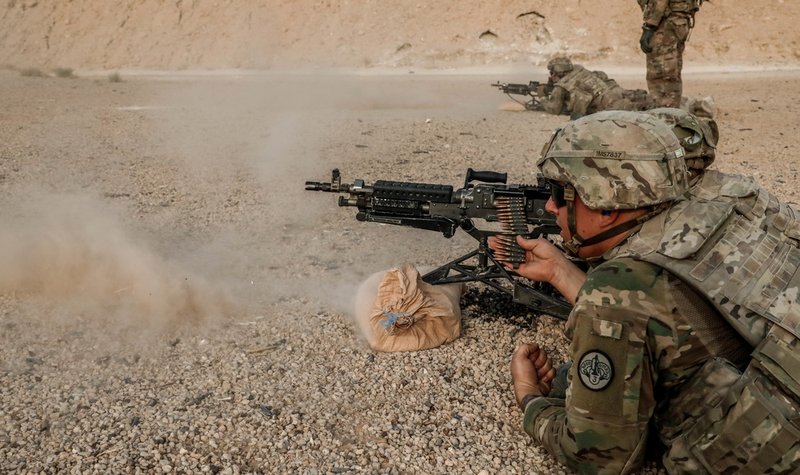
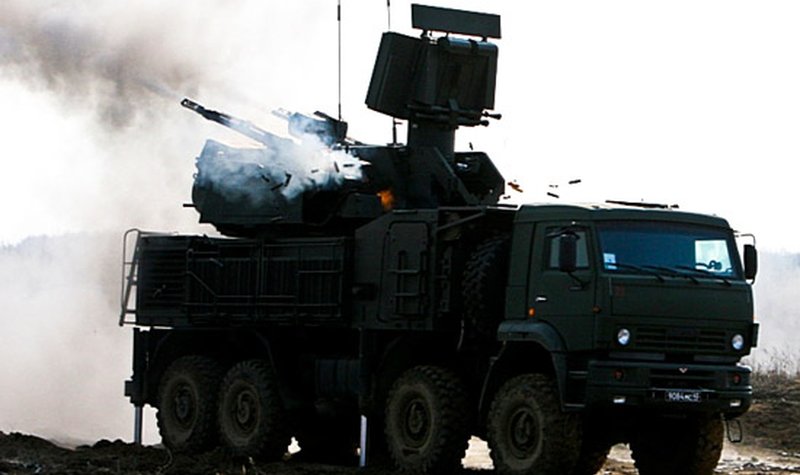
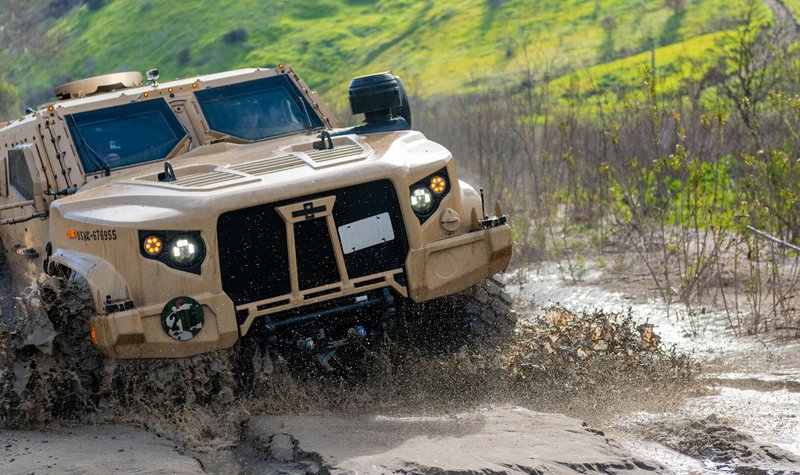
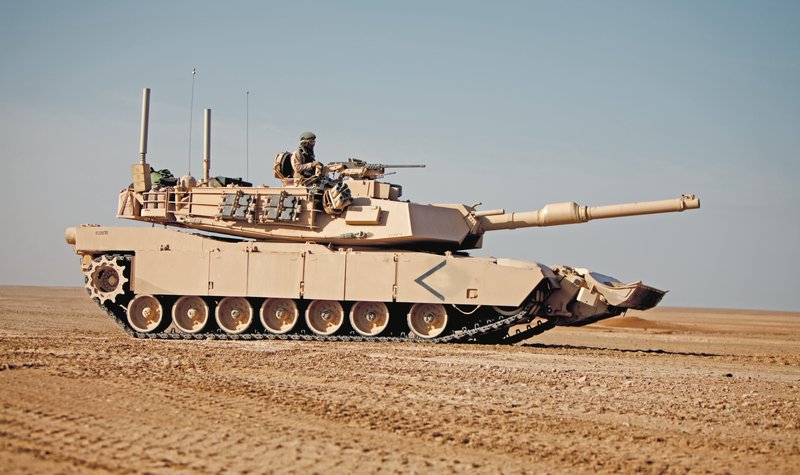
Rather than developing entirely new weapons, defence companies are looking to build on existing weapons and systems to deliver greater capability, control costs and accelerate fielding.
With a production rate of more than 10 million vehicles annually, the US commercial car and vehicle manufacturing base is second only to China. Defence companies are looking at how the vehicles, technology and manufacturing capability can support programmes.
Roman Köhne, CEO of Rheinmetall's Weapon and Ammunition Division, discusses the company's announcements at Eurosatory 2026, including developments in defence technology, precision systems, industrial ...
The Czech Republic is sending more than 4,000 rounds of 152mm ammunition to Ukraine, and Prague is open to holding discussions with Kiev on extending defence cooperation.
The Pearson Engineering approach to providing scalable battlefield mobility, counter-mobility and survivability has evolved. Driven by a need to help combat vehicles such as Main Battle Tanks to defend, move and fight on a battlefield which...