16th July 2021
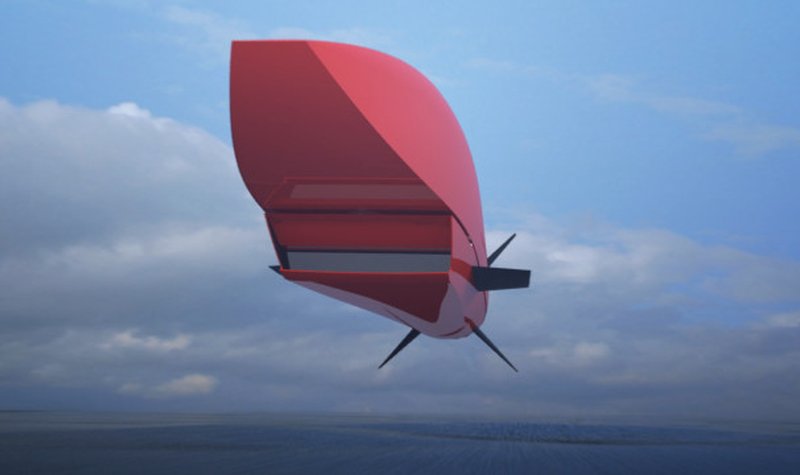
Rheinmetall completes and presents a study for the Bundeswehr’s Future Soldier – Expanded System.
16th July 2021
The Future Cruise/Anti-Ship Weapon (FC/ASW), being developed by MBDA, will equip the RNs City-class Type 26 frigates and RAF Typhoon aircraft.
16th July 2021
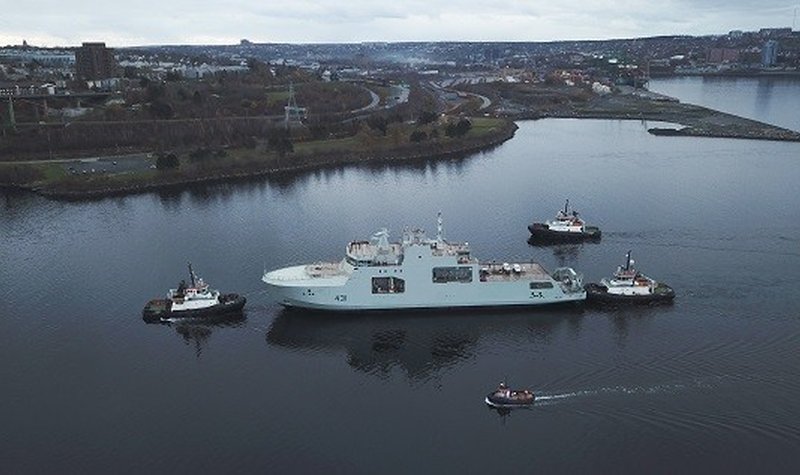
The Harry DeWolf-class Arctic and Offshore Patrol Ships will bolster the Royal Canadian Navy’s presence in the high north.
16th July 2021
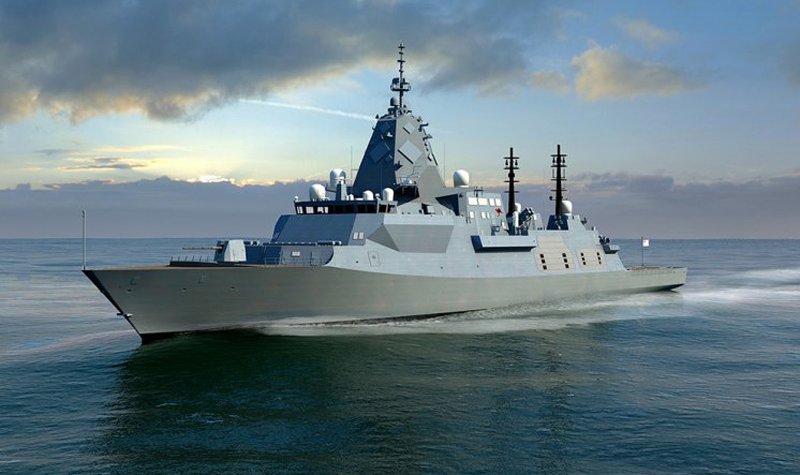
While Australian defence officials have not made any official announcement, it seems the Hunter class is facing sizeable delays.
16th July 2021
Welcome to Episode 28 of the third series of The Weekly Defence Podcast. Listen on Apple Podcasts, Google Podcasts, Spotify and more.
15th July 2021
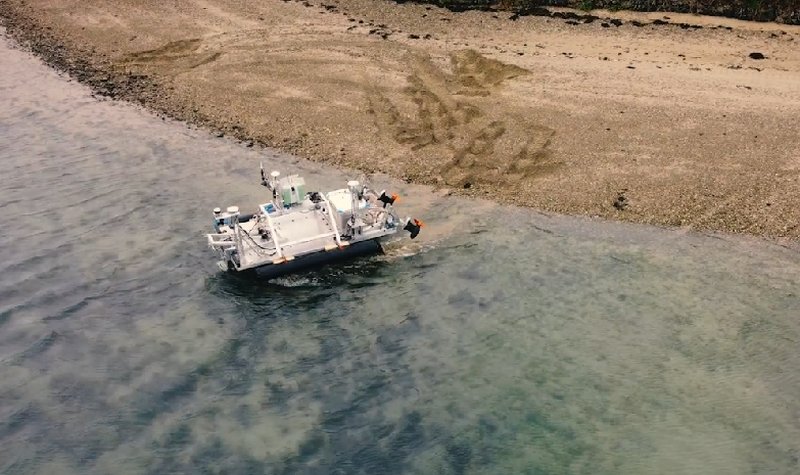
DASA has selected three small and medium-sized businesses to receive £2milion in contracts to help the military cross rivers, streams and bogs.
15th July 2021
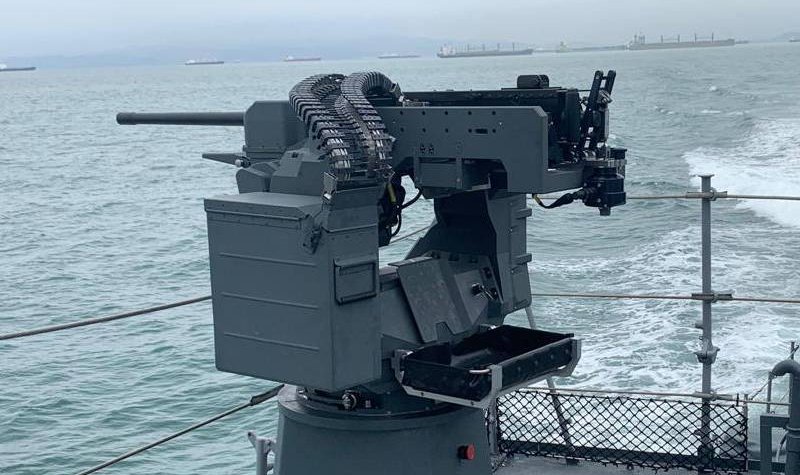
Spain's Escribano has equipped Peru's maritime patrol vessels with its Sentinel 2.0 and Sentinel 30 RWS.
15th July 2021
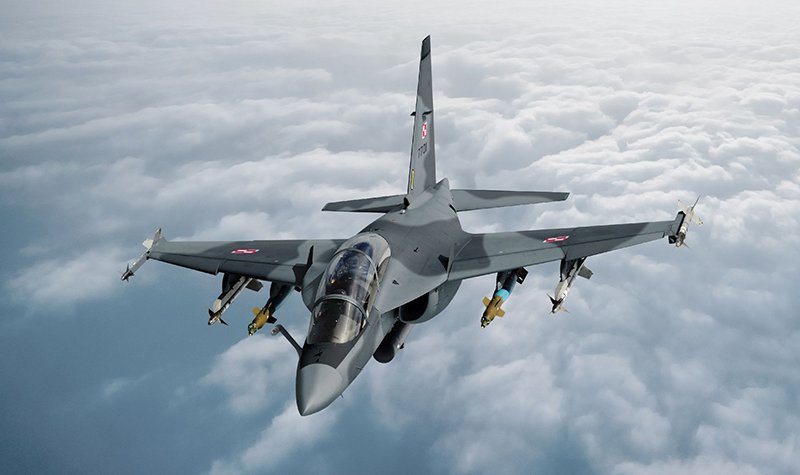
Italian OEM hints at wide industrial and development cooperation potential if the Polish Air Force opts to replace its Su-22 fleet with the M-346FA.
15th July 2021
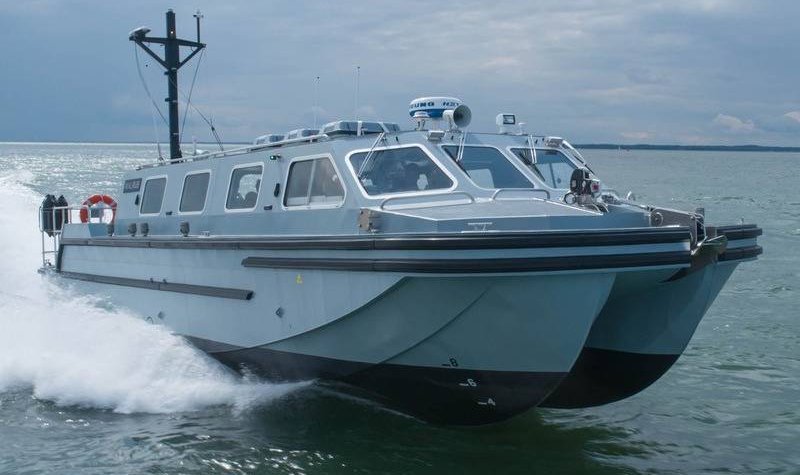
Atlas Elektronik (AEUK) will deliver the Passenger Transfer Boats (PTBs) to the RN for use with the aircraft carrier HMS Prince of Wales.
15th July 2021
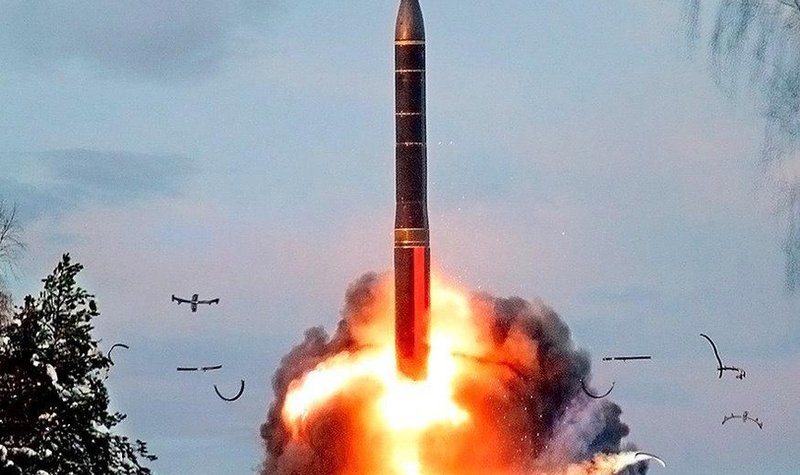
Recent Russian missile tests are believed to involve the 15P182 and Siren-M programmes.
15th July 2021
Asia-Pacific air safety is under the spotlight after two deadly crashes of military aircraft in the Philippines in the past month.
14th July 2021
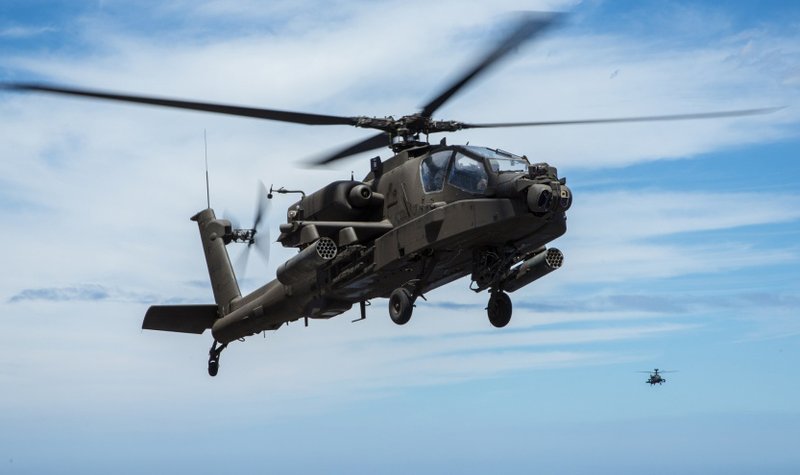
US defence giant Boeing delivered a total of 43 military aircraft in the second quarter of 2021
[[ formatDate(article.publish_start) ]]
[[ article.abstract ]]
[[ loading ? 'Loading...' : 'LOAD MORE' ]]
No more articles to load.