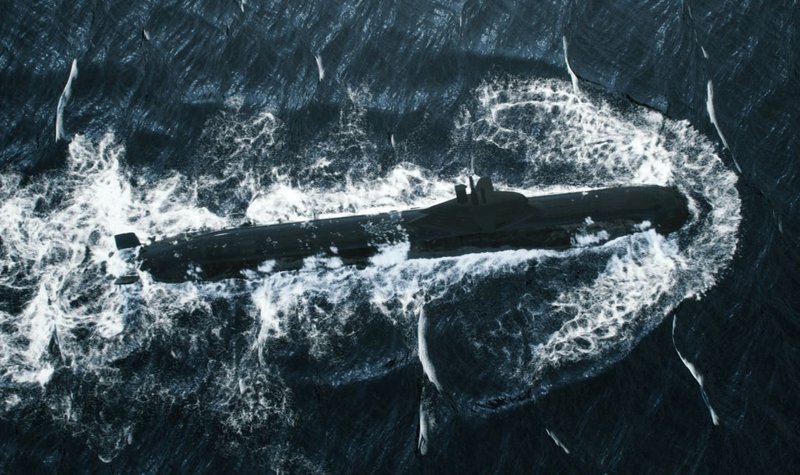
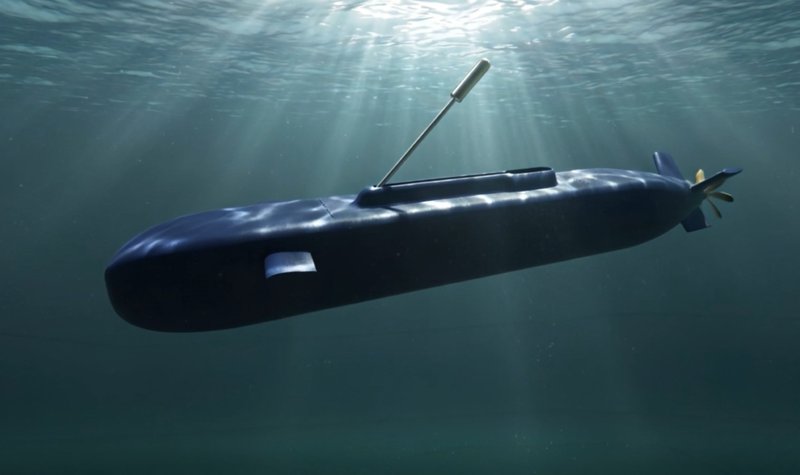
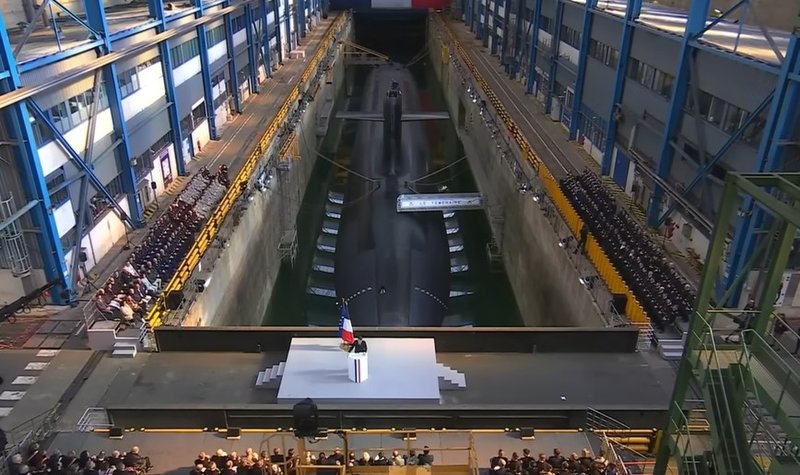
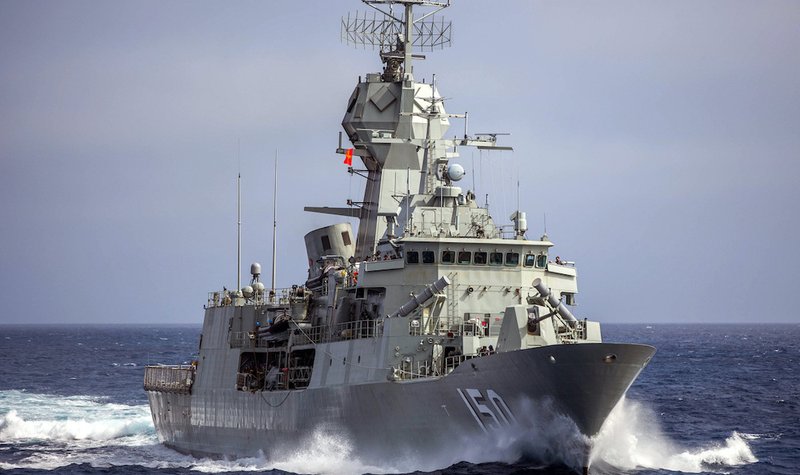
Ahead of Euronaval 2026, major submarine, frigate and aircraft carrier programmes are driving investment, while future corvette replacements and growing interest in uncrewed vessels offer further opportunities for industry into the 2030s and beyond.
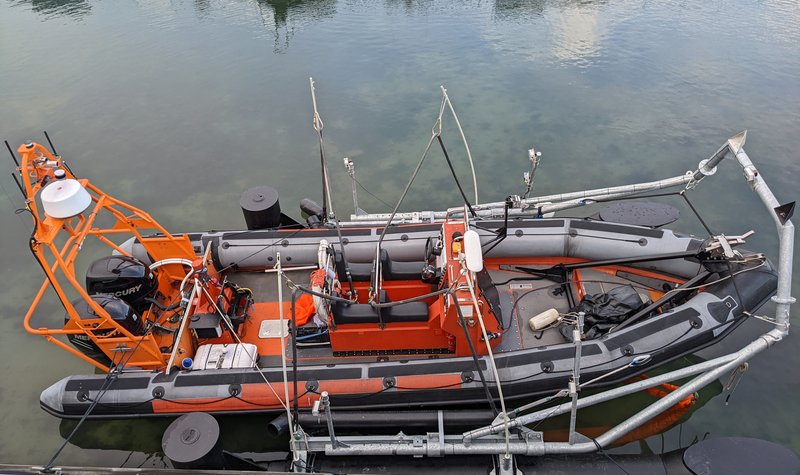
The Canadian Department of National Defence is evaluating communications and reconnaissance changes for CCGS Imnaryuaq’s expanded maritime security role, while retaining its 2032 acceptance target.
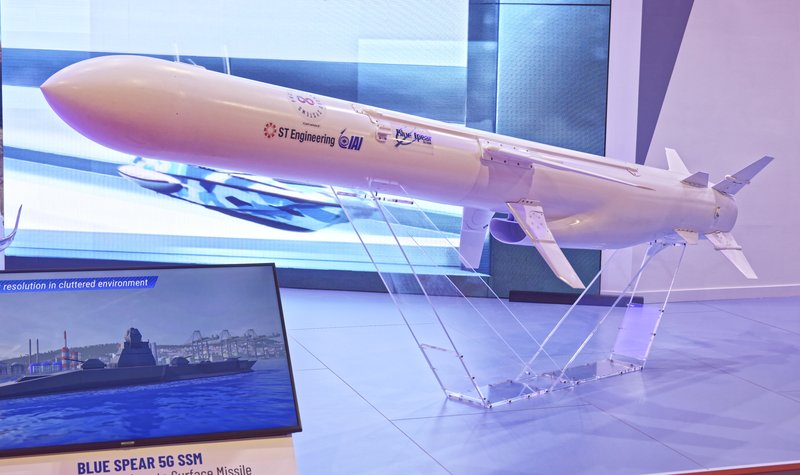
IAI and ST Engineering JV Proteus pitches Blue Spear anti-ship missile as a Harpoon replacement for navies after winning an Estonian coastal defence contract.
There are small differences, but the latest edition of the US Indo-Pacific Strategy carries on a similar trajectory to before, that of countering a belligerent China.
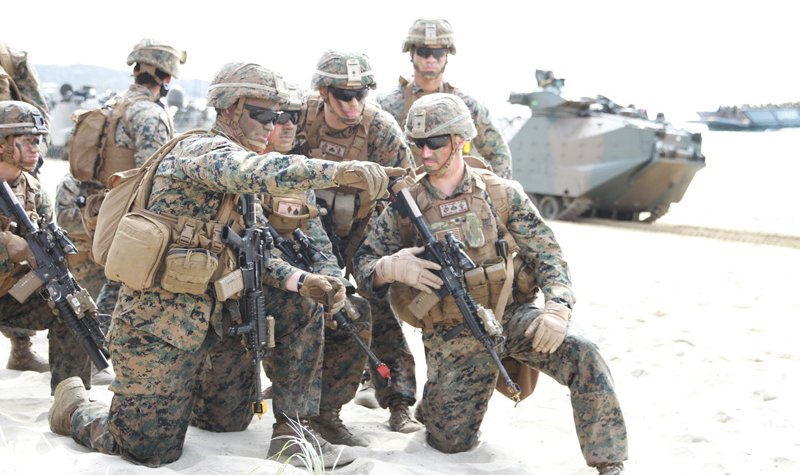
The Five Eyes arrangement has been a lynchpin of military interoperability but with new threats and emerging technologies, is it still fit for purpose?