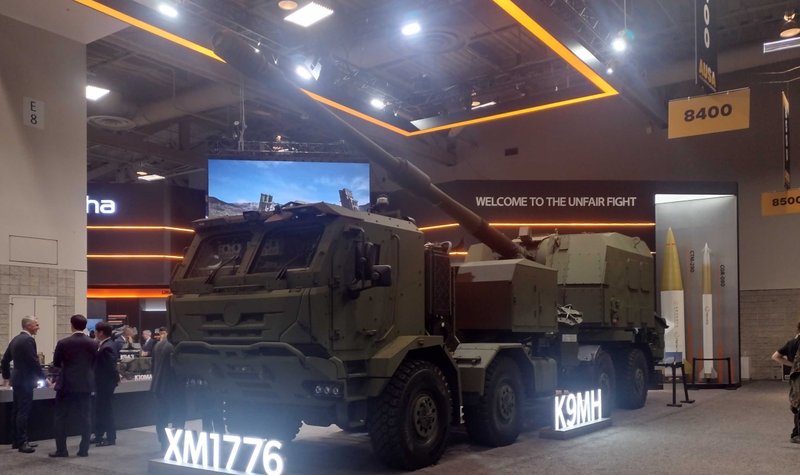
Non-US companies are increasingly looking to establish subsidiary and partnerships to access the potential billions of dollars of vehicle and land systems contracts and there has already been some success.
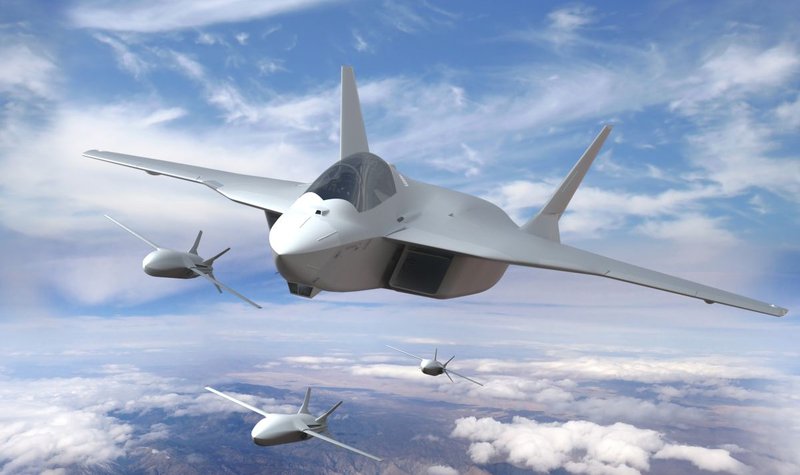
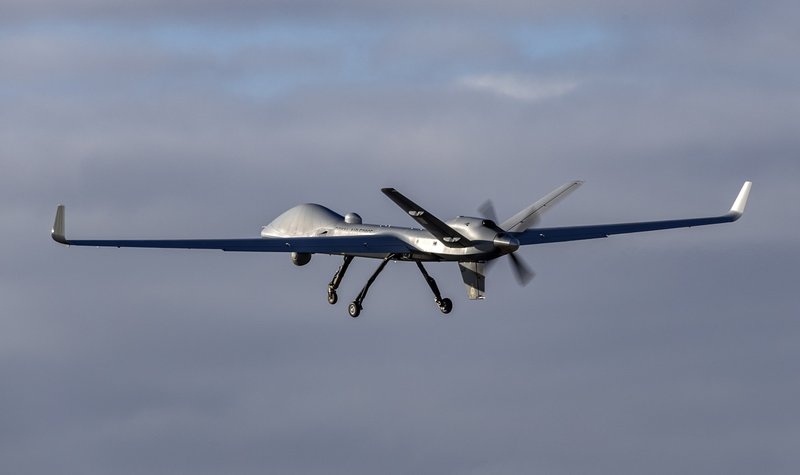
The UK is seeking to extend the operational reach of uncrewed aerial vehicles, reflecting growing demand for compact, energy-efficient technology to support beyond-line-of-sight operations.
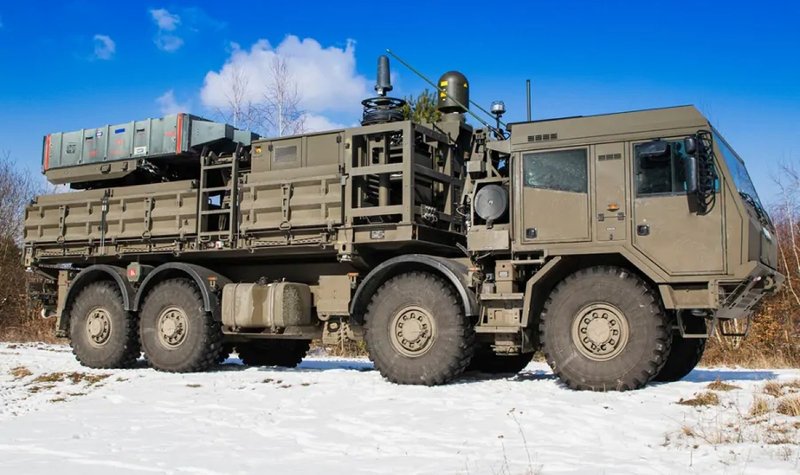
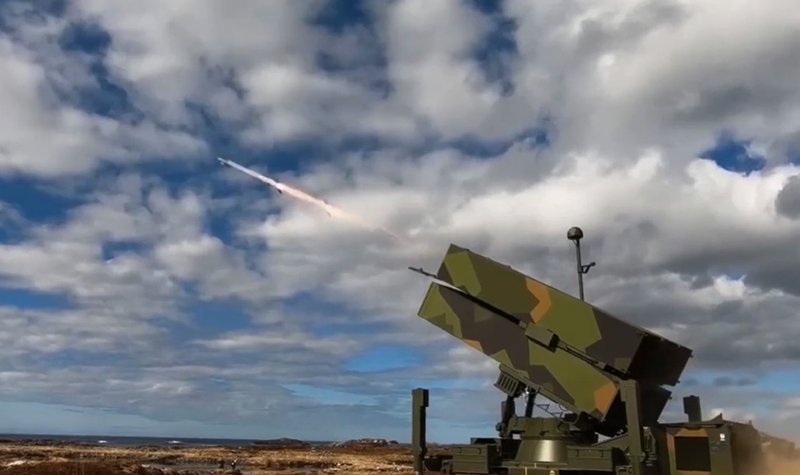
The Czech Armed Forces is set to receive four Israeli-made SPYDER long-range missile defence systems, the first of which was delivered earlier this year. They will be a key part of the country’s multilayered air defence system.
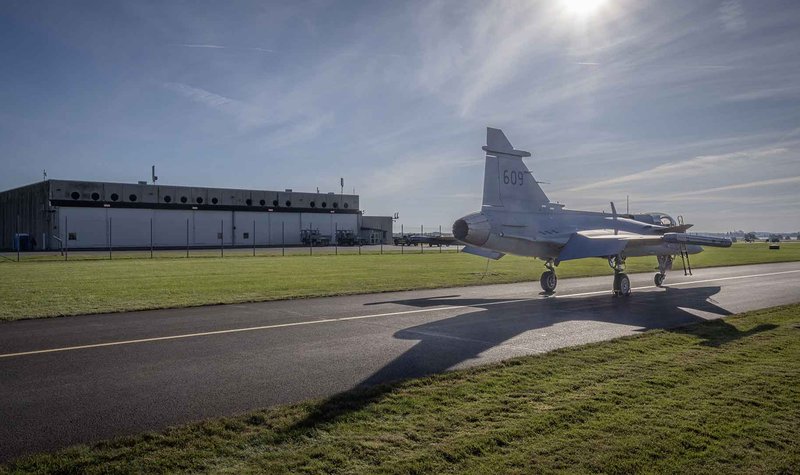
The letter of intent, signed on 22 October, is the first move in a “long road” towards Sweden strengthening the Ukrainian Air Force with up to 150 Gripen aircraft.
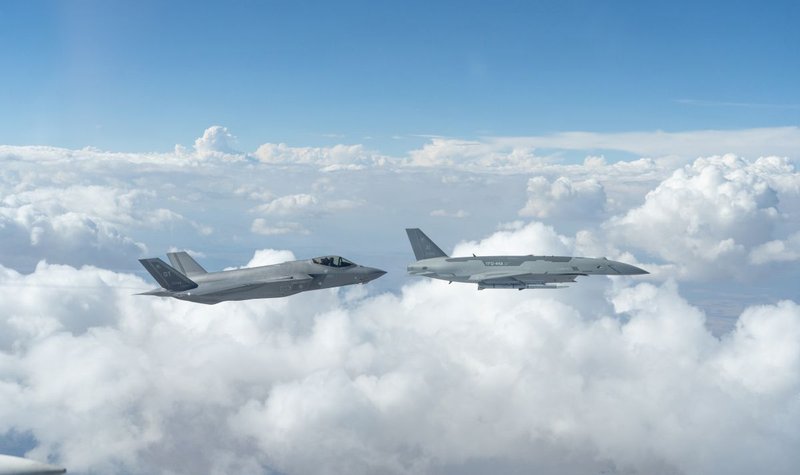
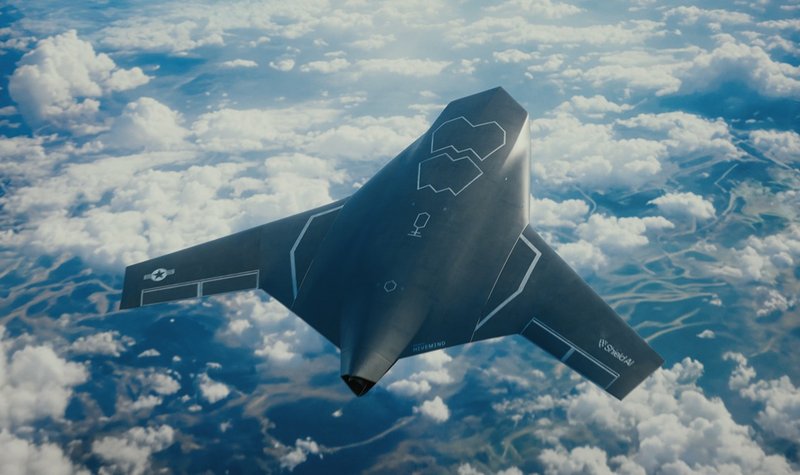
Named X-Bat, the AI-controlled vertical take-off and landing drone is expected to enter production by 2029, with first flight tests estimated to take place a year earlier.
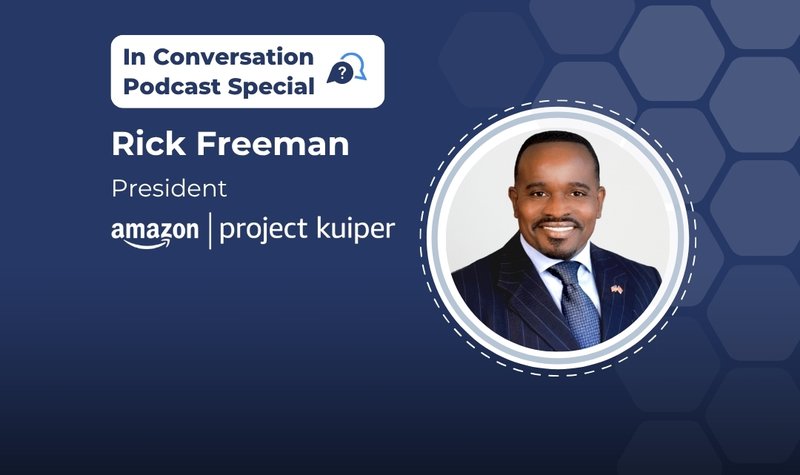
"Speed is the key advantage and accuracy is the key outcome": Amazon Kuiper Government Solutions’ Rick Freeman talks to Shephard’s Georgia Lewis about how space-as-a-service is transforming defence connectivity and access to satellite capab...
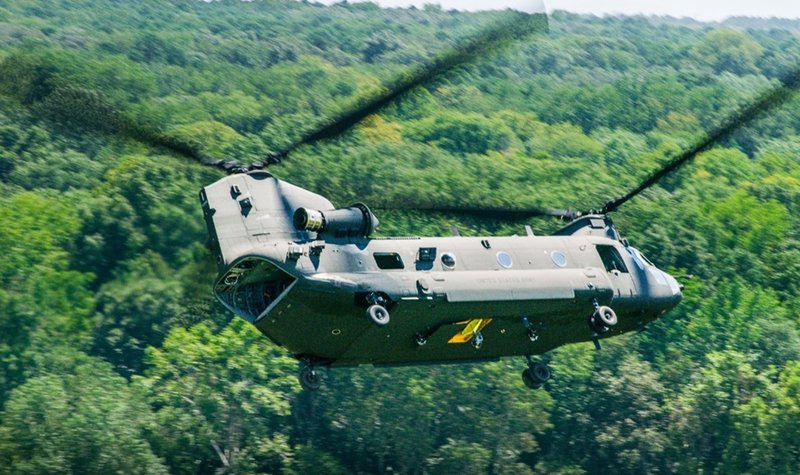
Boeing has delivered six Chinook CH-47F Block II production helicopters to the US Army, with the helicopters now undergoing a series of evaluations to demonstrate their enhanced capabilities. The company is working with the army on a path f...
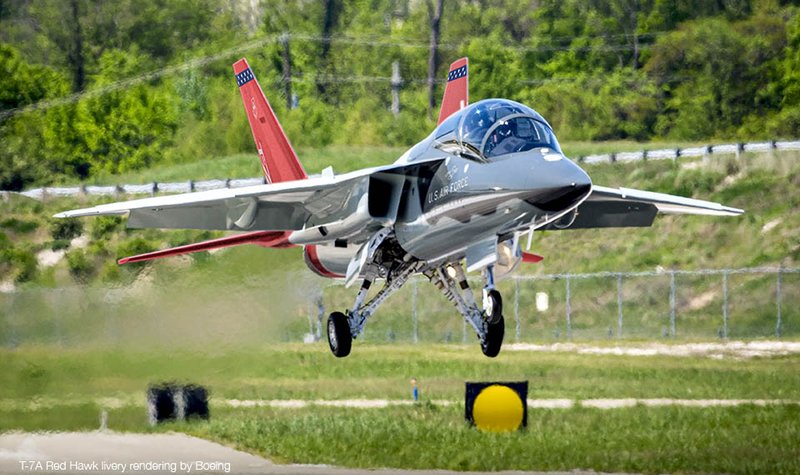
The company is in active discussions with its supply chain to meet any potential near-term UK requirements as it gears up to replace the RAF’s ageing Hawk trainer aircraft.
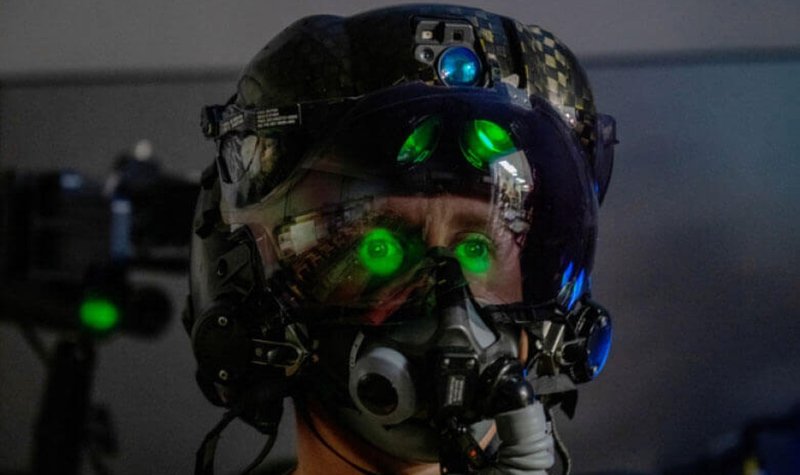
The plan for the new displays follows fresh investment in Kopin’s European facilities by Theon and an order for head-up displays in fielded aircraft, with funding from the US Department of Defense.
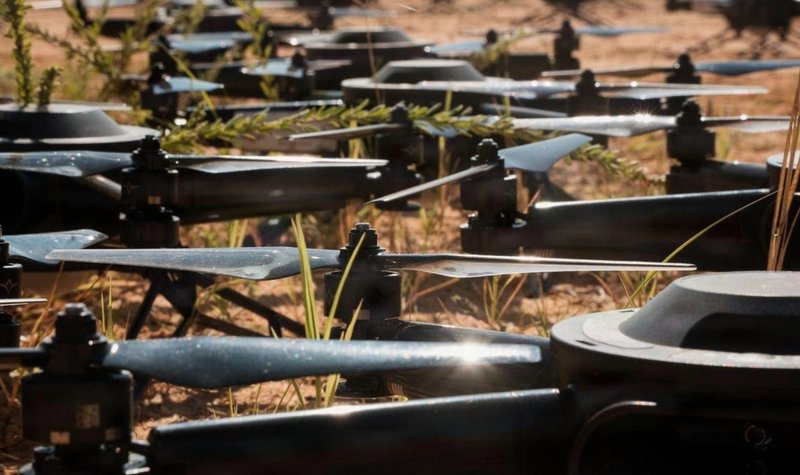
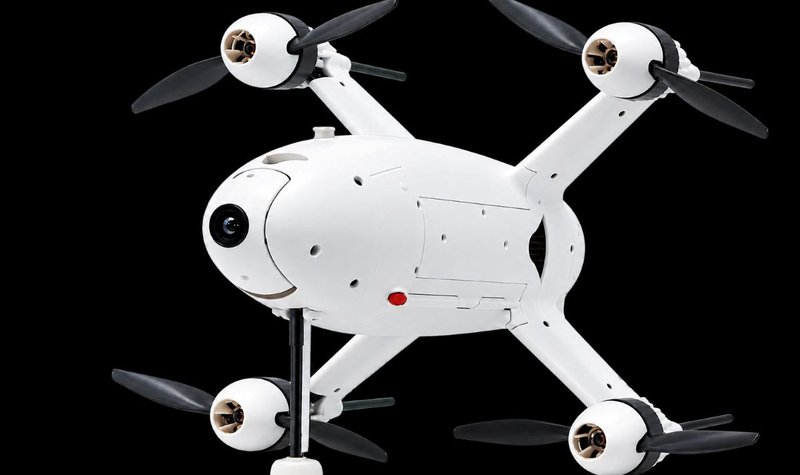
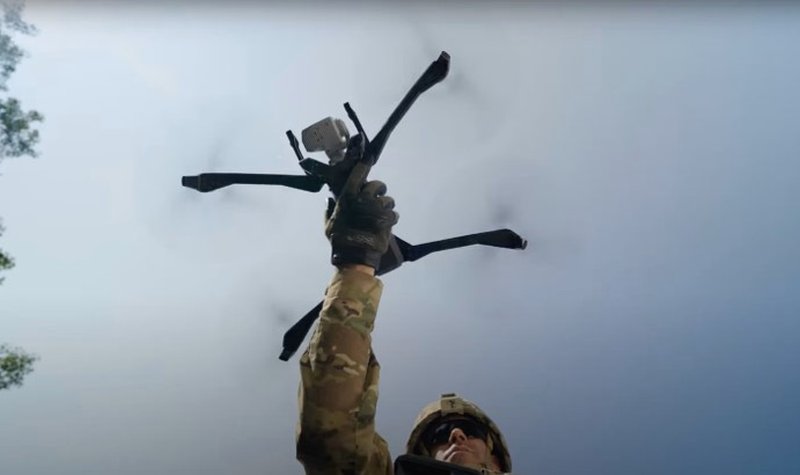
Inclusion on the Defense Innovation Unit’s Blue UAS Cleared List is set to become ever more crucial for uncrewed aerial vehicle manufacturers due to the access it gives to the US market, which is set to expand significantly over the next 10...