US Air Force seeks capabilities to improve C3 for aircraft fleet and warfighters
A B-1B refuels with a KC-135 while on a nighttime mission during Operation Epic Fury. (Photo: US Air Force)
The USAF published RFIs for enhancing its C3 capabilities after losing, in Operation Epic Fury, four aircraft in non-confrontational, unclear situations that could have been related to command, control and communication failures.


The US Air Force (USAF) published three RFIs to identify solutions, systems and technologies to improve battle management and C3 for its airmen and aircraft fleet. The capabilities aim to support better coordination of joint aerial operations, both for assets and personnel.
Coincidentally, the market research notices were issued last week after the US recorded the loss of three F-15 multirole fighters and one KC-135 Stratotanker refuelling tanker in what the US claimed were non-hostile, unclear circumstances during Operation Epic Fury. Both incidents raised questions about the effectiveness of command, control and communication sensors in an open war environment.
The branch
Our news & analysis is now part of Defence Insight®
A Basic-level or higher Defence Insight subscription is now required to view this content.



More from Air Warfare
-
![Oshkosh and Grid Aero tie-up tests new model for scaling military UAS production]()
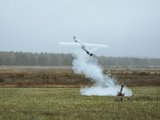
Oshkosh and Grid Aero tie-up tests new model for scaling military UAS production
By combining established manufacturing capacity with startup aircraft design, the partnership could offer an alternative approach to scaling military uncrewed aircraft production.
-
![European funding and NATO interoperability could shape Polish helicopter plans]()
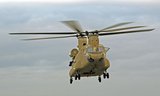
European funding and NATO interoperability could shape Polish helicopter plans
Poland is seeking to update its transport helicopters as part of a wider military aviation modernisation programme, with EU funding requirements and NATO interoperability key considerations.
-
![Poland air focus: $8.27 billion UAV market highlights value of long-term supplier relationships]()
Poland air focus: $8.27 billion UAV market highlights value of long-term supplier relationships
Poland’s growing investment in UAVs highlights how recurring procurement contracts and continuous technological development can provide suppliers with sustained opportunities beyond initial acquisitions.
-
![October crewed air review: Israel’s Apache deal bets on crewed aviation in an uncrewed age]()
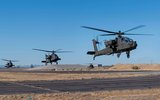
October crewed air review: Israel’s Apache deal bets on crewed aviation in an uncrewed age
Israel’s $1 billion Apache helicopter order highlights the continued demand for crewed attack aviation, while growing integration with uncrewed systems could shape future modernisation and procurement decisions.