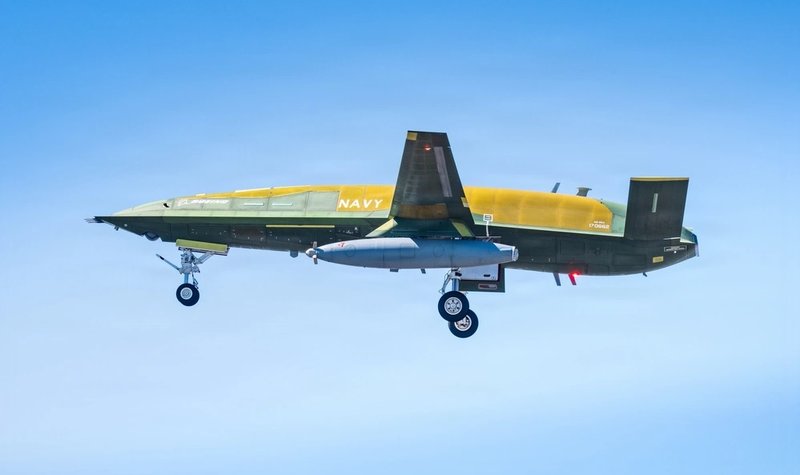
Boeing has outlined its upcoming precision-landing and carrier-airspace trials as MQ-25 manufacturing shifts towards Illinois, with initial Lot 1 deliveries expected in 2029.
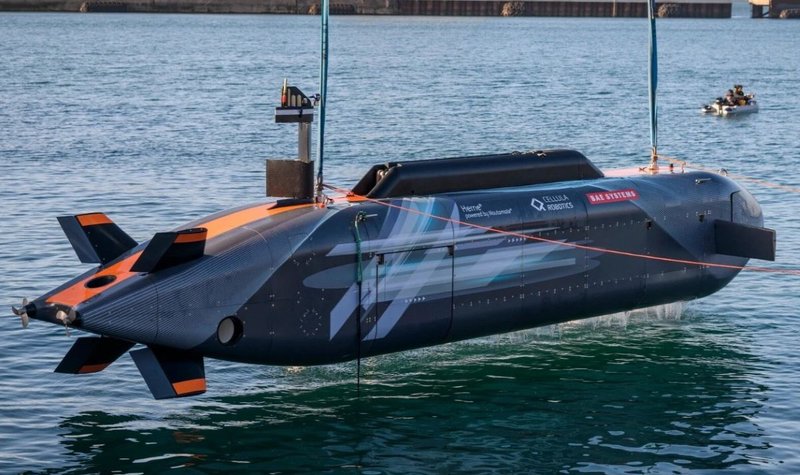
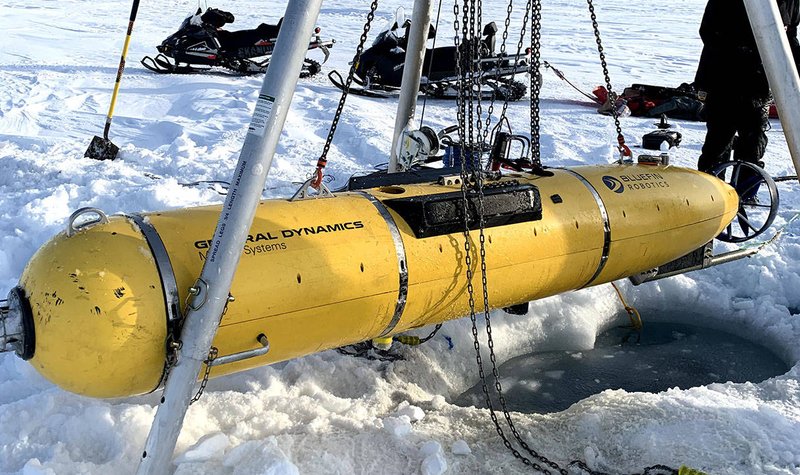
The changing Arctic environment is creating new challenges for submarine detection, driving demand for distributed sensors, uncrewed underwater vehicles and real-time acoustic modelling.
A wave of acquisitions is bringing specialist autonomy and underwater technology under the umbrella of larger defence contractors. As a result, navies may gain faster access to capability, but not necessarily a broader choice of suppliers.
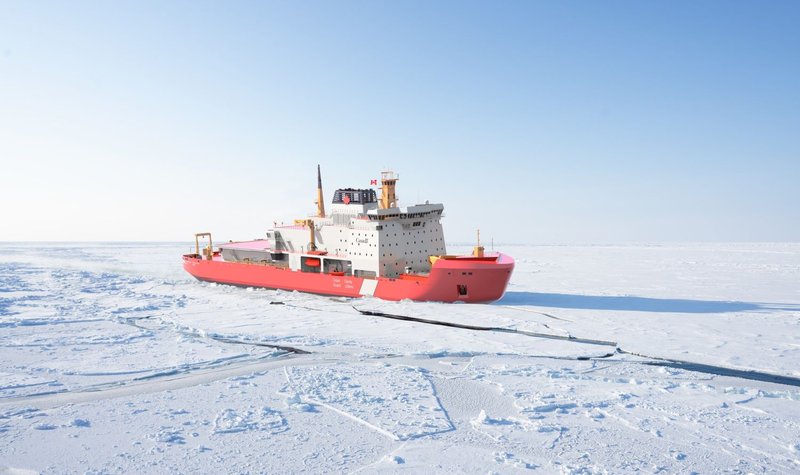
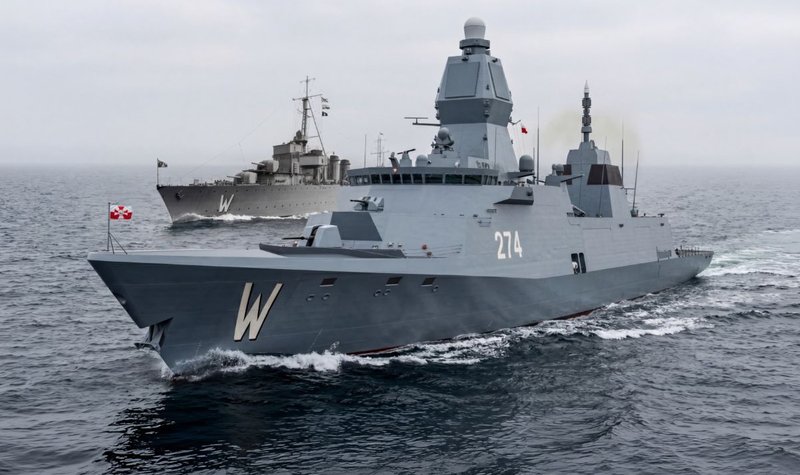
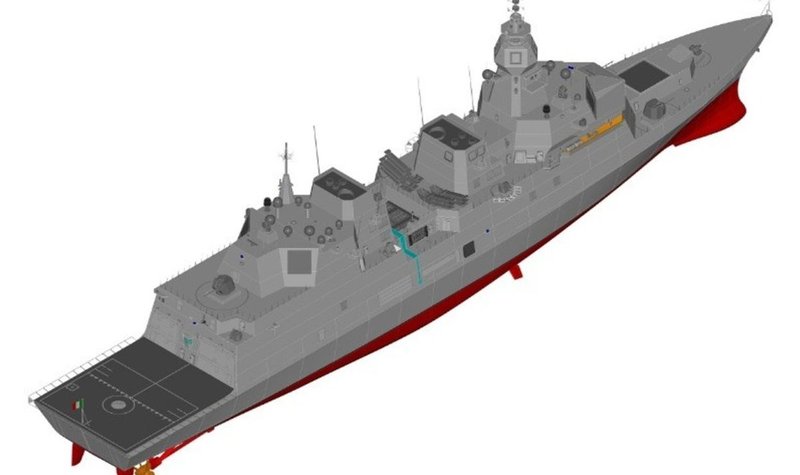
A €3.7 billion destroyer contract for Fincantieri and Leonardo is only the start, with submarines, corvettes and a new carrier pointing to more opportunities.
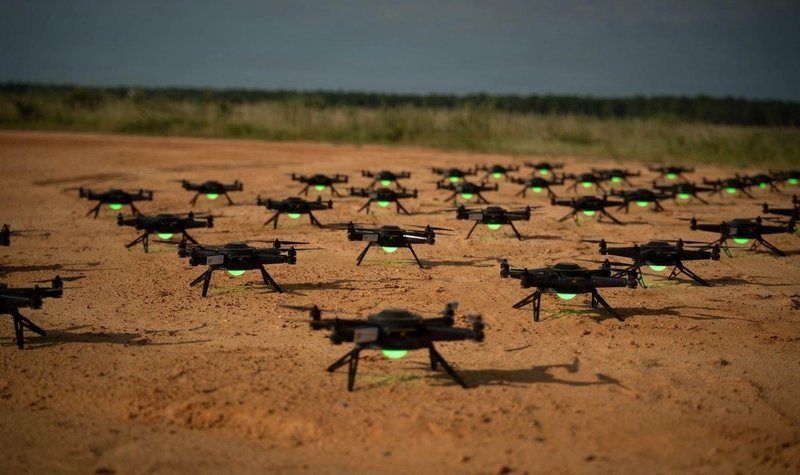
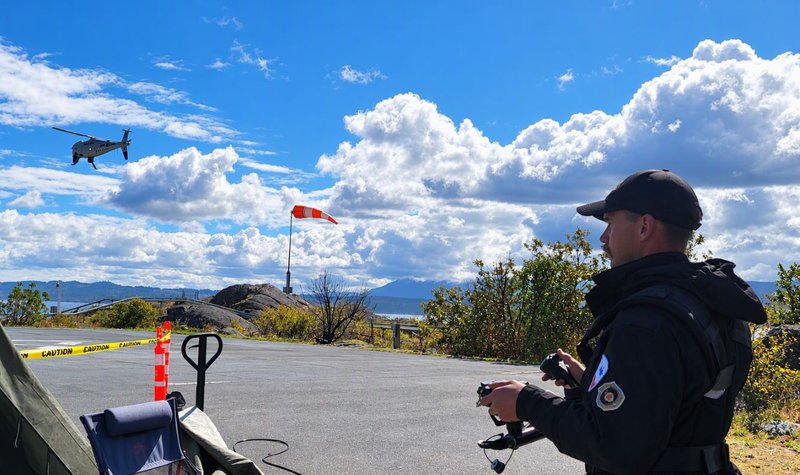
US Air Force, Army, Marine Corps and Special Operations Command initiatives signal demand for interoperable uncrewed systems control, creating opportunities for suppliers of hardware, software and integration services.
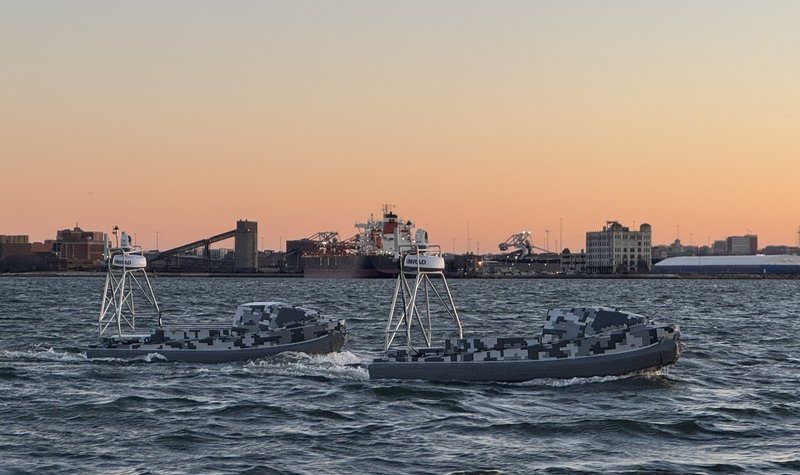
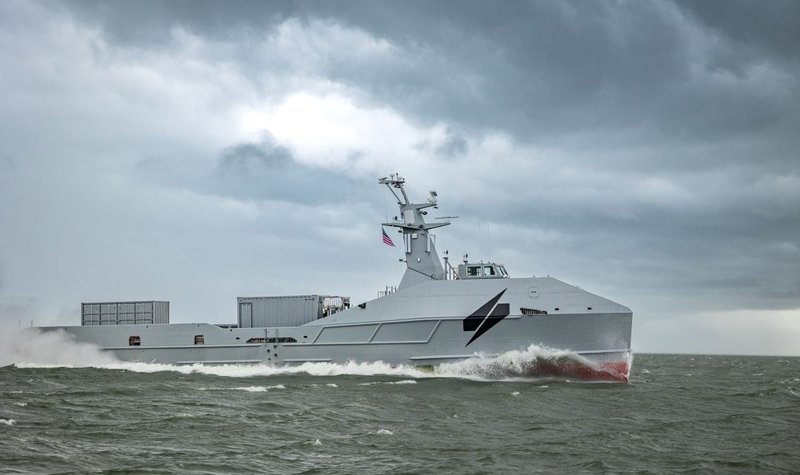
HII, Saronic and Galliano Marine Services have won US Navy production contracts to supply medium uncrewed surface vessels. The marketplace approach behind them sets the bar for suppliers eyeing allied navy competitions.
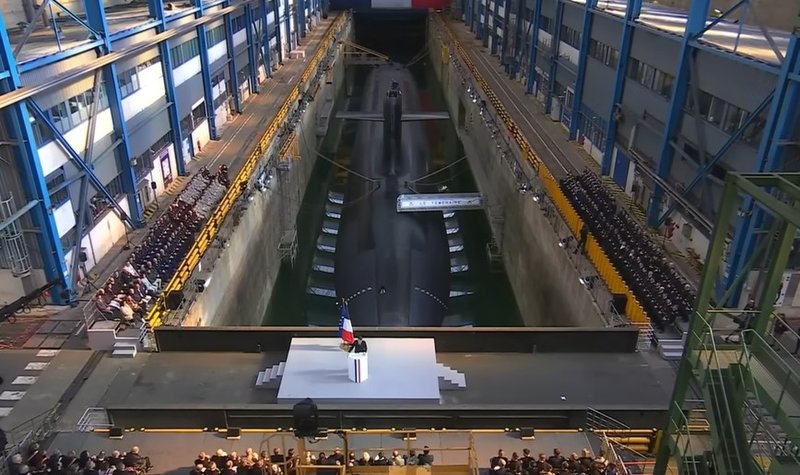
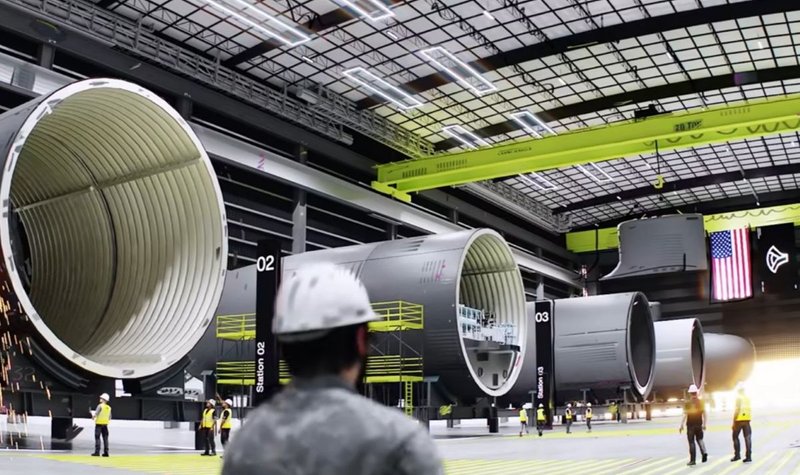
Anduril’s Arsenal-2 is a gamble on a brand-new yard and perfect timing, but with Virginia-class output stuck at 1.1 to 1.2 boats a year, it is a bet worth making.
In Conversation… The geopolitical landscape is increasingly uncertain, with the UK and its allies confronting the most unpredictable international environment for decades. To adapt, defence readiness must begin long before assets reach the ...
Syos Aerospace will channel its first outside capital into research, production and overseas reach as navies seek jam-resistant, integrated uncrewed fleets.
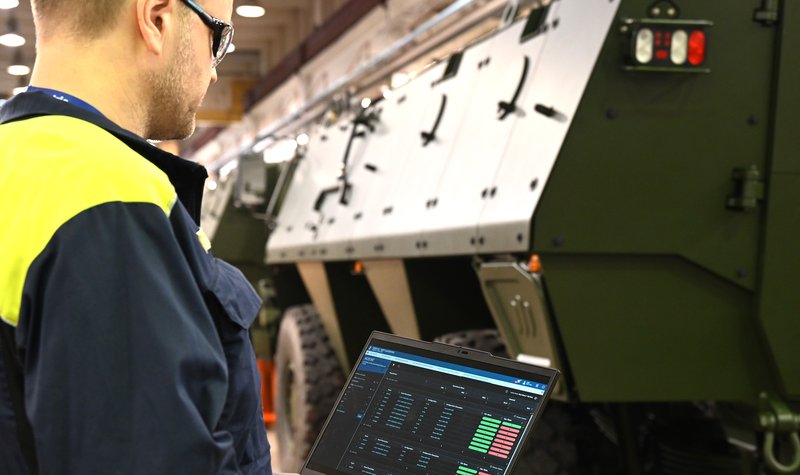
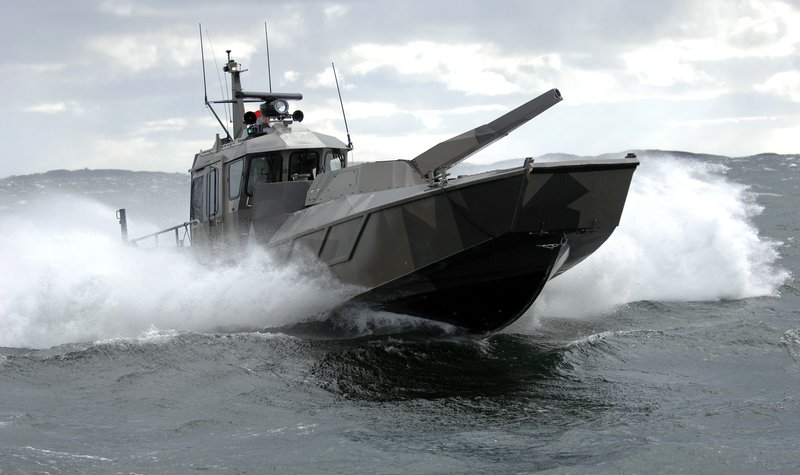
The Patria NEMO Navy mortar system marks a revolutionary advance in maritime defence technology, offering unparalleled benefits to customers who demand performance, adaptability and safety in their naval operations.
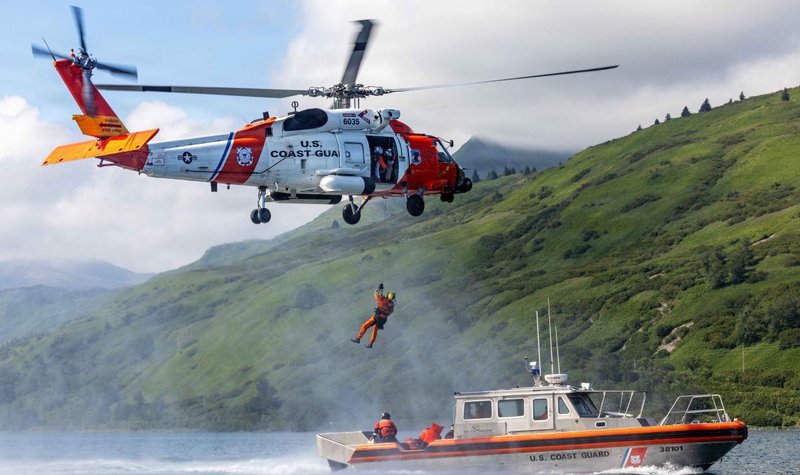
The service is updating several parts of its aviation fleet including fixed-wing and rotary-wing aircraft and procuring uncrewed aircraft to boost its maritime surveillance.
The Royal Canadian Navy’s CU179 Peregrine will undergo Halifax-class frigate trials in 2027 ahead of initial operational capability in 2028, while River-class destroyer integration arrangements remain undefined.