Ahead of Euronaval 2026, major submarine, frigate and aircraft carrier programmes are driving investment, while future corvette replacements and growing interest in uncrewed vessels offer further opportunities for industry into the 2030s and beyond.
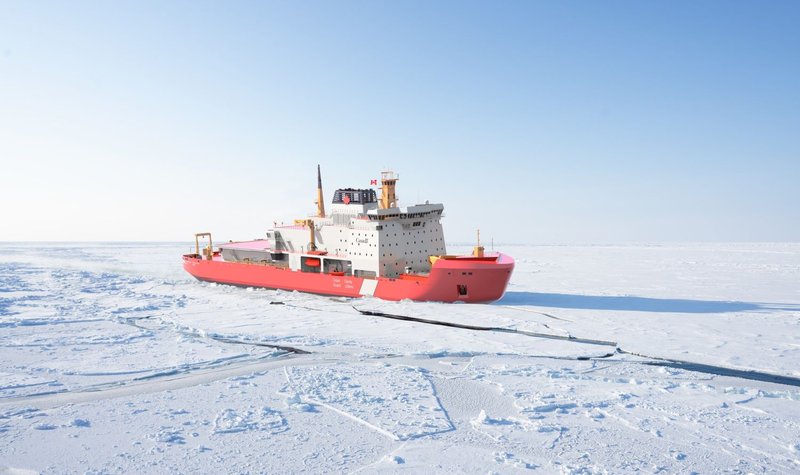
The Canadian Department of National Defence is evaluating communications and reconnaissance changes for CCGS Imnaryuaq’s expanded maritime security role, while retaining its 2032 acceptance target.
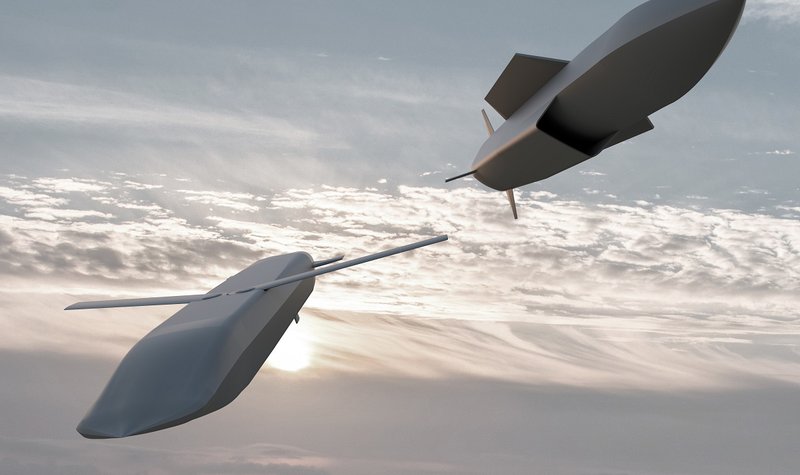
Lethality was a key topic during the First Sea Lord's Sea Power Conference, with UK Armed Forces Minister James Heappey saying he wanted to see the RN lead the way in the field.
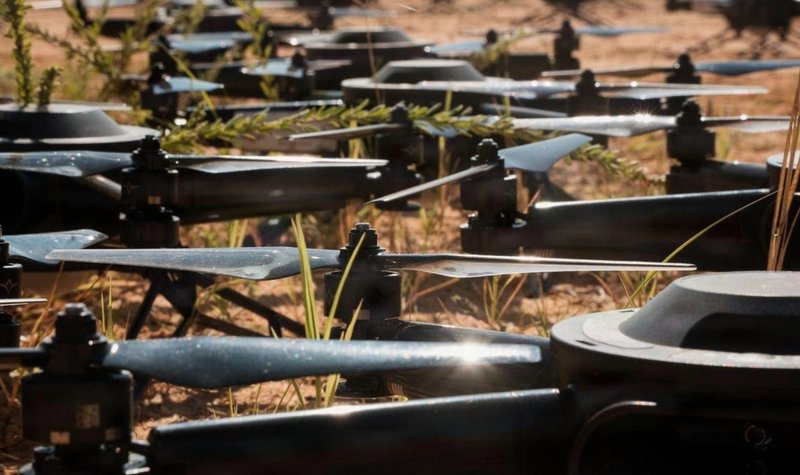
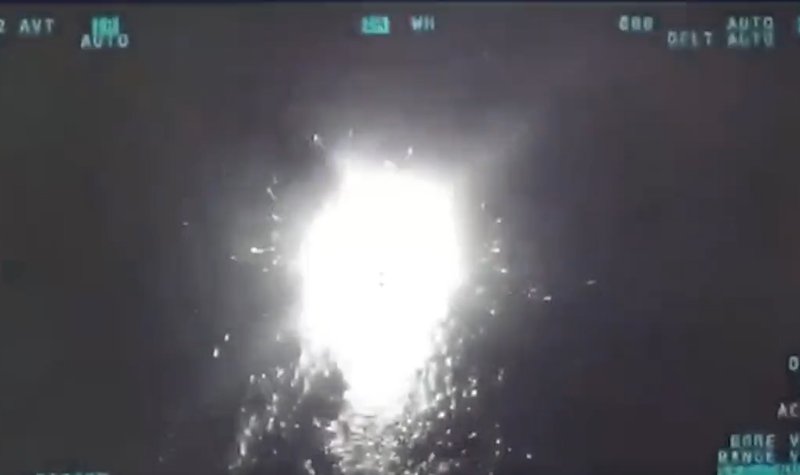
Attacks by Ukrainian Baykar Bayraktar TB2 UAVs on Russian patrol boats in the Black Sea could mark the first successful neutralisation of naval vessels by an uncrewed system.
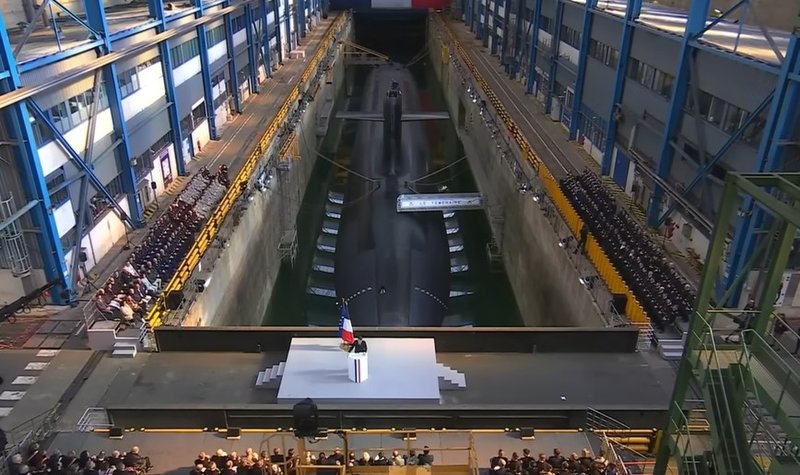
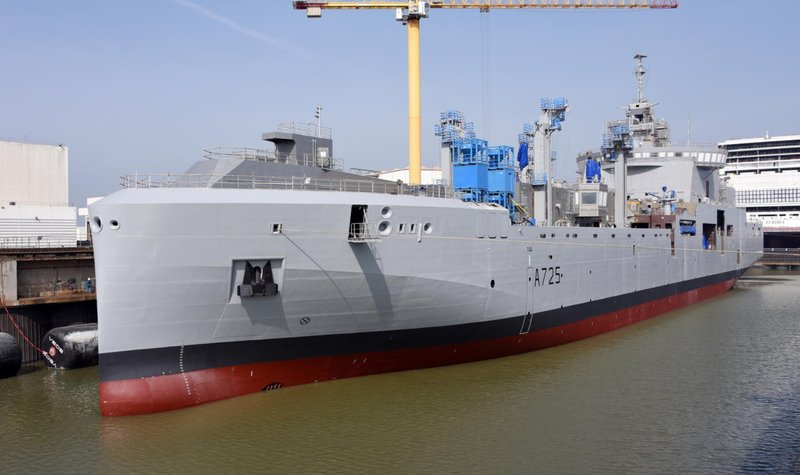
Progress on the support ship Jacques Chevallier marks an important milestone for France's FLOTLOG programme and paves the way for future collaboration on the country's future aircraft carrier.