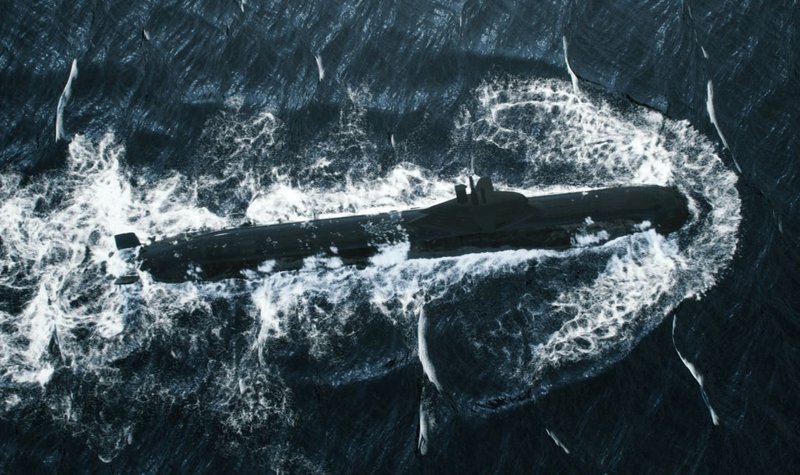
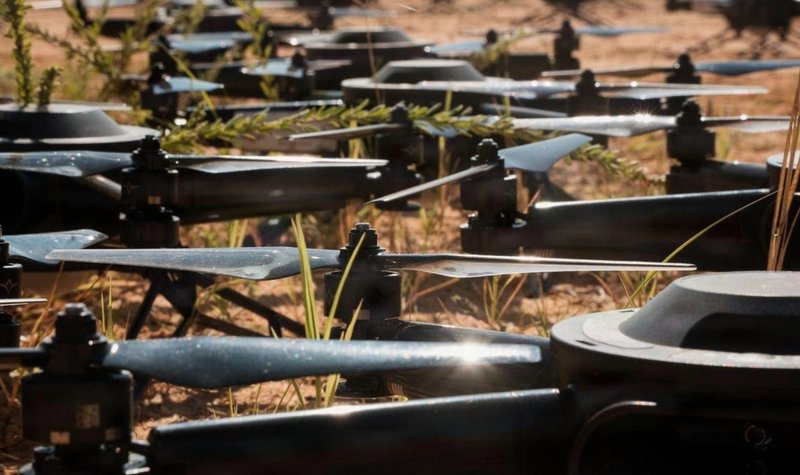
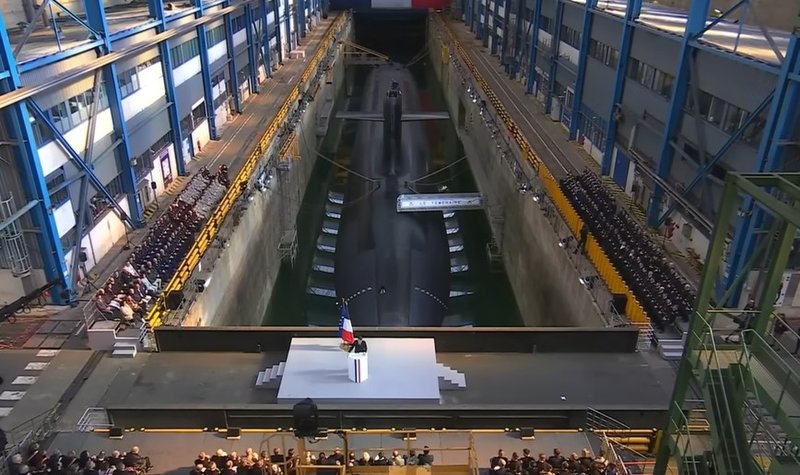
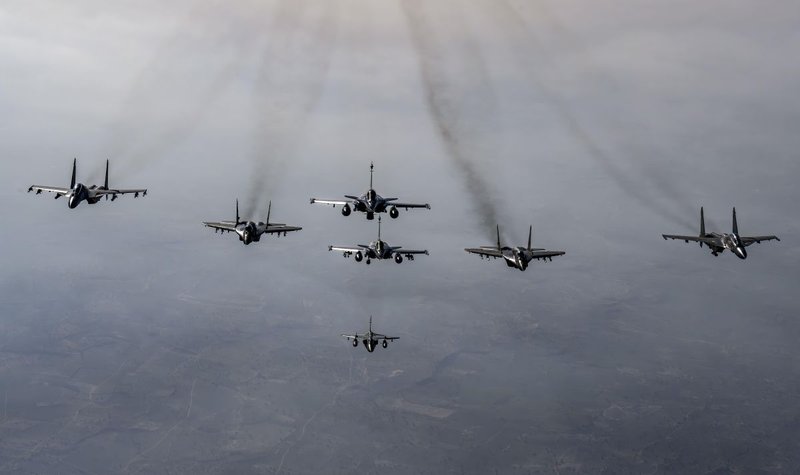
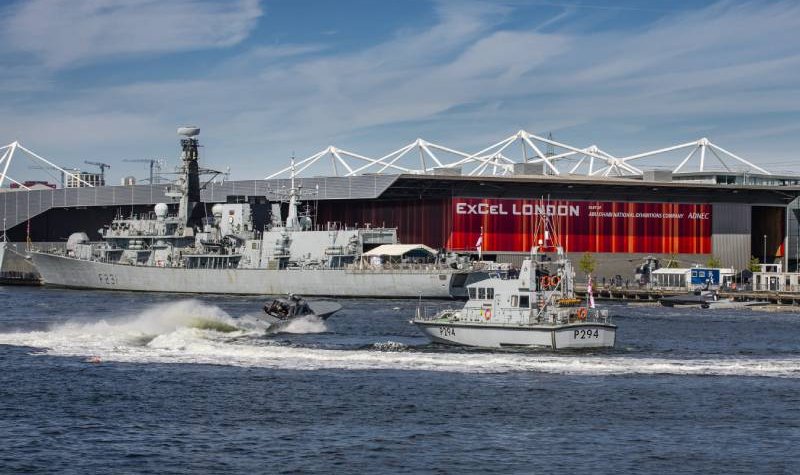
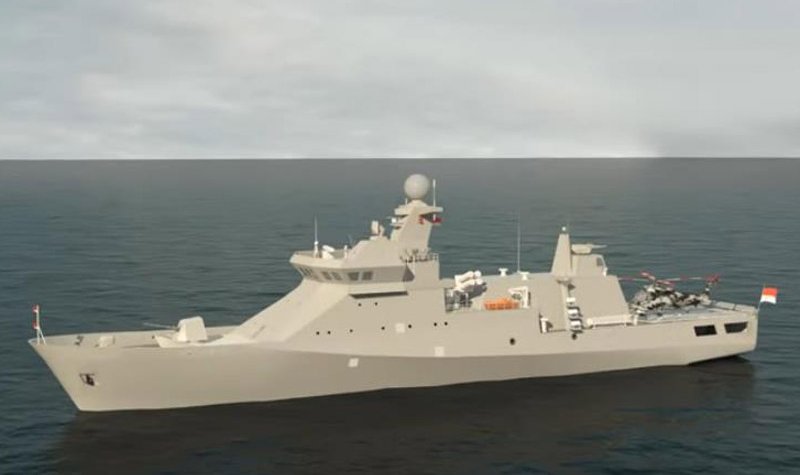
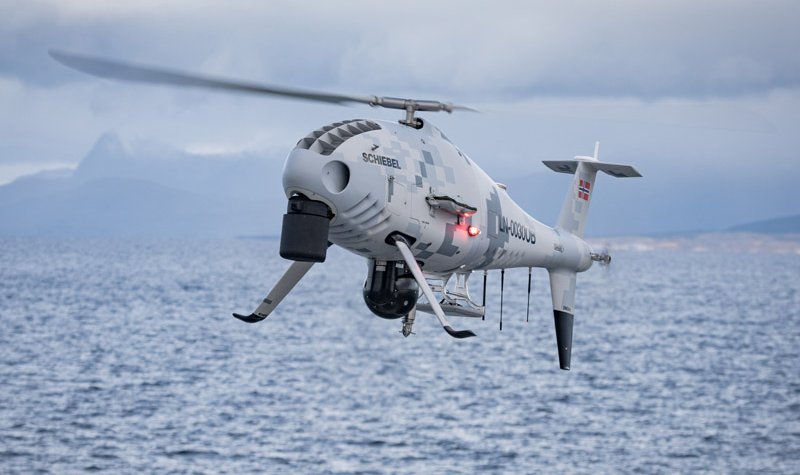
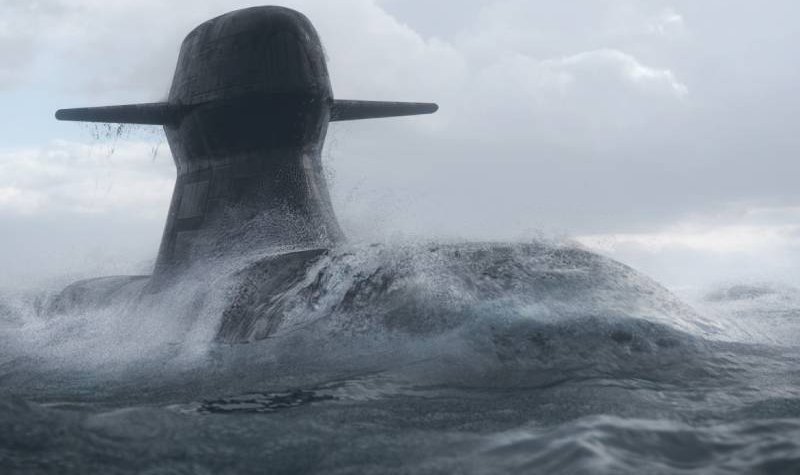
Investment in nuclear submarines, autonomous systems and stronger defensive capabilities for existing vessels show a clear strategic shift in Royal Navy priorities.
The DIP sees £8.6 billion earmarked for the Global Combat Air Programme, with heavy emphasis on uncrewed systems procurement and a national CCA programme, despite pushed forward helicopter retirements and questions over what shape future ISR capabilities could take.
At DSEI 2025, James Gray, Managing Director and CEO of Raytheon UK (part of RTX), outlines the company’s century-long presence in the UK and its evolving role across defence, aerospace, cyber, and tra...
At SOF Week 2025 in Tampa, Florida, Stu Bradin, President and CEO of the Global SOF Foundation (GSOF), underscored the increasing operational demands placed on special operations forces (SOF) as globa...
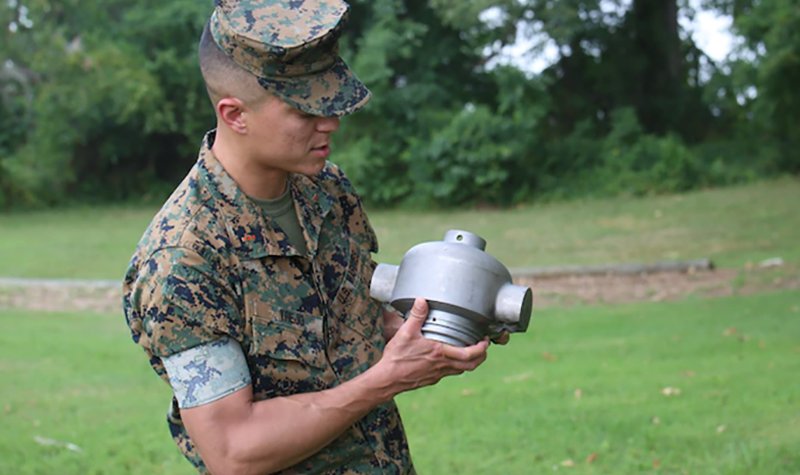
In the early 1900s - around the time that naval vessels were first experimenting with diesel engines - another important innovation was emerging at the other end of the propeller shaft line.
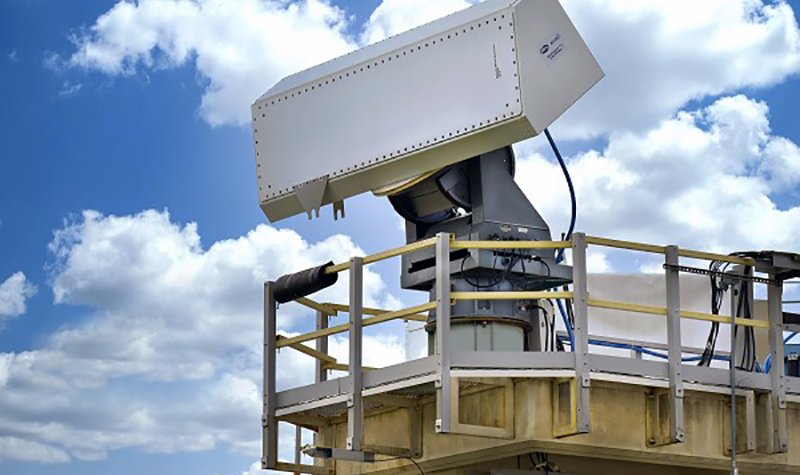
Developed by the US Naval Research Laboratory (NRL) with the help of Raytheon, the Flexible Distributed Radar Array (FlexDAR) system is said to offer improvements in detection, tracking and electronic protection.
Turkish manufacturer's SISS submarine-based sonar system will reduce Turkish Naval Forces' reliance on foreign suppliers, while upgraded YAKAMOS package will equip export corvettes.