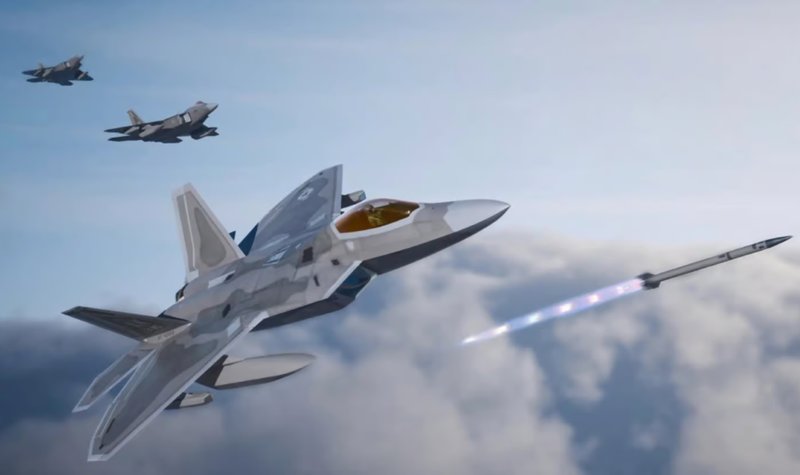
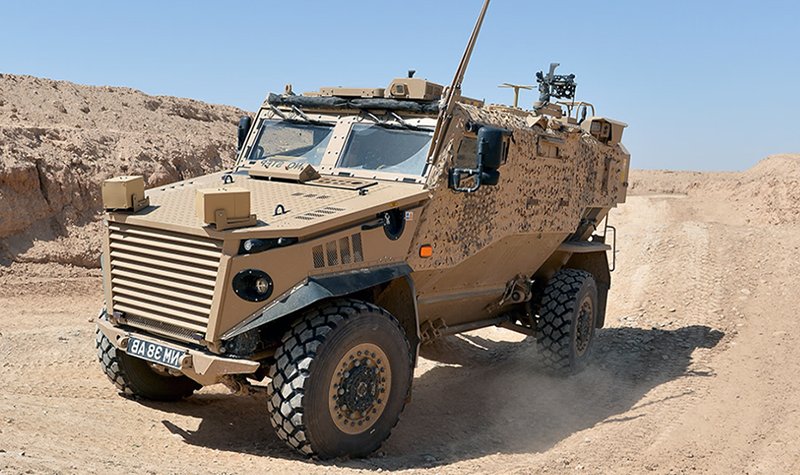
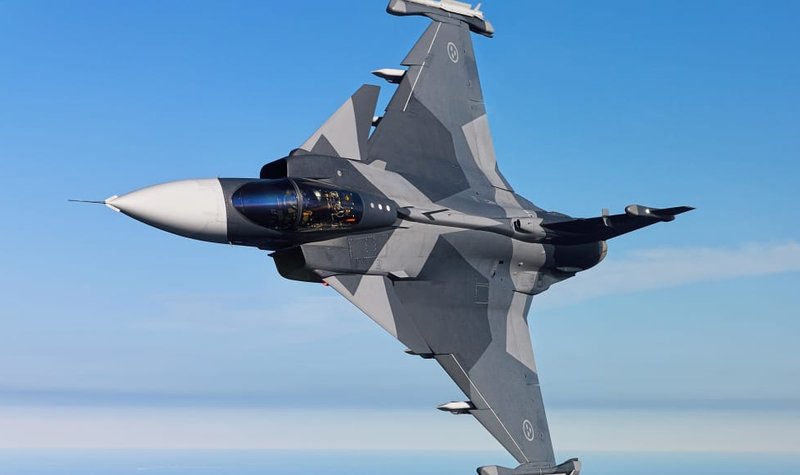
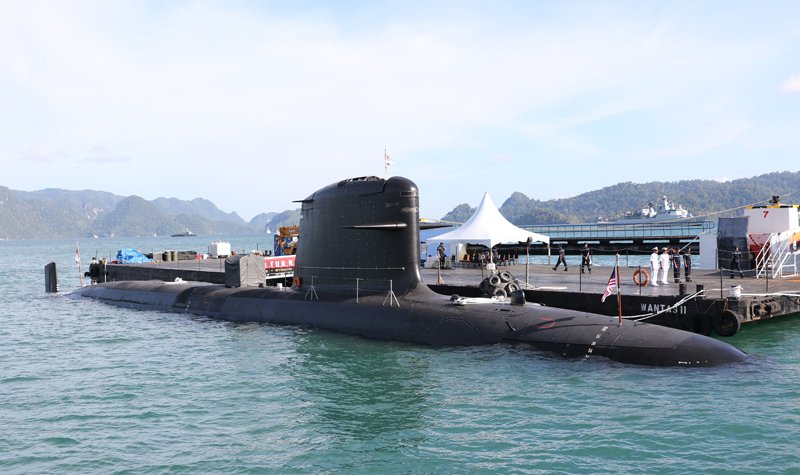
Saab has outlined how it is using artificial intelligence to make training more like electronic gaming, while the UK’s Power Size Technologies is applying the same technology to better evaluate and design vehicle capability, moving AI-enabled innovation further upstream from the frontline.
As the High North opens to shipping, navies face rising demand for icebreakers, ASW vessels, uncrewed systems and surveillance assets far beyond the submarine fleet.
At DSEI 2025, James Gray, Managing Director and CEO of Raytheon UK (part of RTX), outlines the company’s century-long presence in the UK and its evolving role across defence, aerospace, cyber, and tra...
At SOF Week 2025 in Tampa, Florida, Stu Bradin, President and CEO of the Global SOF Foundation (GSOF), underscored the increasing operational demands placed on special operations forces (SOF) as globa...
At the current pace, the US may not field a glide-phase interceptor until the 2030s, but a new report from the CSIS indicates that this could be accelerated.
Textron Systems believes surface effect ship technology could be used to provide specialised performance capabilities that traditional monohull vessels cannot.
While much attention focuses on the equipment Ukraine is receiving from foreign allies in its current stand-off with Russia, the domestic defence industry has been particularly active in overseas markets.
As Boeing continues to maintain a strong KC-46 production record, will negotiations between the manufacturer and the USAF on a RVS 2.0 baseline configuration prove pivotal to overcoming technical difficulties?
Jordan has requested 16 F-16s upgraded to the Block 70 (F-16V) configuration plus a plethora of associated subsystems and weapons, training services and logistical support in an FMS package worth more than $4 billion.