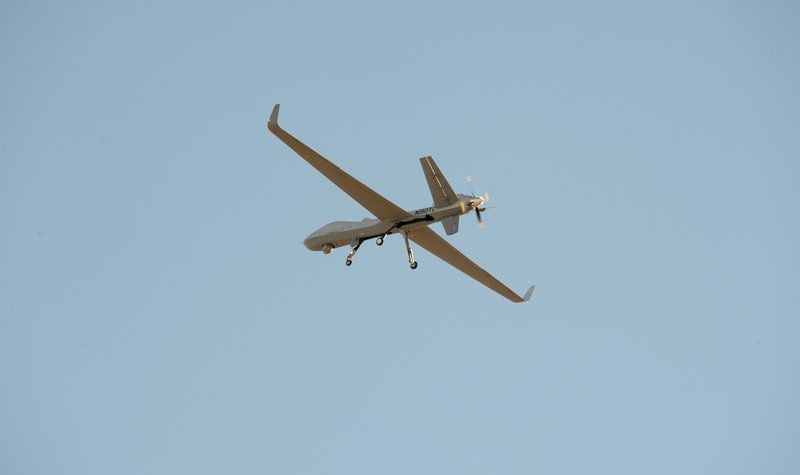
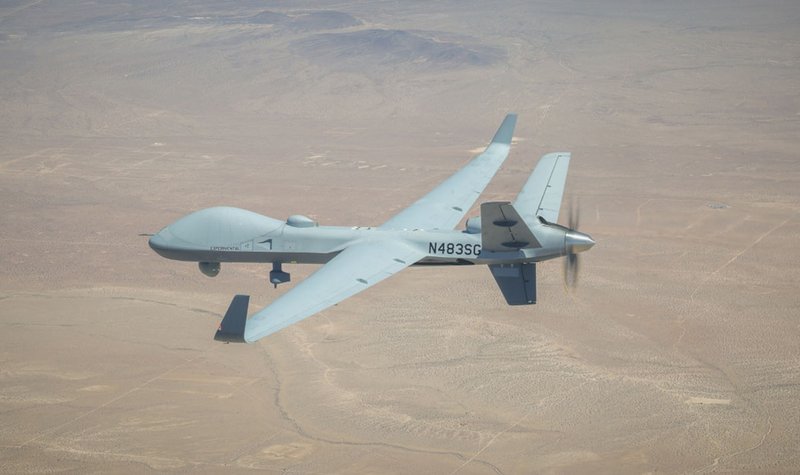
The UK is seeking to extend the operational reach of uncrewed aerial vehicles, reflecting growing demand for compact, energy-efficient technology to support beyond-line-of-sight operations.
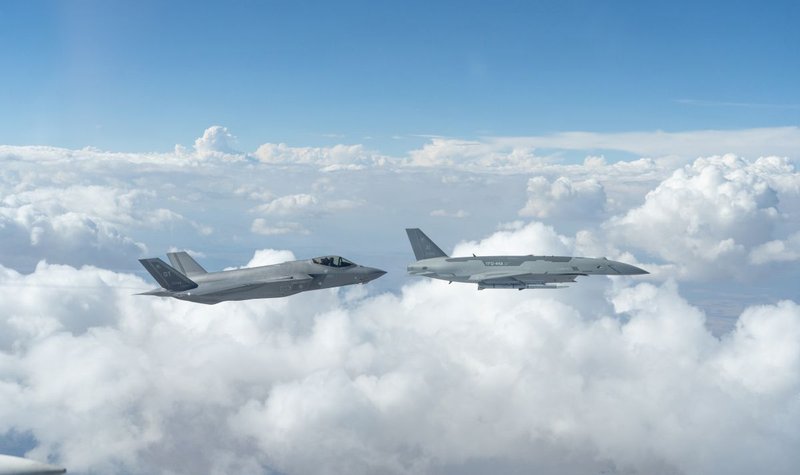
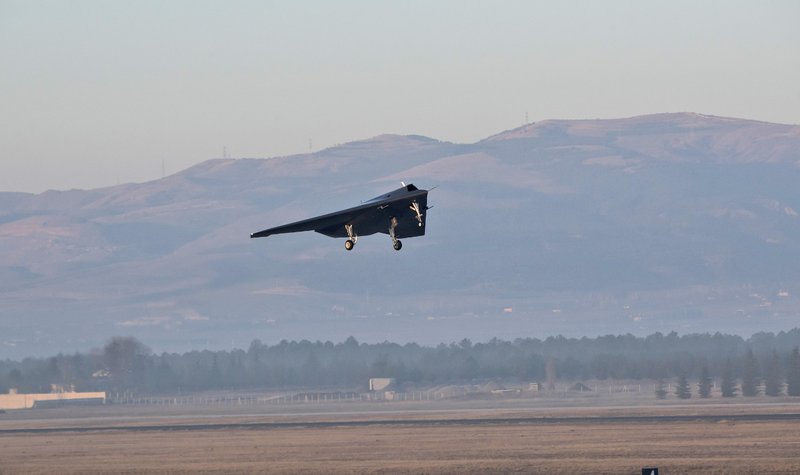
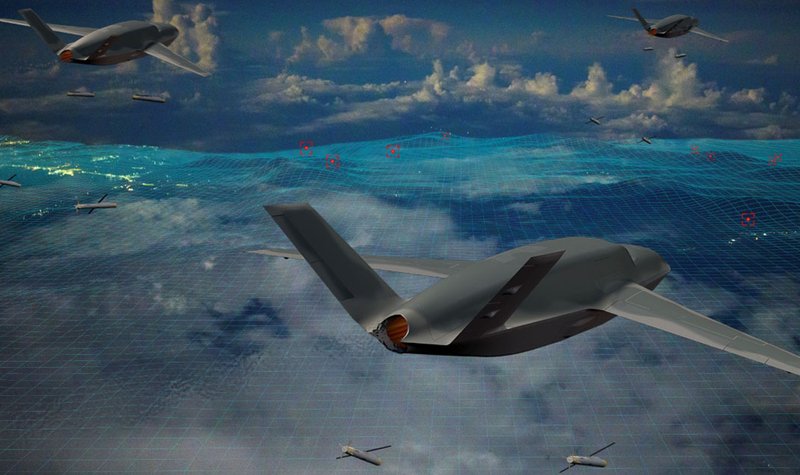
Northrop Grumman, Airbus and Anduril are positioning their uncrewed aerial vehicles for future collaborative combat aircraft contracts in a market that is forecast to exceed $36 billion.
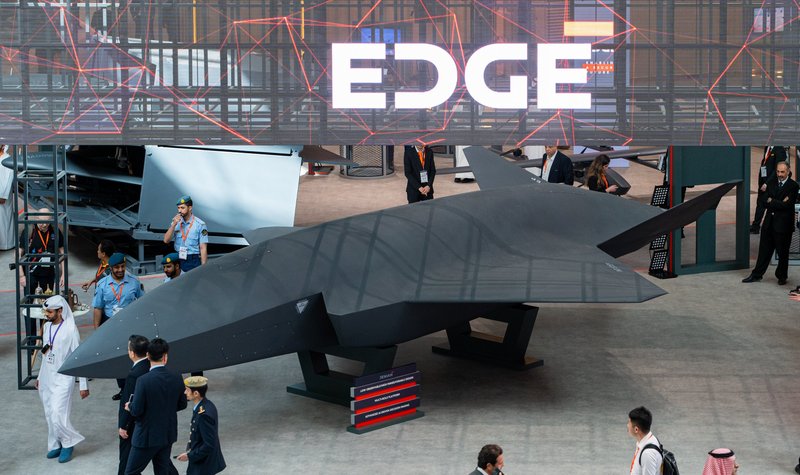
Foreign suppliers may be seeking ways to break into the guarded UAE drone market, where domestic firms dominate much of the US$5.24 billion value and a large share of spending is already tied to a single major deal.
Avio’s newly planned rocket motor plant in the US will help two of the country’s primes to increase their solid rocket motor output for their missile portfolios and meet future demand.
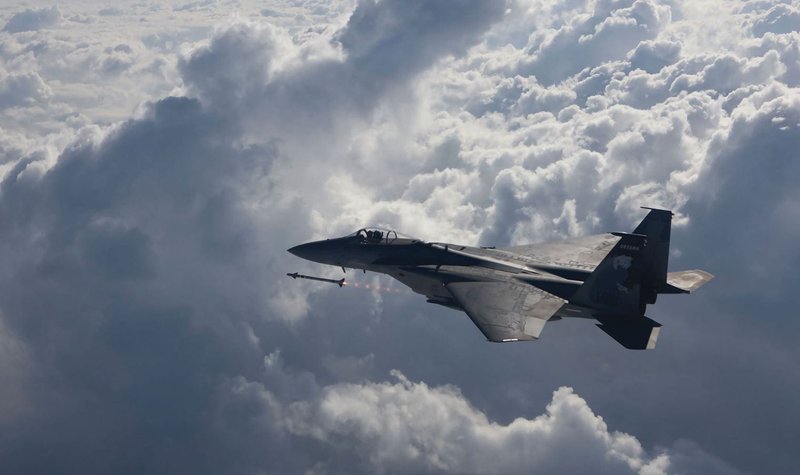
Several key defence contracts are still waiting to be confirmed in the air domain as global players including the US, some European countries and Turkey look to seize market opportunities.
Known as Project Nyx, the flagship opportunity would look to award up to four contracts for initial development of the ACP concept demonstrator by 2026.
Speakers at the Defence In Space Conference (DISC) 2025 highlighted the critical and evolving role of space in national security, defence and the global economy.
The US Marines Corps’ Force Design 2030 is about restructure, changes to operational concepts, a refresh of equipment and new categories of equipment. The review indicates a high level of success.