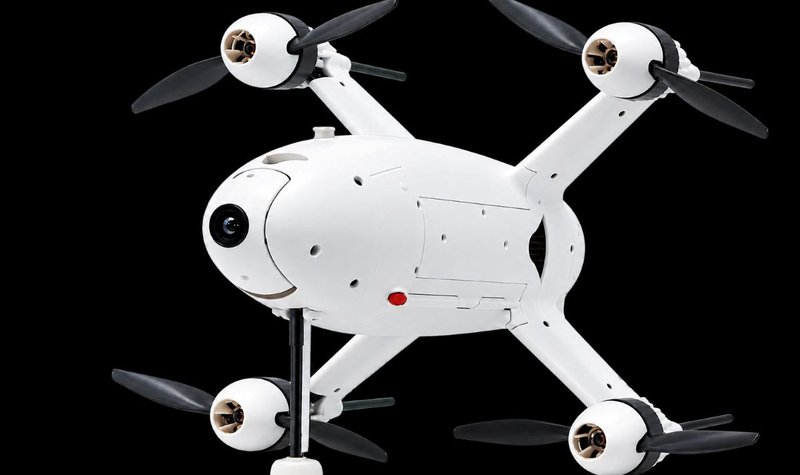
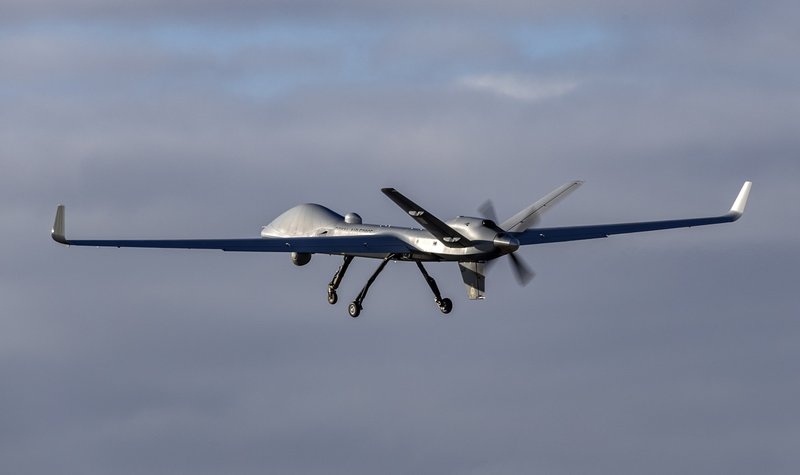
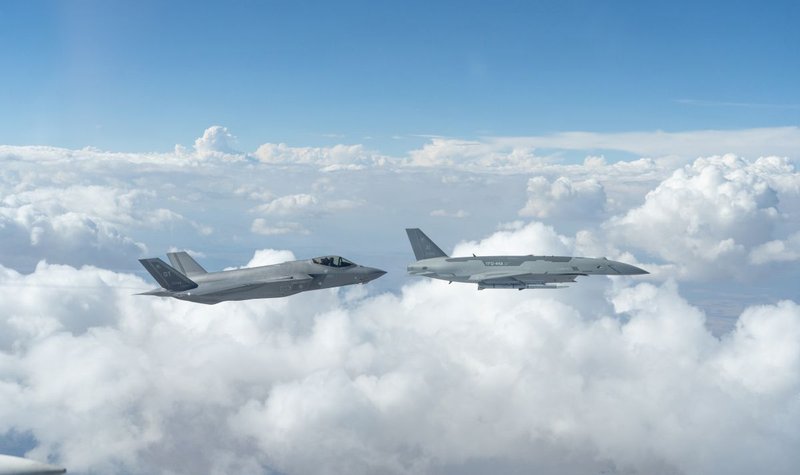
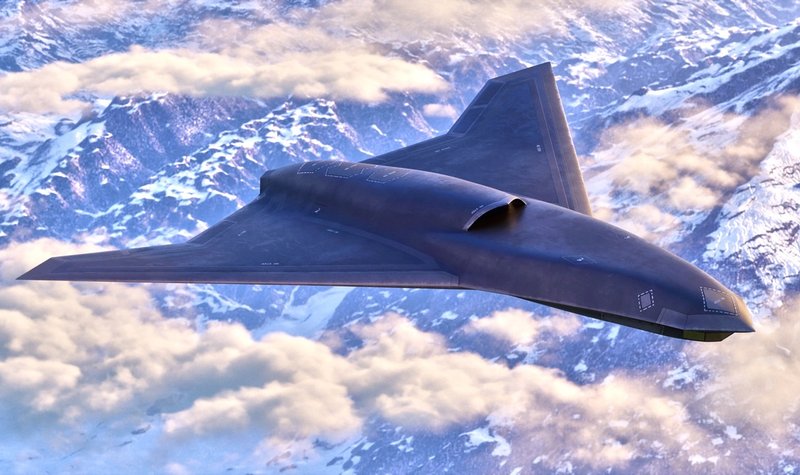
Northrop Grumman, Airbus and Anduril are positioning their uncrewed aerial vehicles for future collaborative combat aircraft contracts in a market that is forecast to exceed $36 billion.
Rather than developing entirely new weapons, defence companies are looking to build on existing weapons and systems to deliver greater capability, control costs and accelerate fielding.
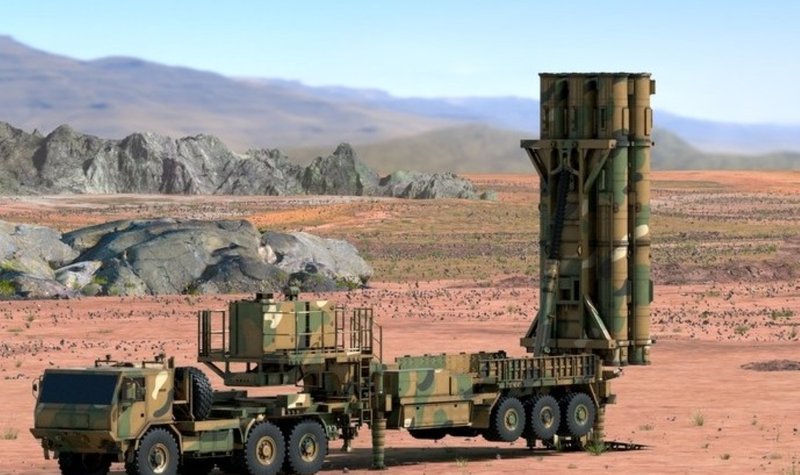
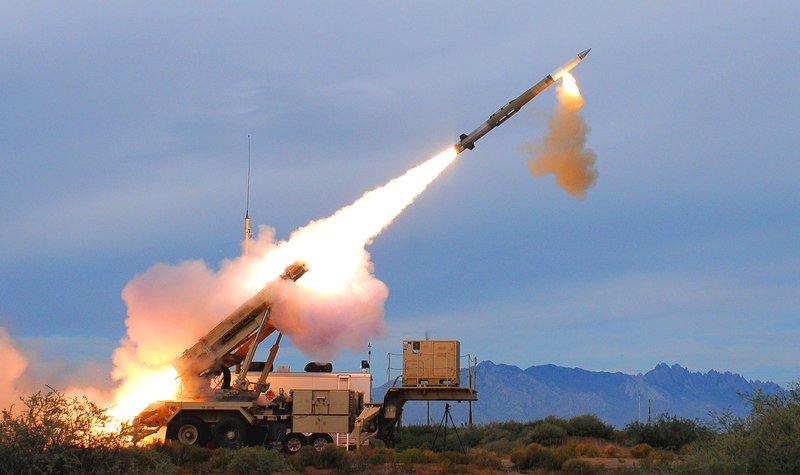
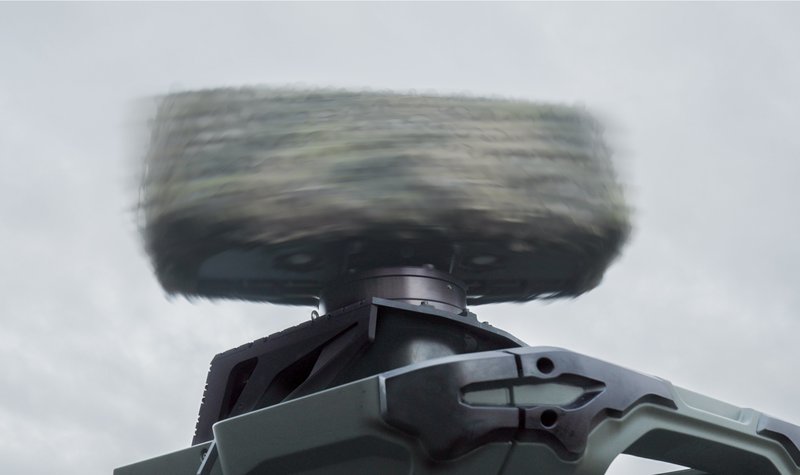
The deal to produce and supply launchers and missiles to South Korea follows a contract placed with Hanwha Systems last month for the manufacture of multi-function radars.
The company has worked to heavily invest in its solid rocket motor production capabilities, both in the US and internationally, to build a strong supply chain to meet growing demand.
The USAF has allocated nearly US$500 million to further the deployment of this type of technology in FY2026. It envisions using analytics to enhance sensors, weapons, missiles and human performance.
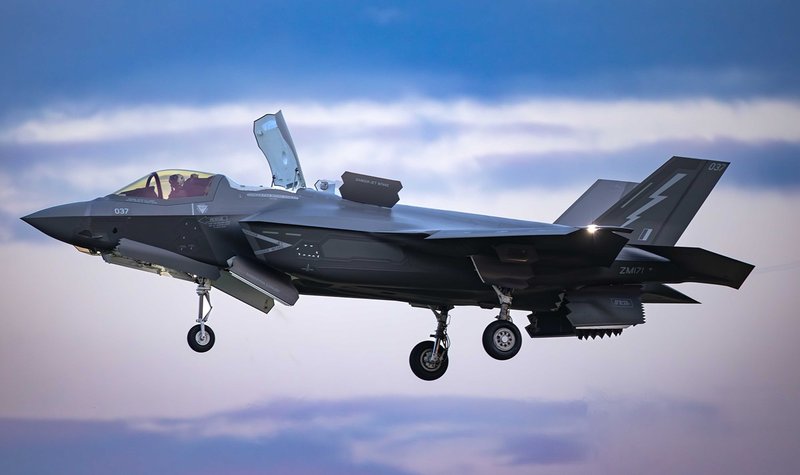
The UK was originally set to receive all remaining aircraft by the end of 2025, although the MoD had previously forecast that deliveries could be delayed until April 2026.
The orders continue the country’s growing investment in its air defence systems across land and sea, coming months after previous investments by the government into IRIS-T SLM equipment.