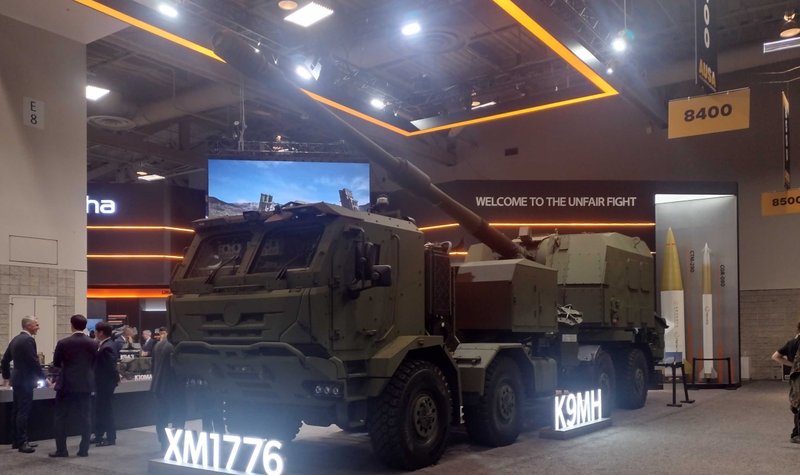
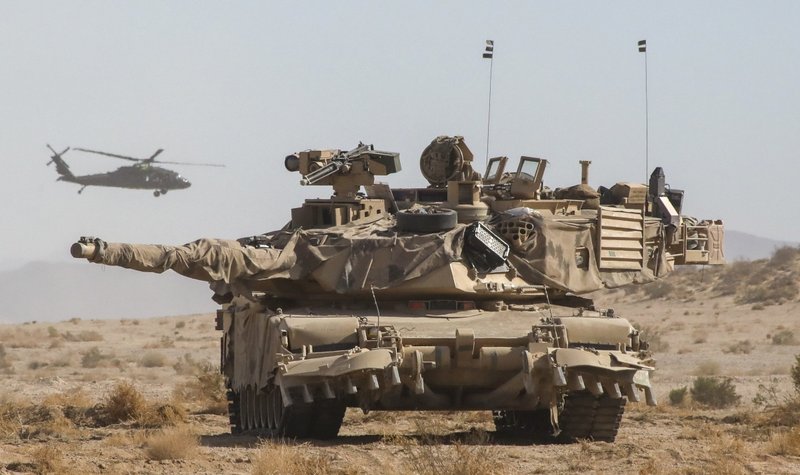
Non-US companies are increasingly looking to establish subsidiary and partnerships to access the potential billions of dollars of vehicle and land systems contracts and there has already been some success.
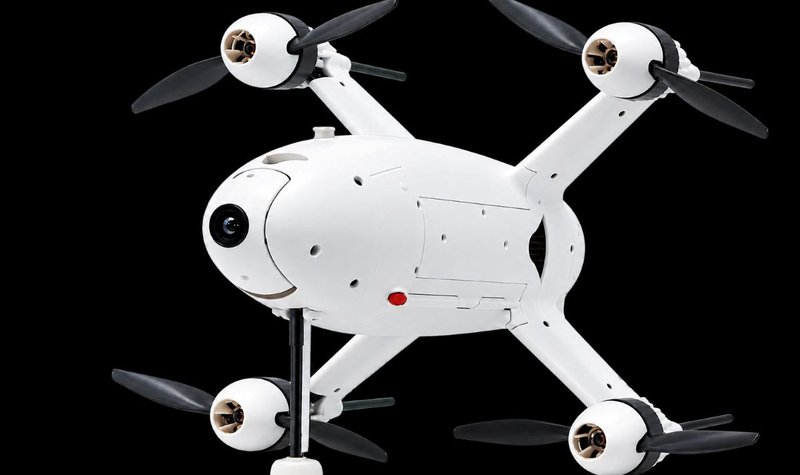
The UK is seeking to extend the operational reach of uncrewed aerial vehicles, reflecting growing demand for compact, energy-efficient technology to support beyond-line-of-sight operations.
Collaboration between Estonian defence companies and well-aligned firms in Asia-Pacific will form a key part of Tallinn’s ambitions to significantly grow its defence industrial base.
Aselsan was formed 50 years ago in response to difficulties Turkey was facing in sourcing major systems internationally. While some challenges still remain, company president Ahmet Akyol believes a rapprochement is possible.
L3Harris has completed the production candidate software load for its Viper Shield airborne electronic warfare system and is conducting sea trials with its VAMPIRE counter-drone system.
Saudi Arabia’s investment in its land forces, notably in the area of air defence as recently as 30 January, is a sign of the challenges the Gulf State faces, particularly the threat from Houthi rebels in Yemen.
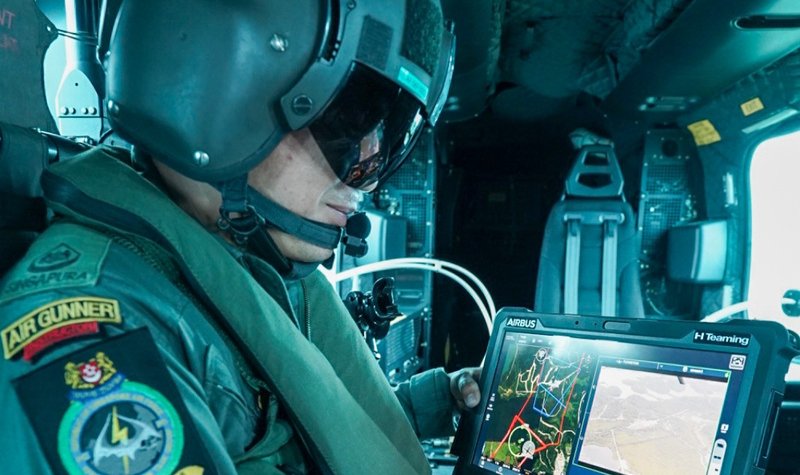
The tests between a Republic of Singapore Air Force H225M and Airbus Flexrotor uncrewed aerial system were designed to allow the crew to receive and process real-time data from the UAS while maintaining direct command and control.
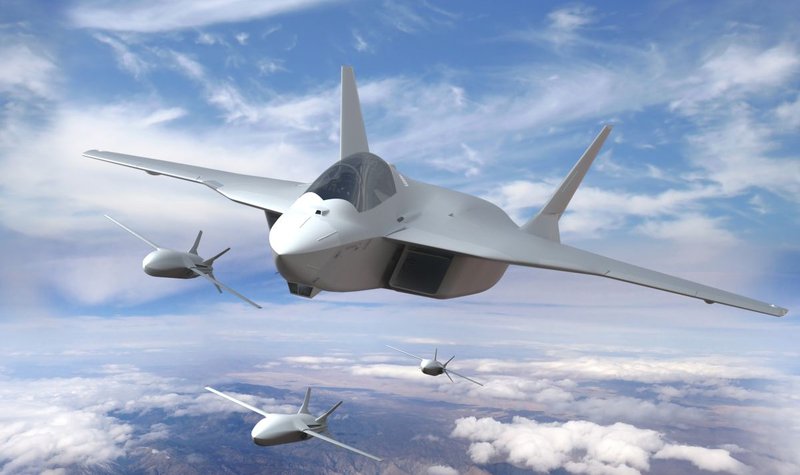
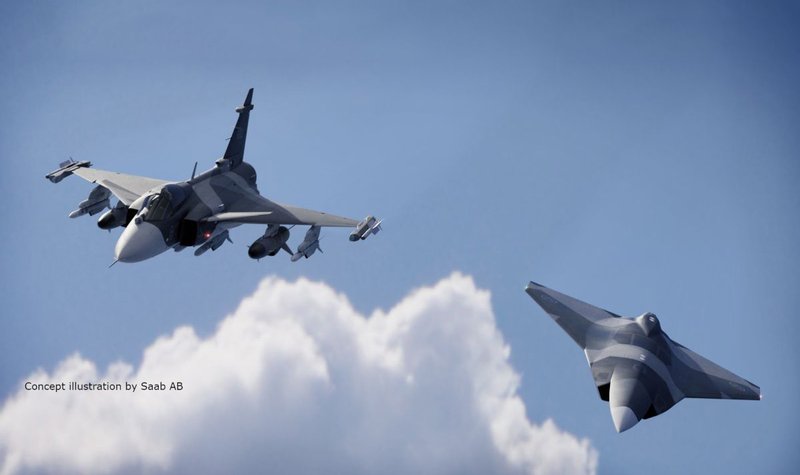
The Swedish government is expected to make a decision on the next steps of the Future Fighter System Concept programme by 2030, with the current second phase focusing on technology knowledge expansion and demonstration flights.
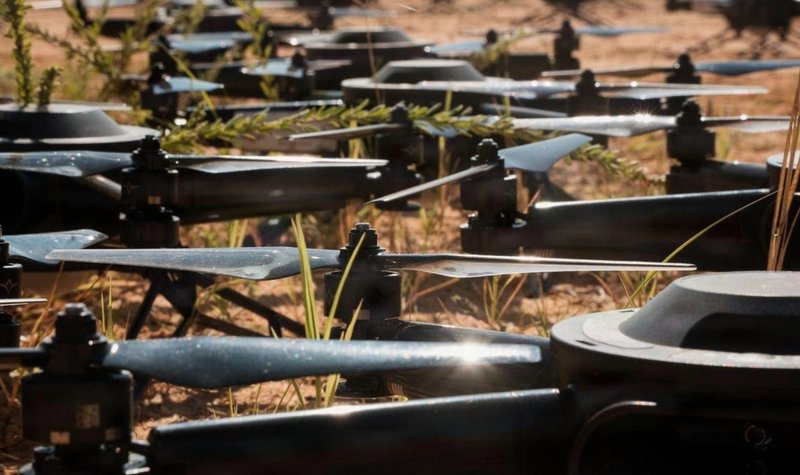
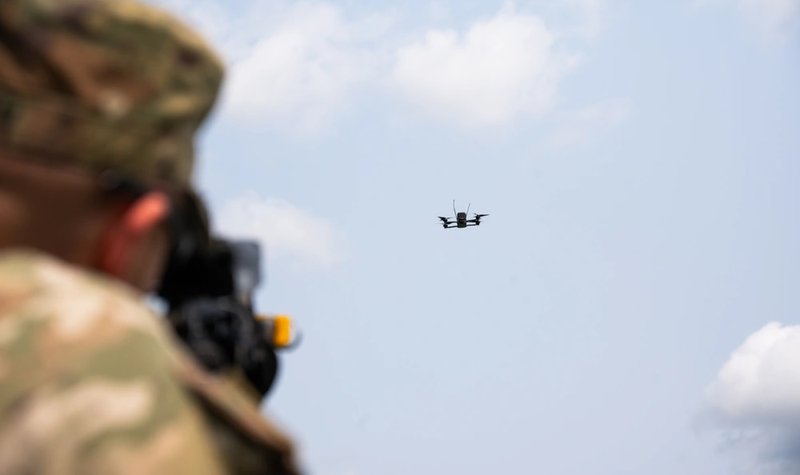
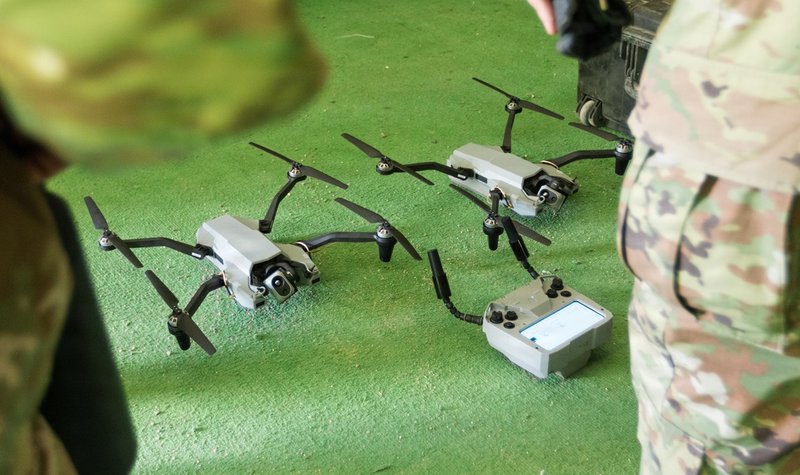
In the wake of its 1,842% year-on-year revenue increase in Q4 2025, Red Cat sees mass opportunities in the Asia-Pacific region as the company eyes an ongoing production increase and market growth.
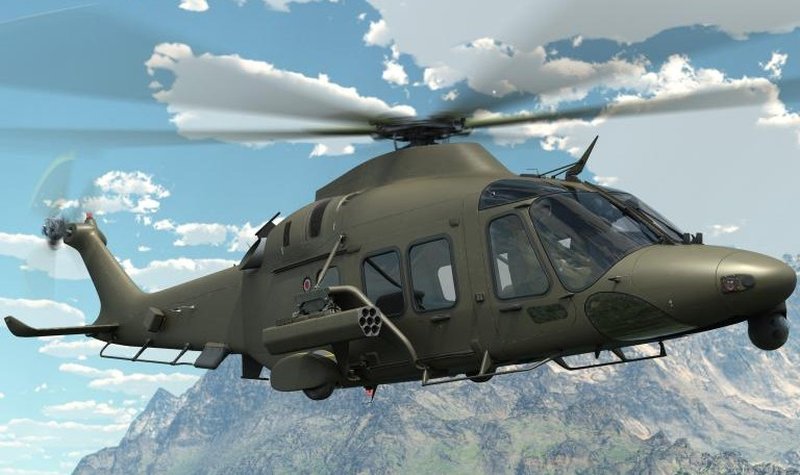
India’s major helicopter programmes are under the spotlight as the country turns to global partners to replace legacy helicopters with growing urgency.