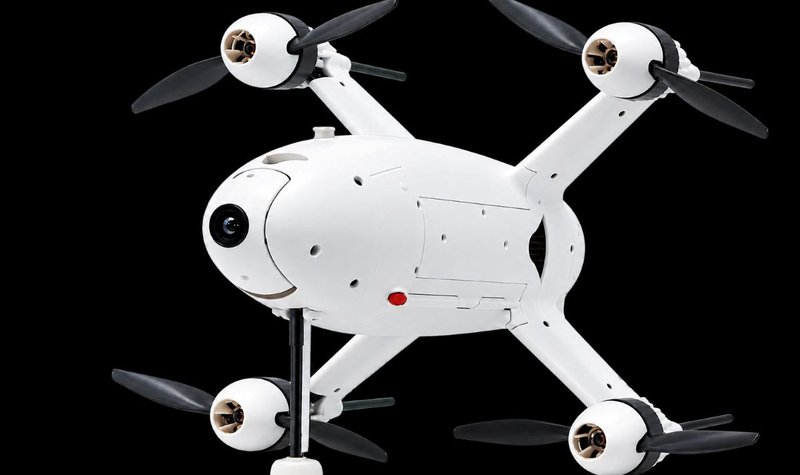
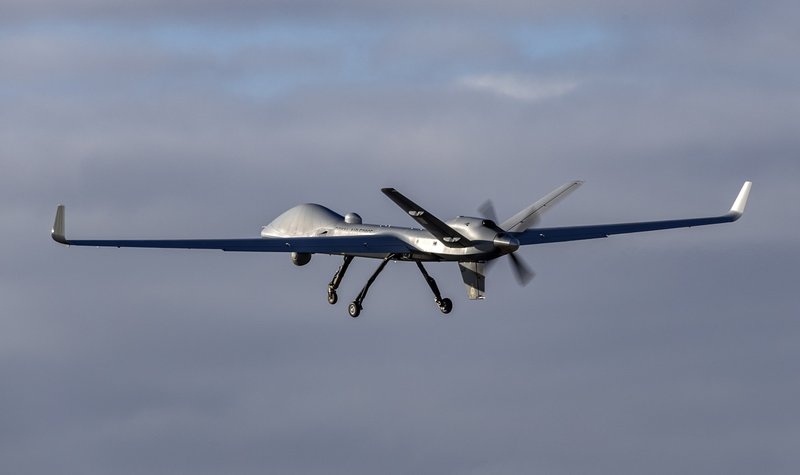
Quantum Systems’s Ukraine-made interceptor SPYS is thought to cost approximately 10 times less than Russia's jet-powered uncrewed aerial systems and is being produced at scale.
Turkish shipbuilders have sold ships from Asia to Europe, but autonomy and swarm technology could give them a fairer fight against Western European rivals.
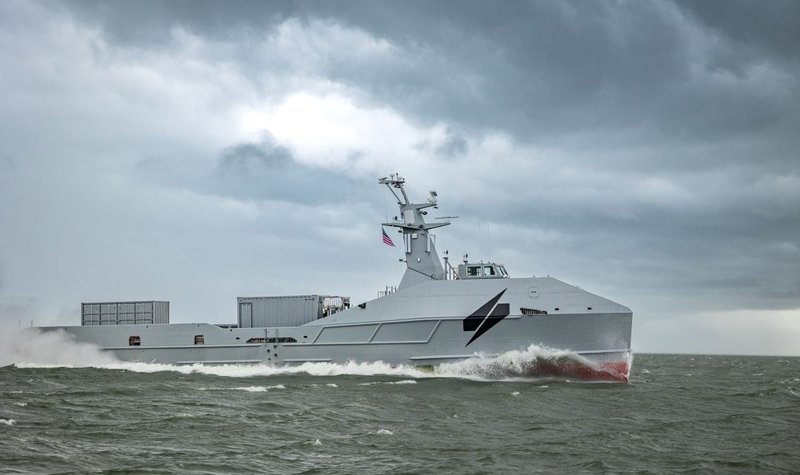
HII, Saronic and Galliano Marine Services have won US Navy production contracts to supply medium uncrewed surface vessels. The marketplace approach behind them sets the bar for suppliers eyeing allied navy competitions.
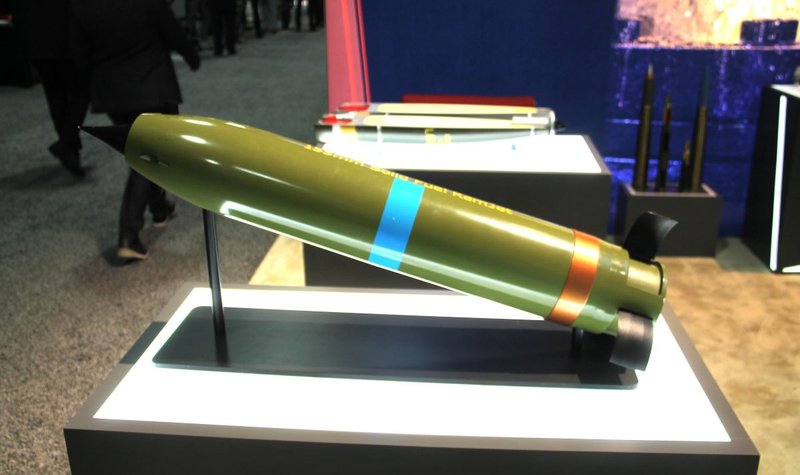
Nammo is developing new artillery ammunition designed to extend firing ranges, combining ramjet propulsion research with conventional, base-bleed and rocket-assisted projectile designs.
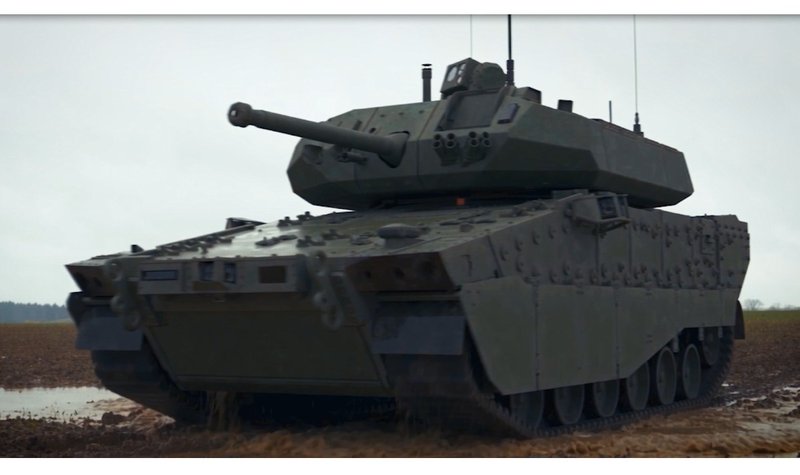
The US Army’s XM30 programme is an ambitious multi-billion-dollar effort to replace Bradley infantry fighting vehicles. American Rheinmetall and General Dynamics Land Systems are fighting for the contract.
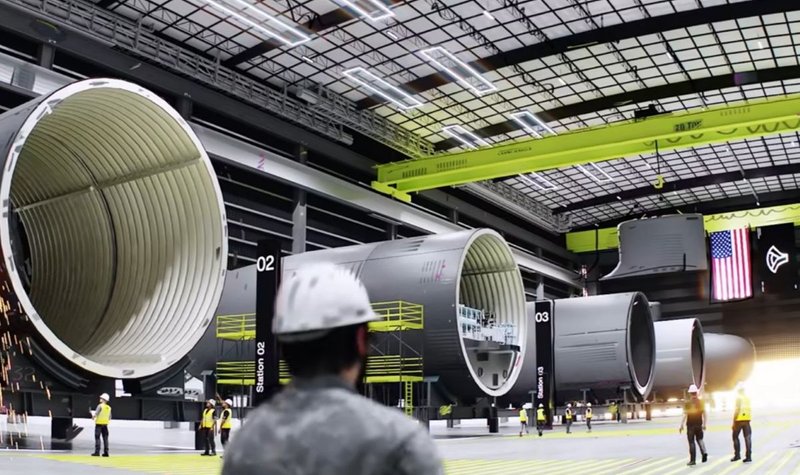
Anduril’s Arsenal-2 is a gamble on a brand-new yard and perfect timing, but with Virginia-class output stuck at 1.1 to 1.2 boats a year, it is a bet worth making.
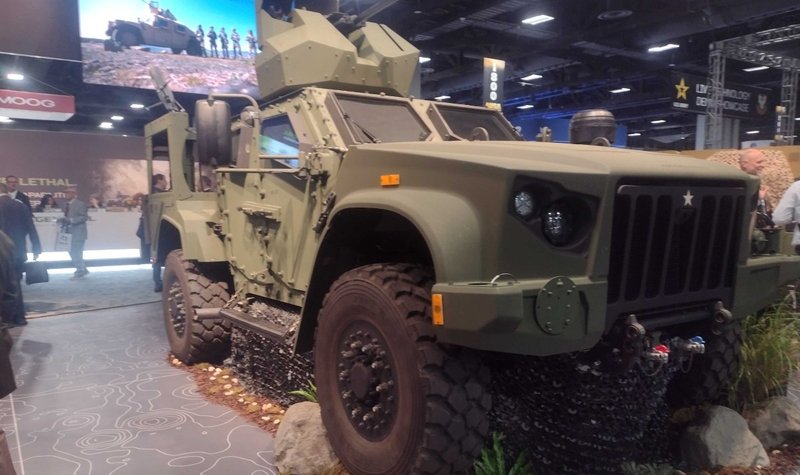
The Joint Light Tactical Vehicle programme for the US Marine Corps appears to be making progress, with AM General increasing production of its version while Oshkosh Defense has secured long-lead materials in anticipation of becoming a secon...
In Conversation… The geopolitical landscape is increasingly uncertain, with the UK and its allies confronting the most unpredictable international environment for decades. To adapt, defence readiness must begin long before assets reach the ...
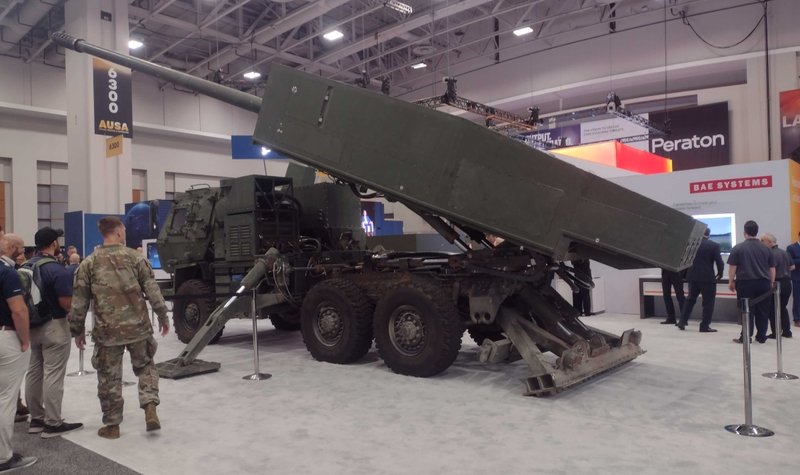
The company's new artillery demonstrator is intended to engage incoming missiles and ground targets, while a separate microwave system focuses on uncrewed aerial threats.
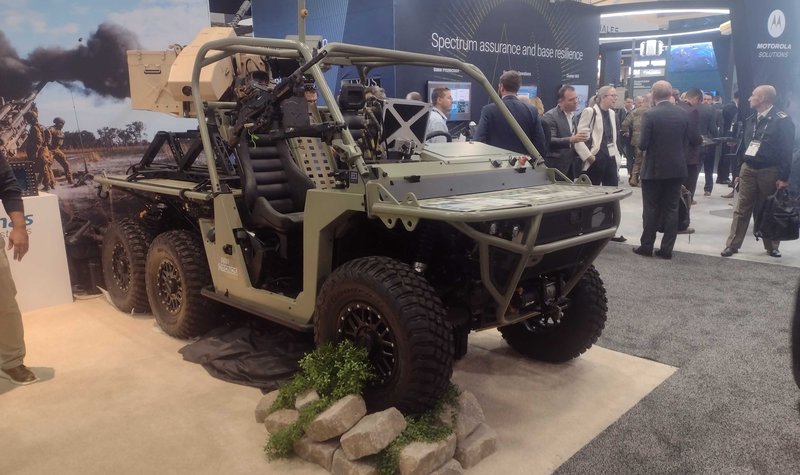
An elevated remote weapon station, radar sensor and 12.7mm machine gun provide the Australian vehicle with a potential mobile counter-drone capability.
Syos Aerospace will channel its first outside capital into research, production and overseas reach as navies seek jam-resistant, integrated uncrewed fleets.
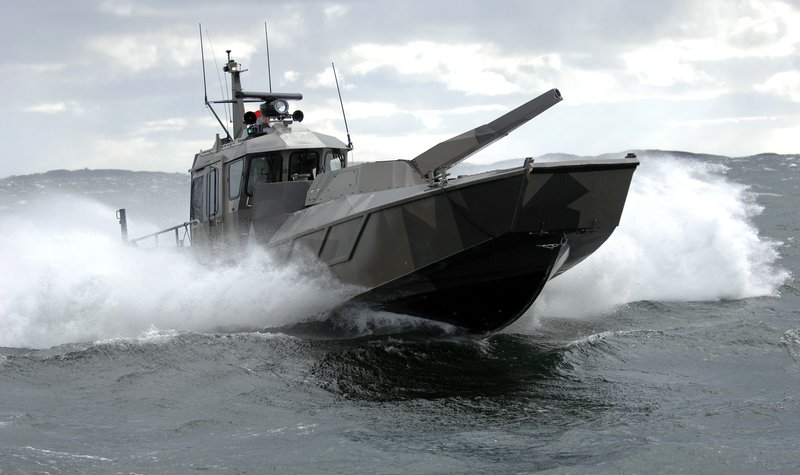
The Patria NEMO Navy mortar system marks a revolutionary advance in maritime defence technology, offering unparalleled benefits to customers who demand performance, adaptability and safety in their naval operations.
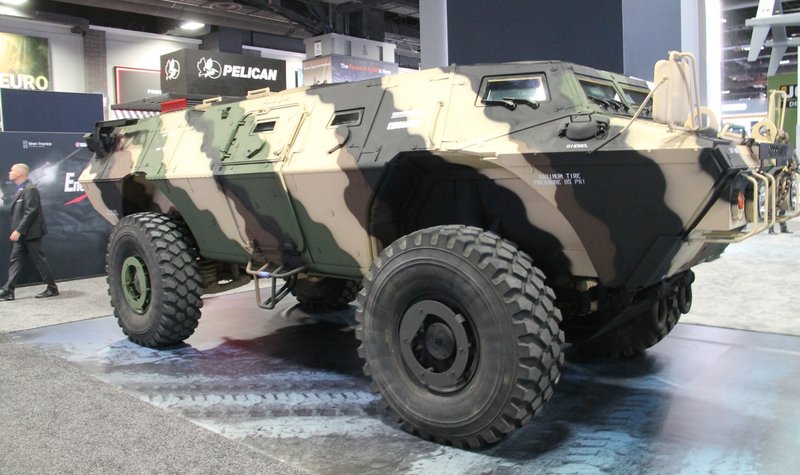
The latest Commando Select configuration incorporates improvements to its powerpack and suspension, with the first of 65 vehicles destined for Ukraine expected to be delivered in early 2027.
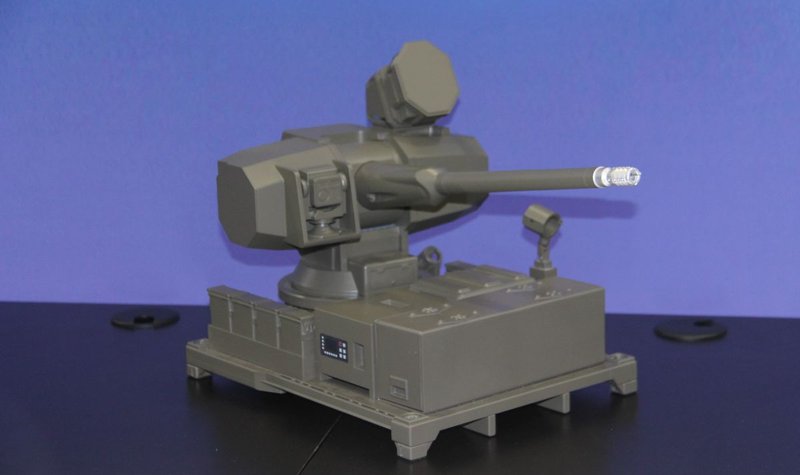
At AUSA 2026, Northrop Grumman revealed it had invested US$100 million in its Raid Hunter gun-based air defence capability, which the company claims could reduce the cost of individual engagements by 95.5% compared with interceptor missiles...