Frigates and submarines anchor Brazilian naval modernisation worth US$5.52 billion
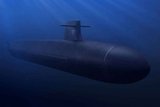
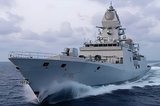
The Tamandaré Class is based on the MEKO family of warships. (Image: TKMS)
Shipbuilding programmes established over the past decade are setting Brazil’s course towards having one of the most modern navies in the region.


Between 2026 and 2032, Shephard Defence Insight forecasts that Brazil is set to spend US$5.52 billion on the procurement of naval vessels. Of this amount, $3.44 billion is tied to programmes that are yet to have contracts awarded, all of which are expected to be awarded by the end of 2030.
Two major programmes contributing to this are the intended acquisition of an additional four Tamandaré-class frigates and the continued development of the PROSUB SSN due to be delivered in 2034.
Other opportunities lie in forecasted programmes for uncrewed surface vessels, coastal patrol vessels and logistics support ships
Our news & analysis is now part of Defence Insight®
A Basic-level or higher Defence Insight subscription is now required to view this content.

More from Naval Warfare
-
![From the Baltic to the Gulf: where USV procurement is heading next]()
From the Baltic to the Gulf: where USV procurement is heading next
Saildrone’s new Copenhagen base is one sign of a larger shift, as navies globally turn to uncrewed vessels for surveillance and mine clearance.
-
![How France’s SNLE 3G programme is reshaping the naval nuclear industrial base]()
How France’s SNLE 3G programme is reshaping the naval nuclear industrial base
Extending far beyond a four-submarine replacement programme, France’s ballistic missile submarine effort is a decades-long industrial initiative designed to preserve the country’s ability to build and sustain nuclear-powered strategic platforms.
-
![Quantum Systems enters maritime domain with Baltic-focused USV and UUV]()
Quantum Systems enters maritime domain with Baltic-focused USV and UUV
Quantum Systems has launched into the maritime domain with Seavex and Subvex, aiming to close a Baltic Sea ISR gap opened by infrastructure sabotage.