How defence sovereignty is driving middle power jet programmes
The Saab JAS 39E/F Gripen is a multirole fighter aircraft developed from earlier Gripen models and the Gripen NG. (Photo: Saab)
While moving away from US-made equipment towards home-grown options is a rising preference for some countries, there are multiple hurdles to overcome to compete with the US’s expansive global footprint and dominance.


As the Trump administration continues to call into question the future of globalisation, governments across the world have increasingly emphasised the importance of strengthening their industrial base and, in turn, their sovereign capabilities. The defence sector has been a focal point of many of these conversations.
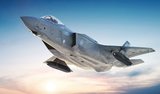
With US allies attempting to reduce their reliance on American equipment, various middle powers have sought to fulfil this new commercial gap. Sweden, South Korea and Turkey are currently leading this race with their respective products: the Gripen, the KF-21 and the Kaan fighter jet.
Structural weaknesses
Across the board, however, these programmes face serious long-term challenges. To start, there are questions surrounding how these manufacturers plan to fund platform research and development and overcome the existing footprint of American platforms.
Related Articles
Could the Middle East be the next target for the F-35A?
Saab Gripen E/F: the multirole fighter that’s seeing a resurgence (updated 2026)
Outside of Sweden, the Gripen has three additional operators from Latin America and Southeast Asia. However, this existing customer base does not come close to providing the platform with the experience or funding needed to continue to modernise the Gripen with the evolving requirements of the battlefield.
Recently, the Gripen E/F missed out on what Shephard estimates was a US$2 billion contract to supply the Peruvian Air Force with 24 new fighter aircraft. The programme was ultimately awarded to the F-16V, a common competitor of the Gripen E/F.
Further, the remaining Nordic countries operate an extensive fleet of F-35A, including Norway, which has the largest fleet in the world outside of the US. Long-term, the difference in inventory choice dampens the likelihood that the Nordic countries will work together to back research and development for the Gripen, as a mass procurement is highly unlikely.
Shephard estimates that Norway and Finland’s F-35A fleets will be in service for at least another two decades, leaving Sweden and Saab with a long-term structural dilemma.
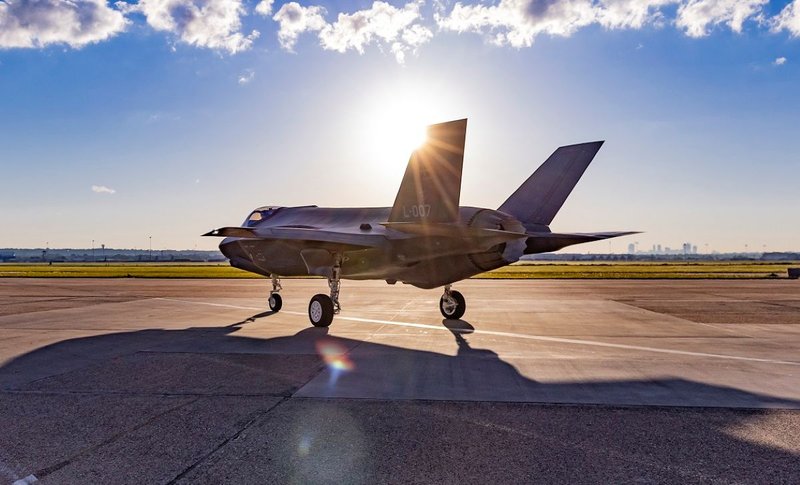
The KF-21 and the Kaan programmes face similar challenges exacerbated by their developmental status. Both Turkey and South Korea have pushed their respective aircraft towards middle powers, particularly across Southeast Asia and the Middle East. However, neither platform has had significant success, with both nations ultimately relying on Indonesia for their only foreign finalised order.
American equipment therefore poses a significant long-term threat to the platforms produced by middle powers, given the unparalleled access to capital and existing footprint across the globe, which amounts to a combined 26 nations between the F-35A and F-16V.
The path forward
Ultimately, Shephard projects these programmes will face a key inflexion point in the next decade in which their leadership must either pursue cooperation or risk becoming slowly obsolete next to new American technology and platforms.
Given the priority of establishing sovereign military capabilities, it will be critical that middle powers choose partners wisely and with clear input from industry leaders.
Related Programmes in Defence Insight
Related Equipment in Defence Insight



More from Air Warfare
-
![September drone digest: attrition-tolerant aircraft pitched to replace the Reaper]()
September drone digest: attrition-tolerant aircraft pitched to replace the Reaper
The loss of many MQ-9 Reapers during the 2026 Iran War has underscored the risks of sending relatively expensive UAVs into contested airspace. In September, new contenders to replace the Reaper emerged, championing cheaper, modular aircraft designs for mass production and inevitable attrition.
-
![Spain air focus: Mature UAV market rewards early supplier engagement]()
Spain air focus: Mature UAV market rewards early supplier engagement
Spain accounts for 5% of European military UAV spending, broadly in line with its share of the continent’s wider defence market. What sets the country apart, however, is how much of that spending has already been committed, reflecting Spain's earlier adoption of the capability.
-
![New US Army UH-60M Black Hawk order bridges uncertain path to MV-75 transition]()
New US Army UH-60M Black Hawk order bridges uncertain path to MV-75 transition
The US$234 million award for 16 Sikorsky UH-60Ms preserves near-term production, but funding uncertainty and an undefinitised contract leave the US Army’s long-term Black Hawk requirements unresolved.