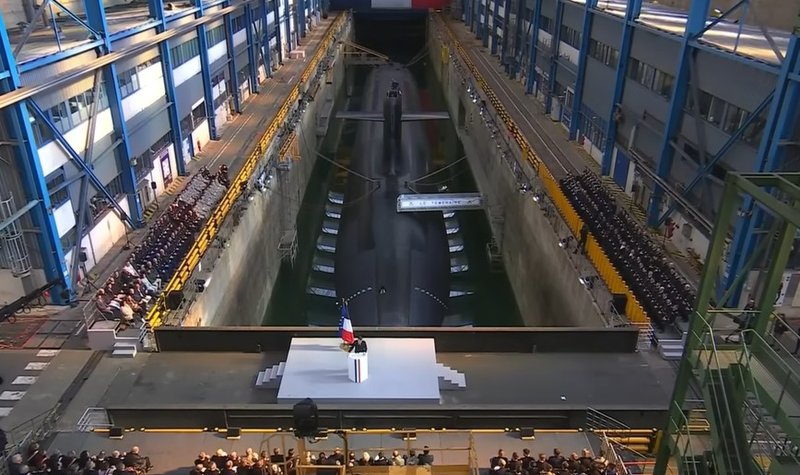
Ahead of Euronaval 2026, major submarine, frigate and aircraft carrier programmes are driving investment, while future corvette replacements and growing interest in uncrewed vessels offer further opportunities for industry into the 2030s and beyond.
The Canadian Department of National Defence is evaluating communications and reconnaissance changes for CCGS Imnaryuaq’s expanded maritime security role, while retaining its 2032 acceptance target.
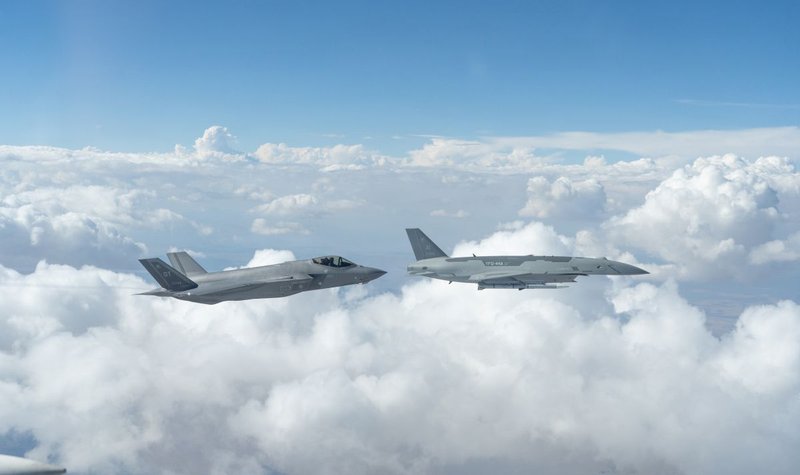
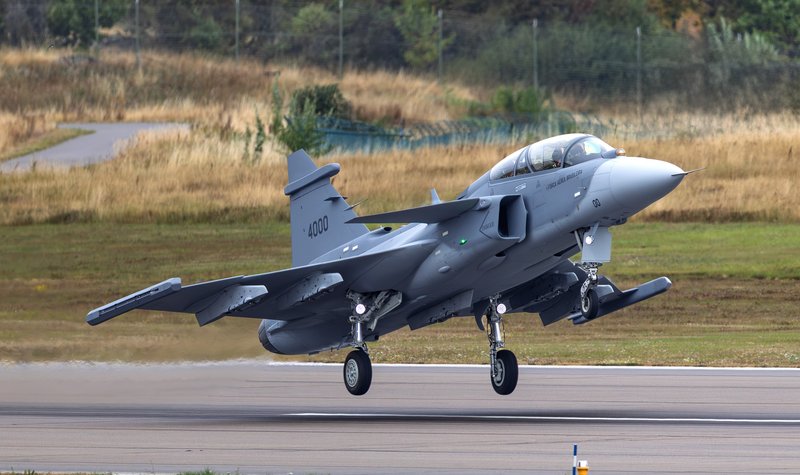
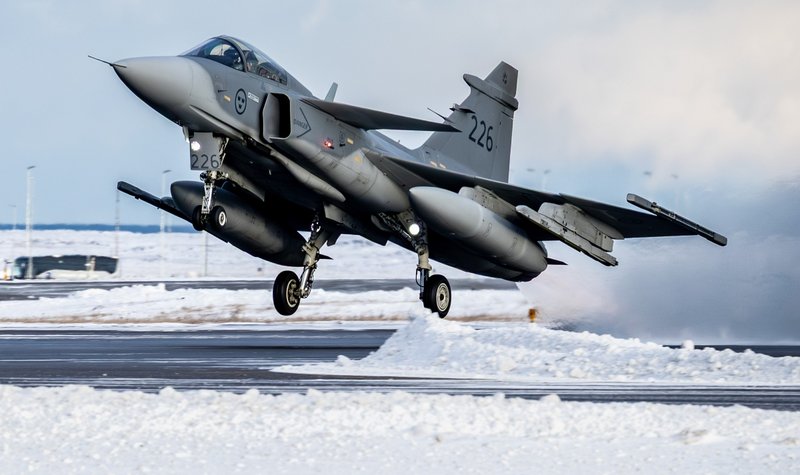
Sweden is an outlier as a smaller nation with its own indigenous fighter aircraft and airborne early warning platform and is now looking at how local company Saab Aerospace can meet the plans for a collaborative combat aircraft.
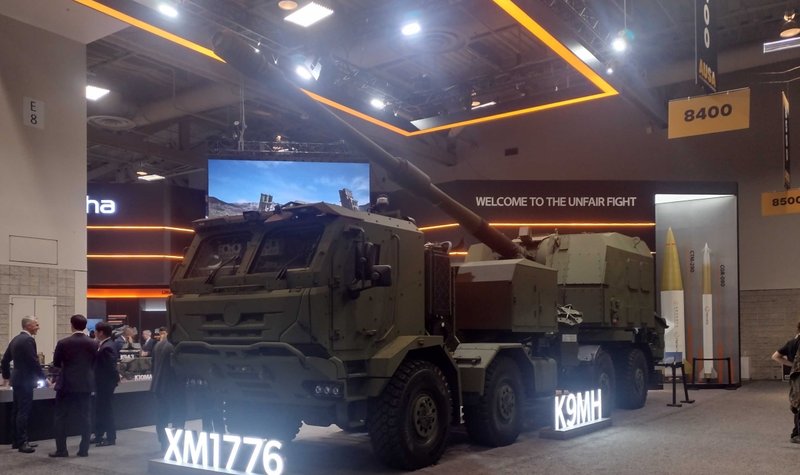
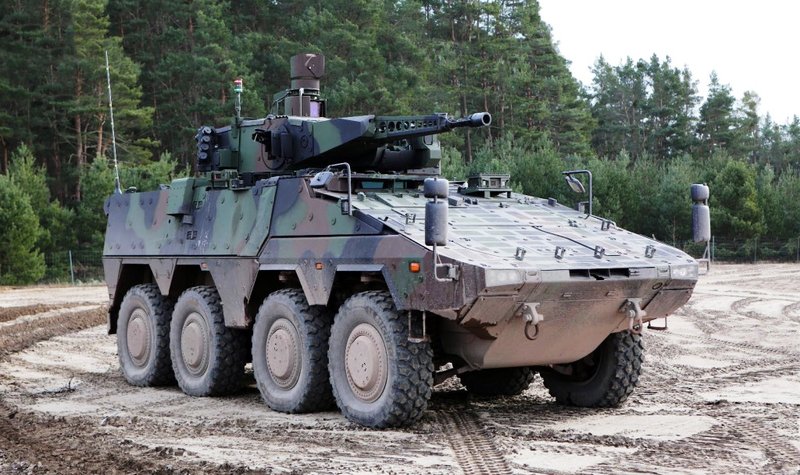
Hanwha Defense USA made major inroads into the US market this month, landing its first contract in the country, while Germany and The Netherlands signed up for more Boxer CRT30 8x8 infantry fighting vehicles. FNSS also unveiled a new amphib...
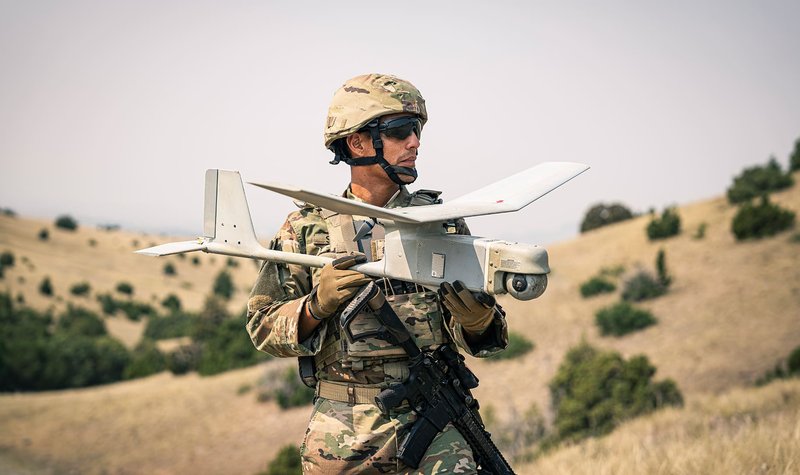
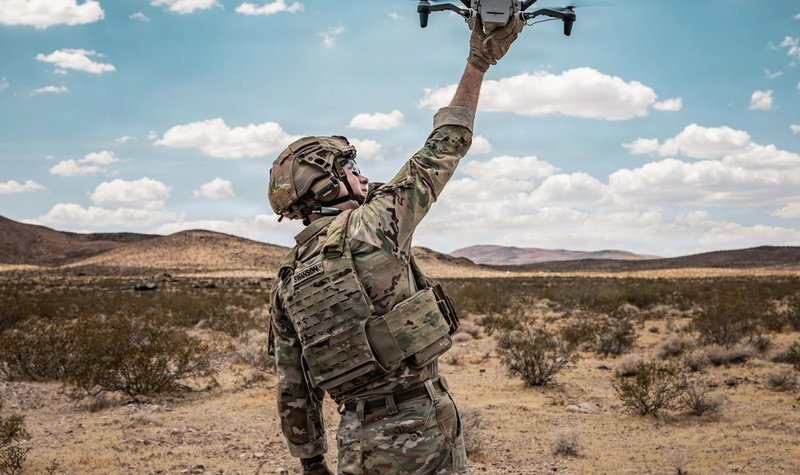
The RQ-11 Raven is being retired from service across most of its more than 30 operators. Defence Insight estimates that these Raven retirements open up a replacement market worth at least $576 million, but suppliers will have to act quickly...
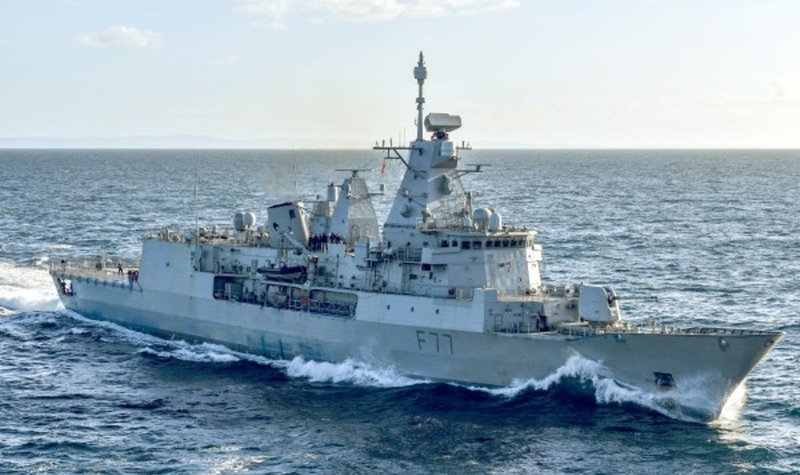
New Zealand’s evaluation of the Mogami and Arrowhead 140 frigate designs reflects a wider push for alliance interoperability, and points to a larger recapitalisation of the Royal New Zealand Navy fleet beyond the current programme.
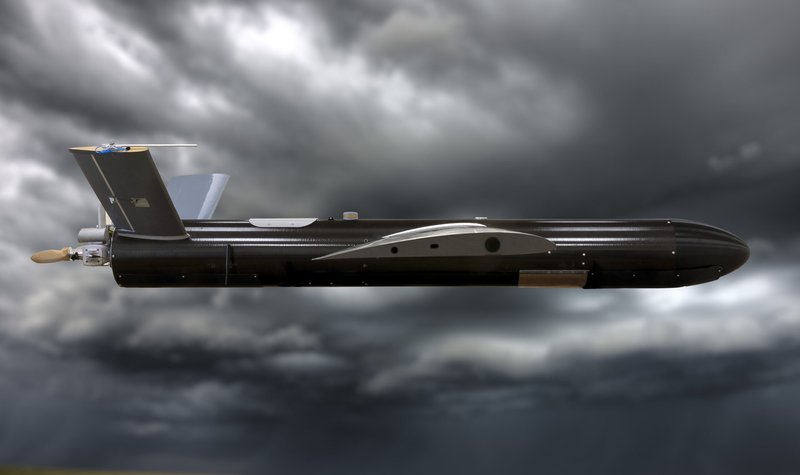
AEVEX has strengthened its position in the US loitering munition market with another contract award, solidifying its position as the second-largest supplier of the capability in the US. Elsewhere in August, new and emerging programmes in Sw...
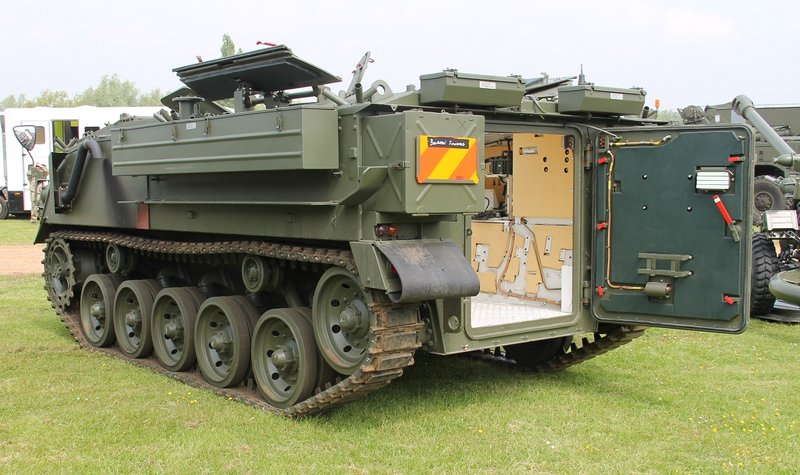
The British Army continues to face gaps in its armoured fighting vehicle fleet, with replacement plans for Warrior and FV432 still unresolved despite ongoing deliveries of Boxer and Ajax.
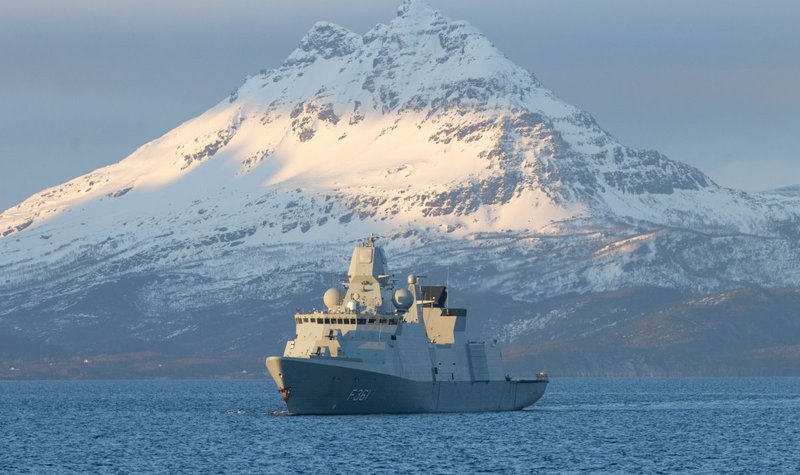
Babcock’s new Danish industry agreements have reignited debate over whether Copenhagen is edging towards a hybrid fleet blending crewed frigates with autonomous systems.
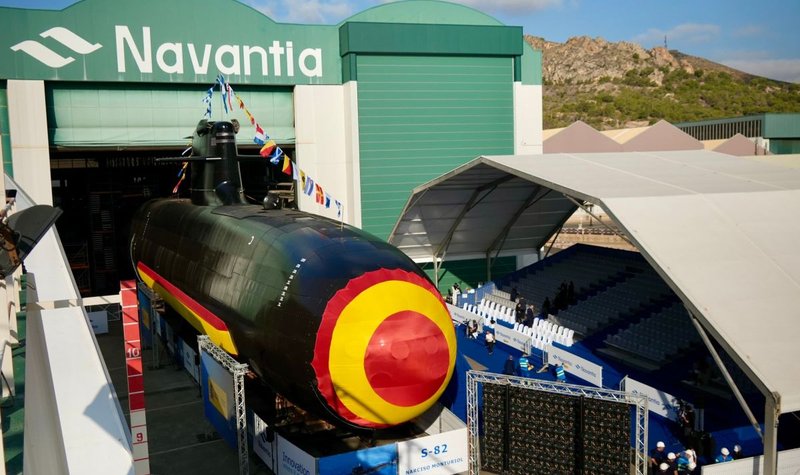
Spain’s naval modernisation drive is moving from concept to contracts, with RfIs and RfPs expected before the end of the decade, despite second-batch frigate and submarine numbers remaining undecided.
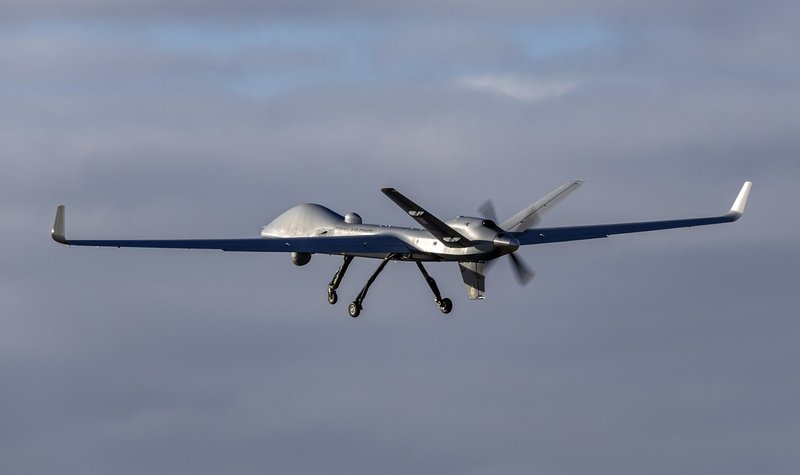
Saab Aerospace has seen as surge in orders for its Gripen fighter aircraft and GlobalEye airborne early warning and control systems, including an agreement to provide the latter to Canada, even as it positions Gripen for the same country.
The service wants a rapid-response, extended-range interceptor compatible with the Coyote launcher and wider US Army air-defence architecture, with initial testing scheduled for late 2026.
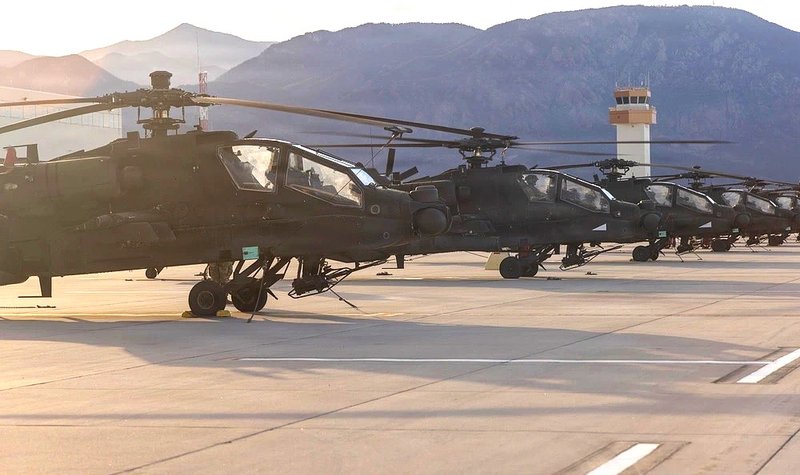
The rapid return to training leaves international AH-64 operators without a public explanation of whether the Fort Hood accident involved a potentially shared technical or maintenance risk.