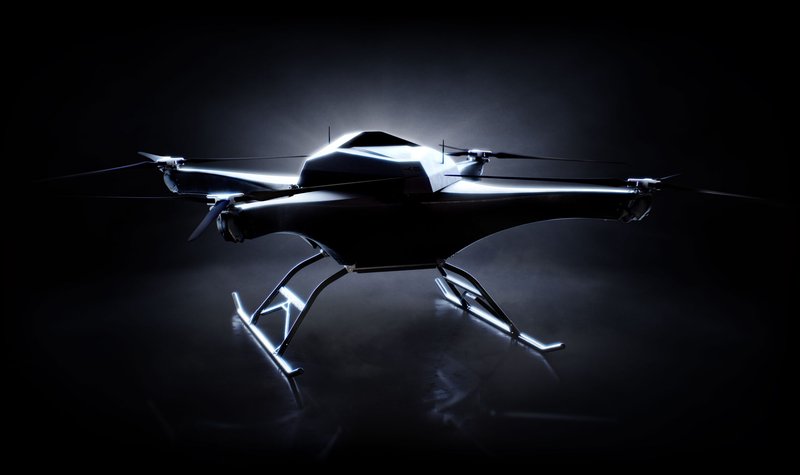
The UK is seeking to extend the operational reach of uncrewed aerial vehicles, reflecting growing demand for compact, energy-efficient technology to support beyond-line-of-sight operations.
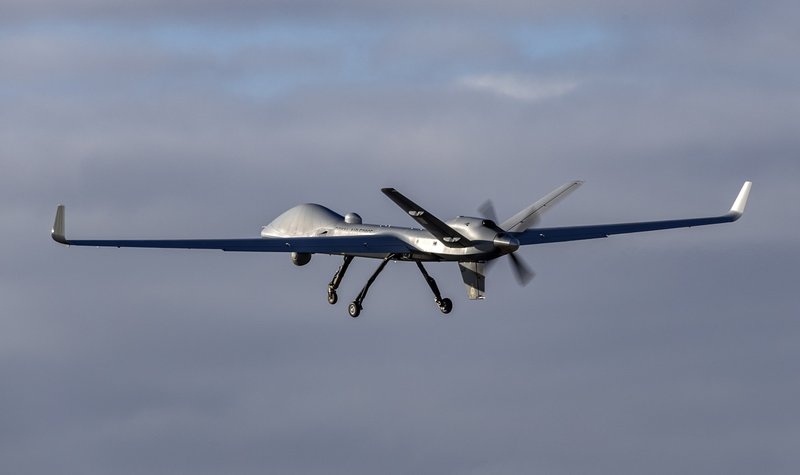
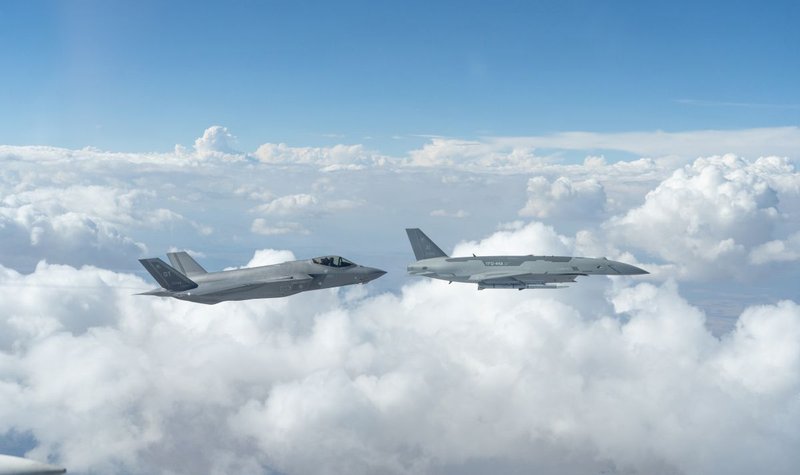
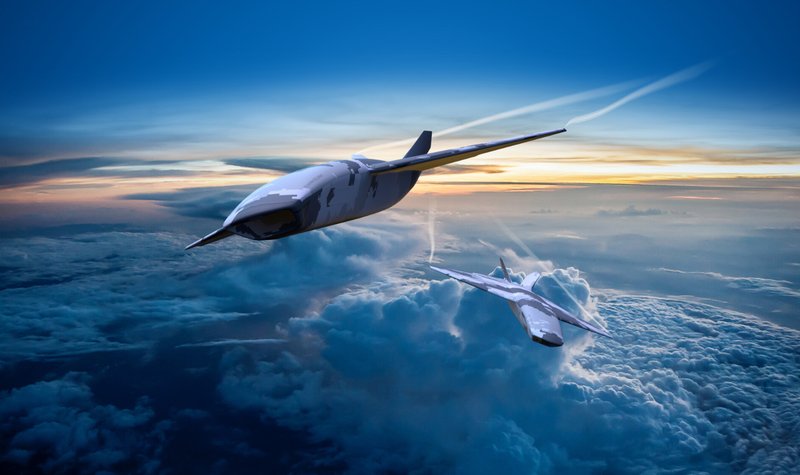
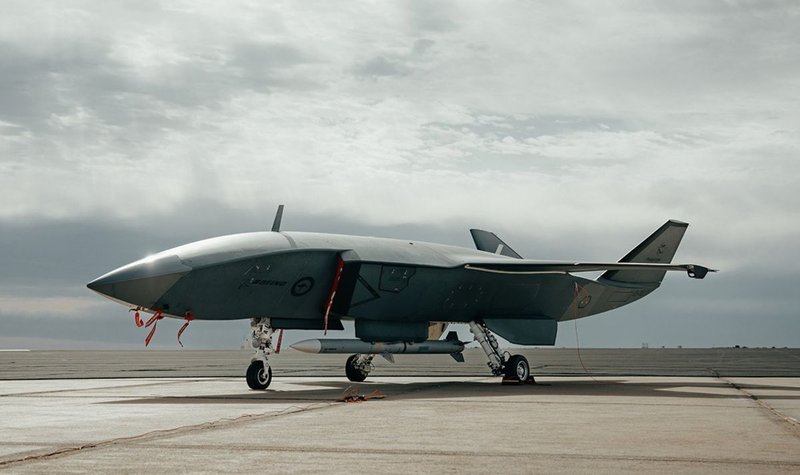
Northrop Grumman, Airbus and Anduril are positioning their uncrewed aerial vehicles for future collaborative combat aircraft contracts in a market that is forecast to exceed $36 billion.
Roman Köhne, CEO of Rheinmetall's Weapon and Ammunition Division, discusses the company's announcements at Eurosatory 2026, including developments in defence technology, precision systems, industrial ...
At Eurosatory 2026, Pearson Engineering's Group CEO Ian Bell talked about the company's role in delivering specialist armoured engineering, route-clearance and demining capabilities to military custom...
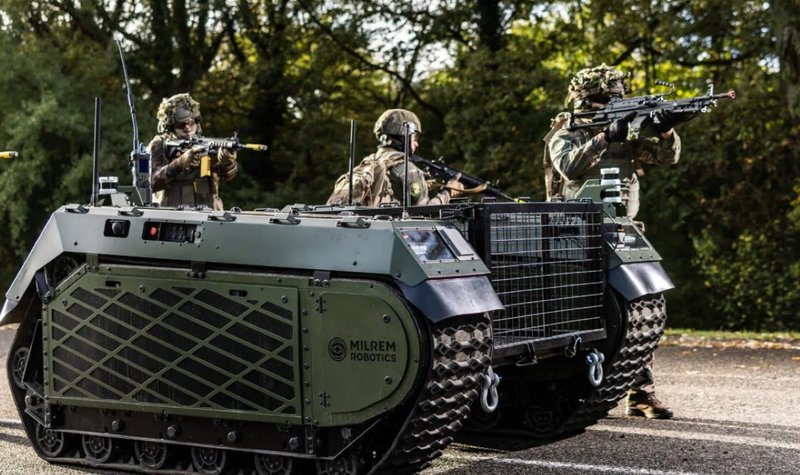
The next stage of the Integrated Modular Unmanned Ground System (iMUGS) programme, dubbed iMUGS2, was launched in November 2025. Three major demonstrations are planned before the end of 2028.
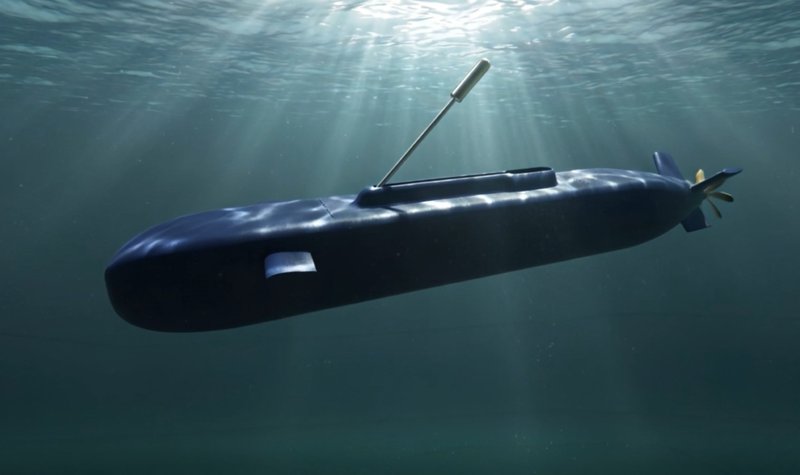
RTX told Shephard that the Hadalus UUV has been procured by the US Marine Corps and the Office of Naval Research for operational experimentation as the company prepares additional demonstrations with the US Navy, NATO and AUKUS partners.
Roman Köhne, CEO of Rheinmetall's Weapon and Ammunition Division, discusses the company's announcements at Eurosatory 2026, including developments in defence technology, precision systems, industrial partnerships and future capability progr...
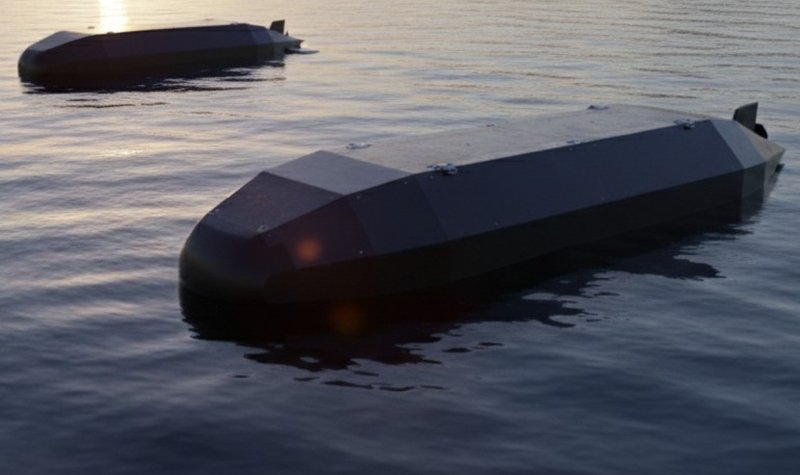
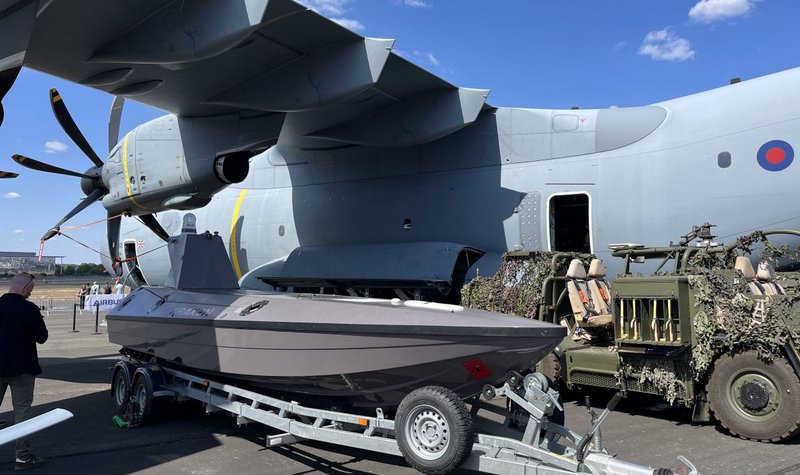
Kraken Technology Group’s A400M airdrop of a K3 Scout uncrewed surface vessel points to a new way for navies to insert USVs into contested waters, bypassing ports and motherships.
Farnborough International Airshow (FIA) 2026 revealed the growing scale of the UK’s uncrewed ambitions, with companies showcasing new CCA, autonomous wingmen and surveillance drones, while sovereign production emerged as a key factor for mu...
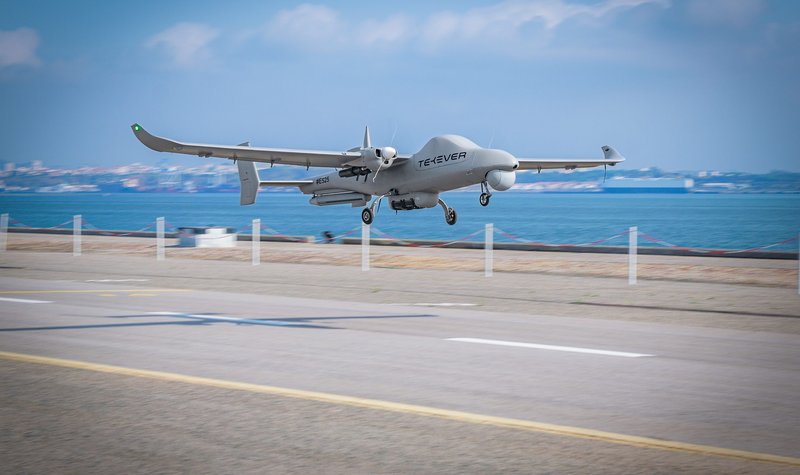
The UK’s choice of the Tekever AR5 for Project Corvus reflects a wider shift in military drone procurement towards solutions that centre on sovereignty and domestic production, moving away from overseas reliance.
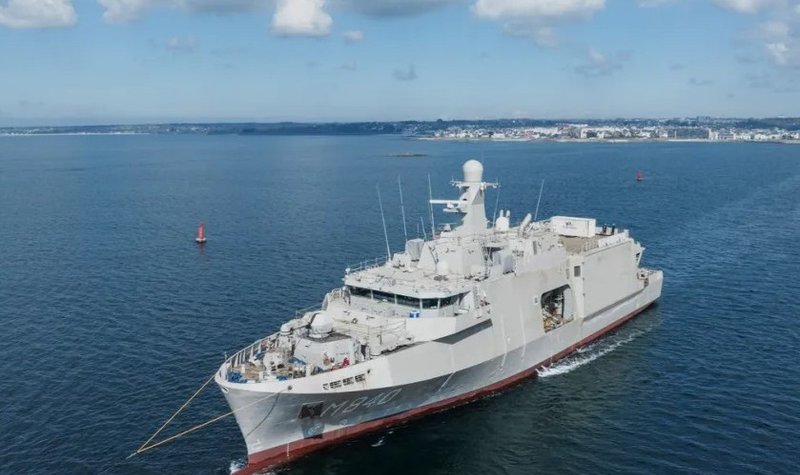
As the Belgian-Dutch replacement mine countermeasure programme progresses, it is becoming clear that motherships will be integral to future MCM operations. Seven years on from the programme’s inception, the impact of its forward-looking app...
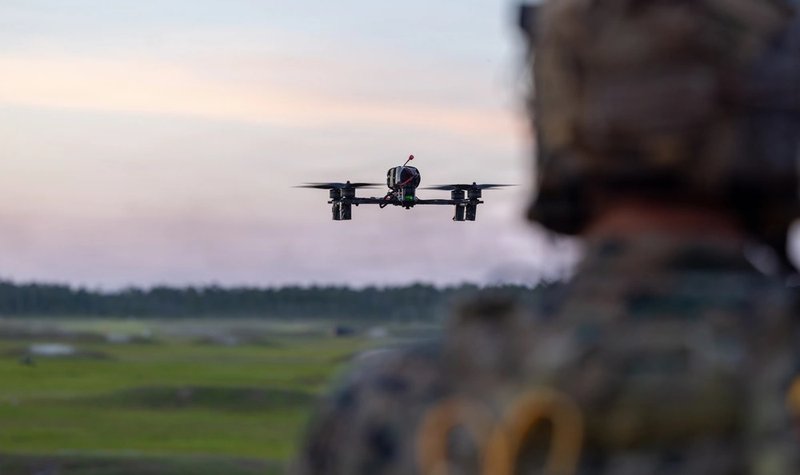
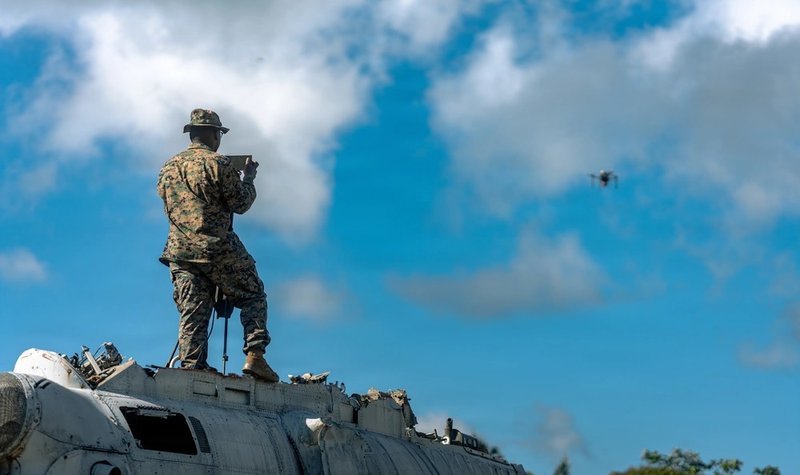
The USMC is transforming drones into standard equipment through major funding increases, standardised training, new doctrine and rapid battlefield adaptation, with nearly $820 million requested for UAS programmes in FY2027.
BAE Systems’ Malloy Aeronautics is seeking to expand the international customer base for its T-150 heavy-lift UAV, with NATO users beginning to adopt the platform and Australia identified as a key prospective market.
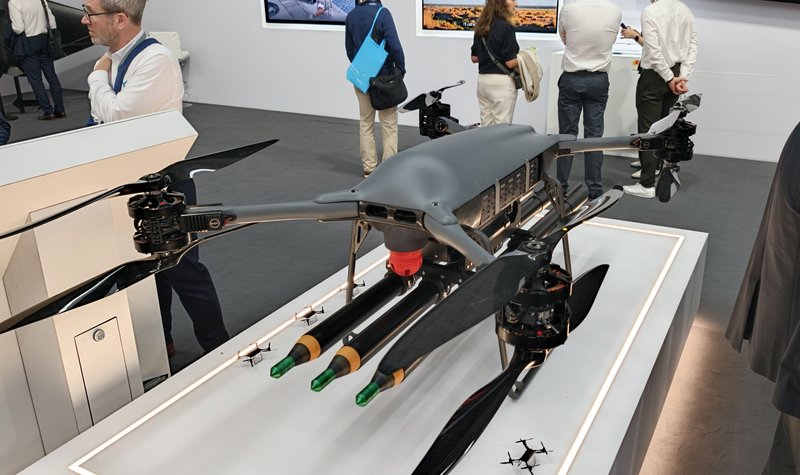
As Tekever positions its newly revealed UK-sovereign, autonomous heavy-lift drone family for the British Army's Project Nyx, the company is also eyeing an international future for the capability.
Boeing said demand for collaborative combat aircraft could outstrip what any single supplier can provide, as BAE Systems and Anduril unveiled new platforms at Farnborough International Airshow 2026.