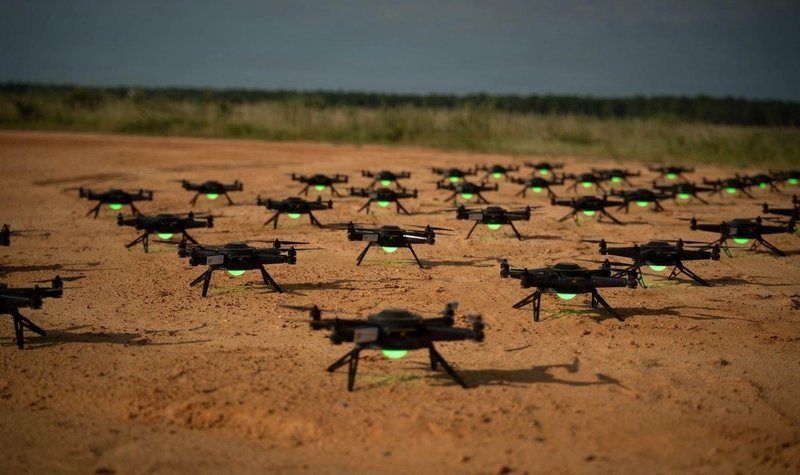
US Air Force, Army, Marine Corps and Special Operations Command initiatives signal demand for interoperable uncrewed systems control, creating opportunities for suppliers of hardware, software and integration services.
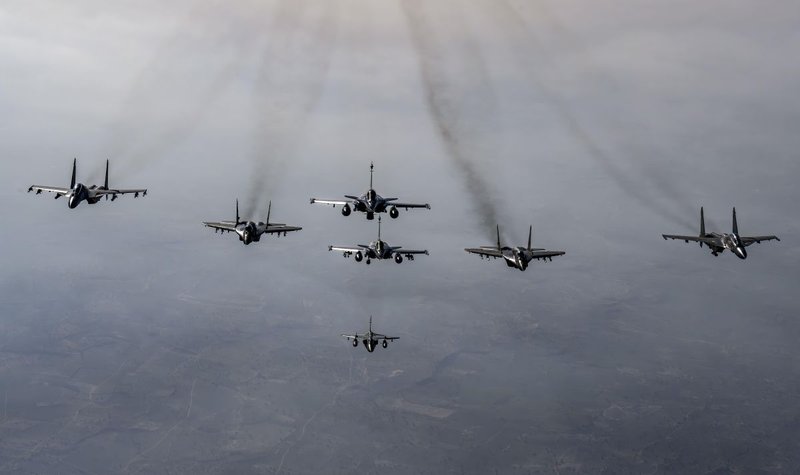
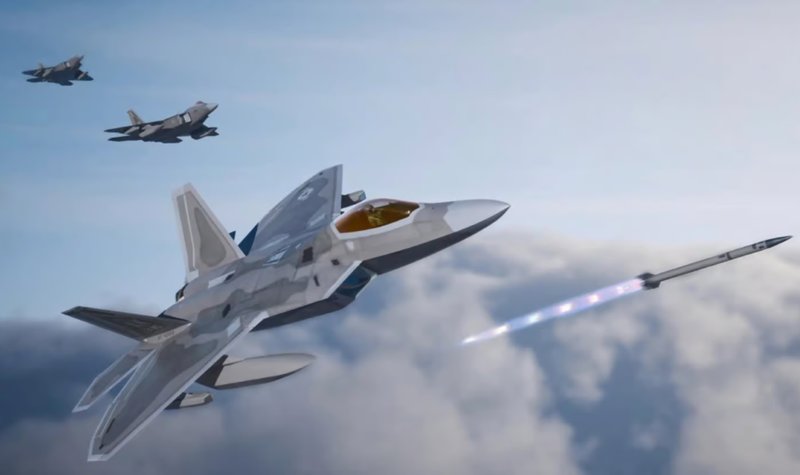
As global air combat operations continue to evolve at a rate not seen for decades, what will the next generation of air-to-air weapons look like, and what missions will they need to fulfil?
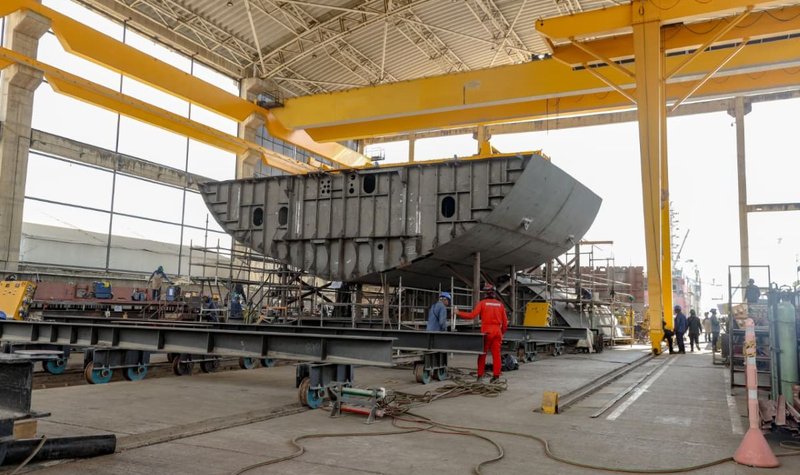
Multiple Latin American navies are modernising their fleets by prioritising domestically manufactured surface vessels and even submarines via international partnerships.
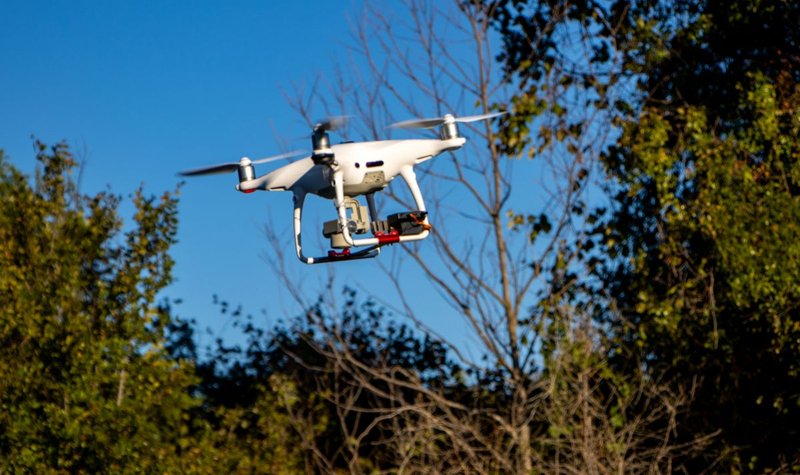
As countries increasingly move away from Chinese drone manufacturing and focus on domestic production and collaboration, Europe and the US are well-placed to step in – although cost remains a crucial consideration.
The US Army and USAF are evaluating an AI-enabled imaging capability from Deepnight designed to enhance low-light and no-light operations across multiple platforms and environments.
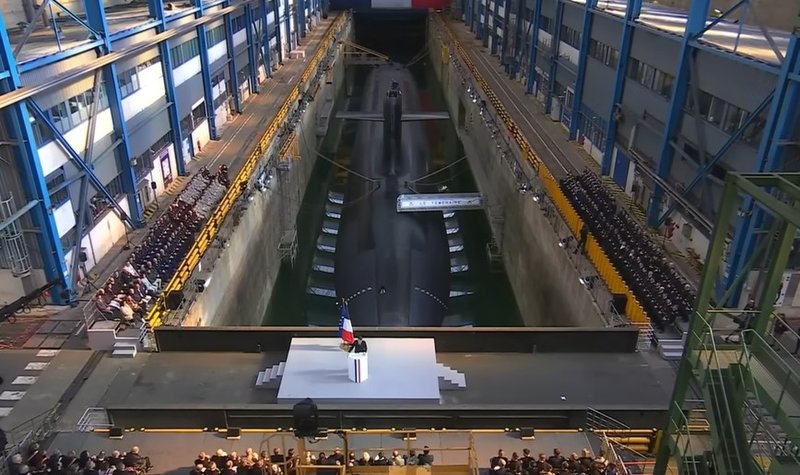
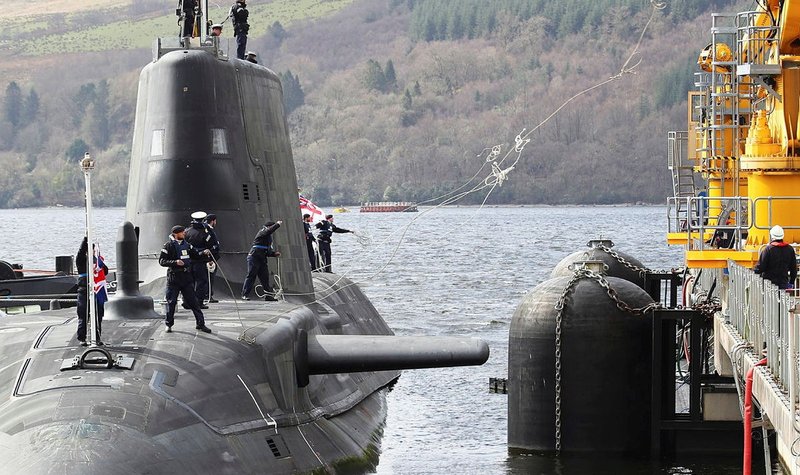
The UK MoD’s Programme Euston floating dry dock tender has exposed a question about the UK’s naval industrial base: does Britain still have the depth to sustain its own deterrent without foreign intervention.
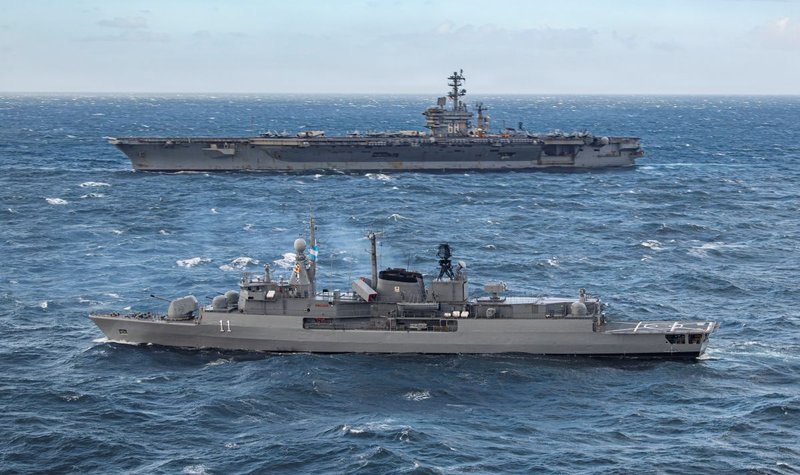
Post-Falklands political constraints have eroded Argentina’s naval capability, leaving its maritime territory, which is twice the size of its land area, increasingly vulnerable to illegal fishing fleets. As procurement modernisation slowly ...
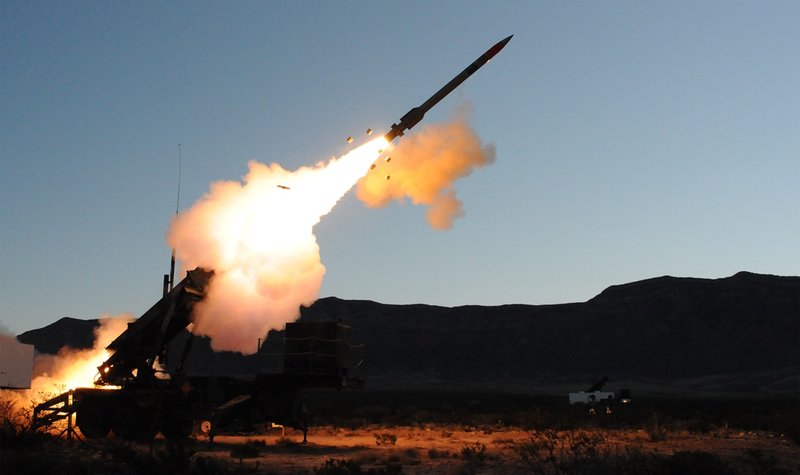
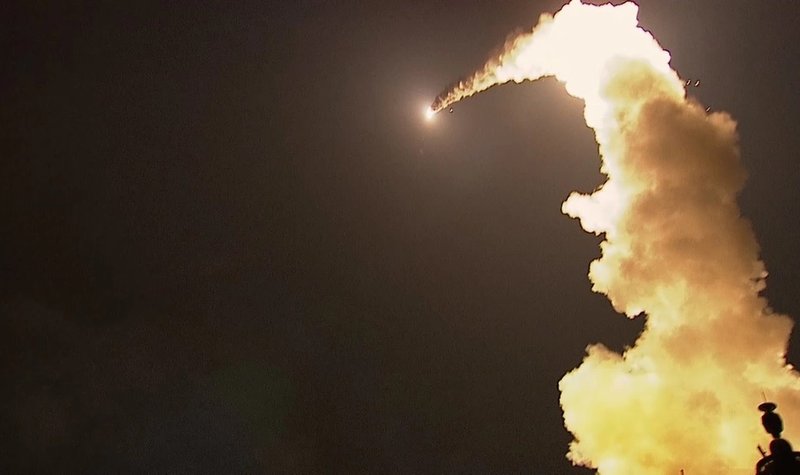
The fast-tracked emergency approvals come as the conflict in the Middle East stretches out into its third month, after Iranian attacks depleted US allies’ missile stockpiles and testing air defence systems.
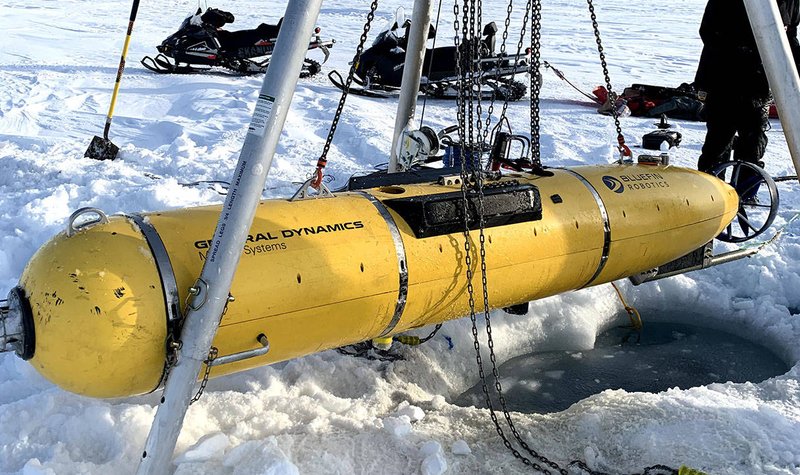
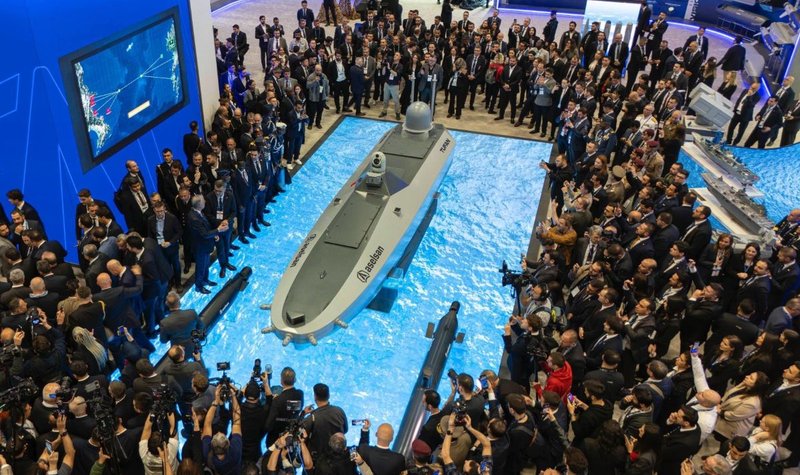
Turkey’s defence electronics company has unveiled two new uncrewed naval systems at SAHA 2026 – but the harder test will be converting it into an export success.
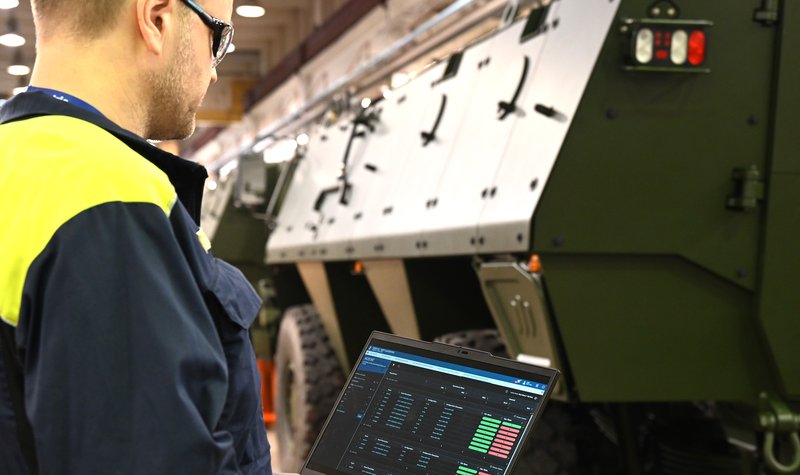
As militaries face an overwhelming flow of data, the challenge is shifting from collection to delivering fast, actionable insights that drive decision-making. Advances in AI and data integration are helping armed forces move beyond siloed s...
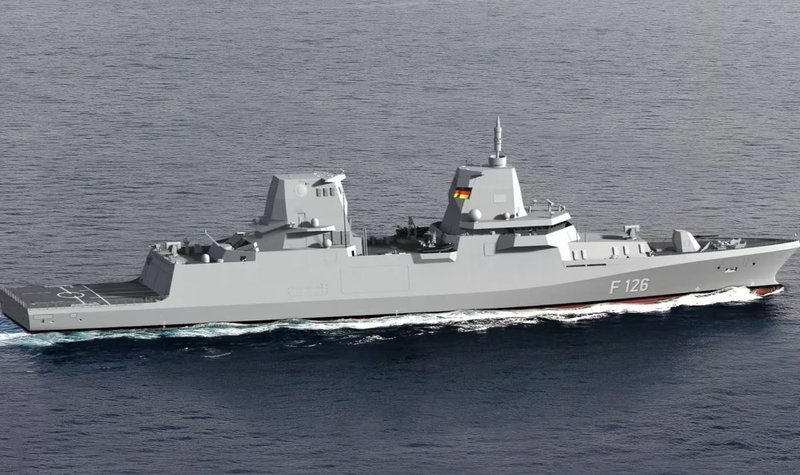
With the Tamandaré frigate commissioned and a second batch under negotiation, Brazil is leveraging European partnerships to position itself as South America’s premier maritime power without surrendering industrial sovereignty.
The Naval Sea Systems Command exercised a US$335 million modification to a contract with RTX Raytheon to support increasing the production of Standard Missiles 6 by 2030. Shephard spoke with the company president about how the company has s...