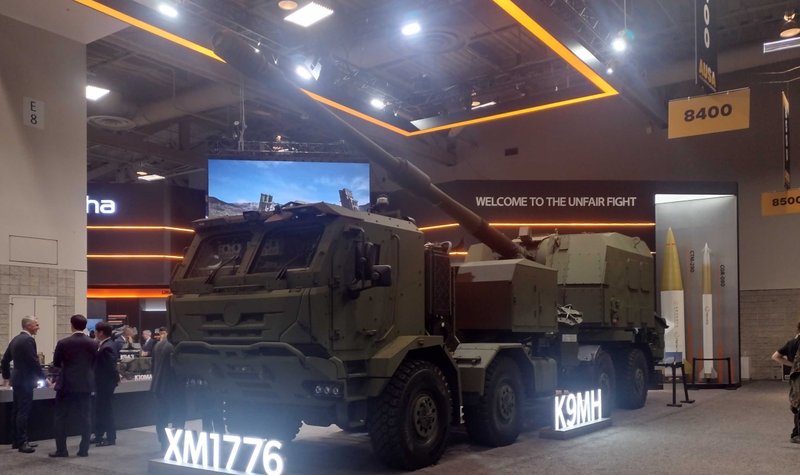
Non-US companies are increasingly looking to establish subsidiary and partnerships to access the potential billions of dollars of vehicle and land systems contracts and there has already been some success.
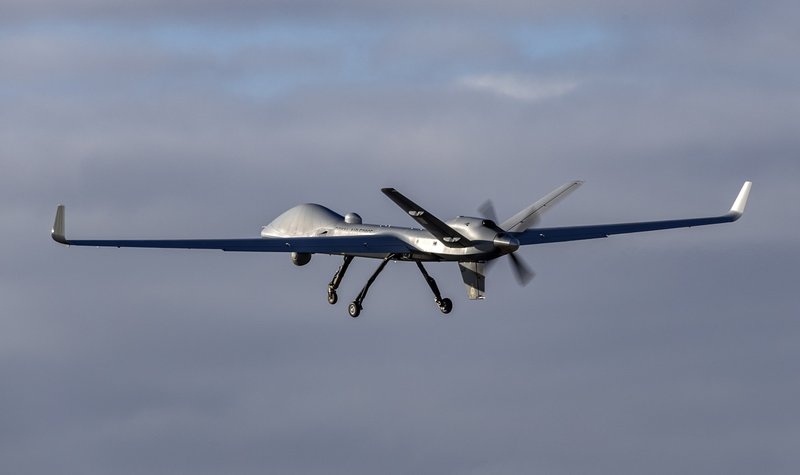
The UK is seeking to extend the operational reach of uncrewed aerial vehicles, reflecting growing demand for compact, energy-efficient technology to support beyond-line-of-sight operations.
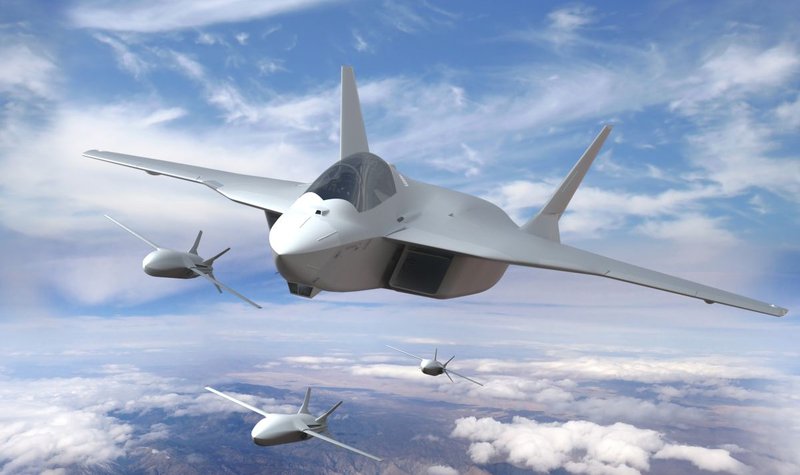
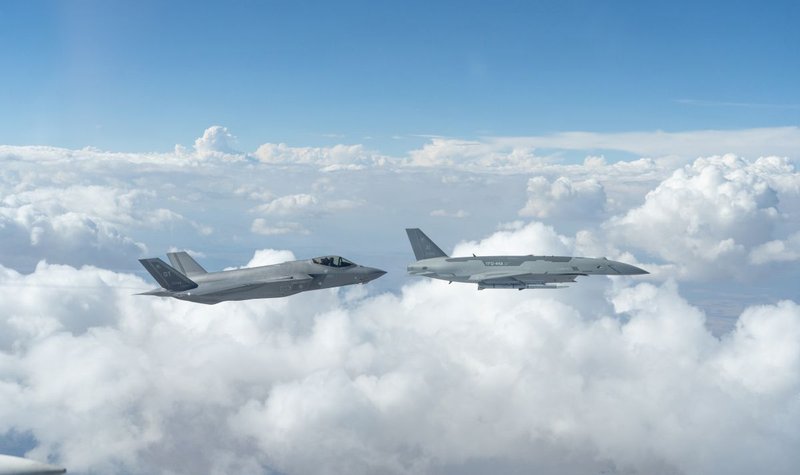
Sweden is an outlier as a smaller nation with its own indigenous fighter aircraft and airborne early warning platform and is now looking at how local company Saab Aerospace can meet the plans for a collaborative combat aircraft.
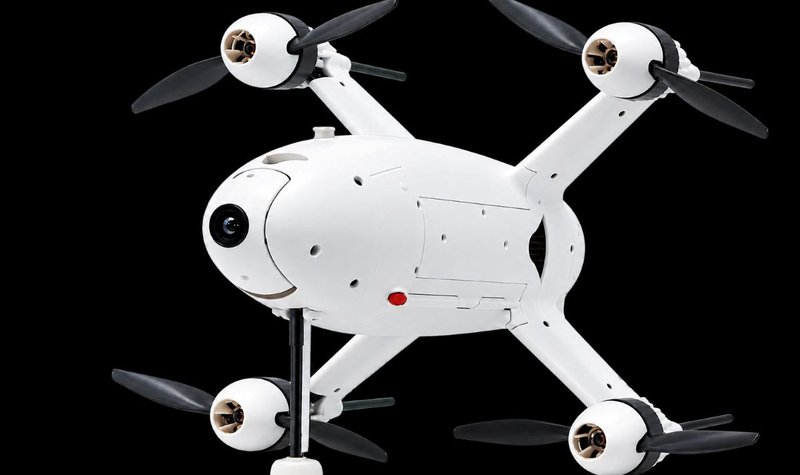
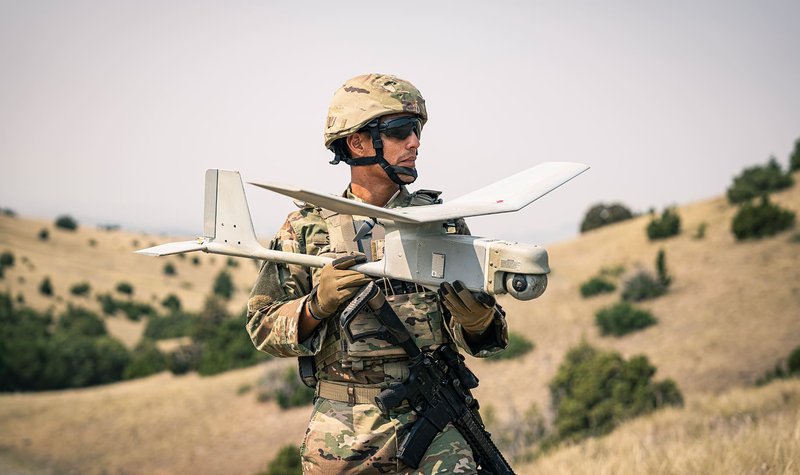
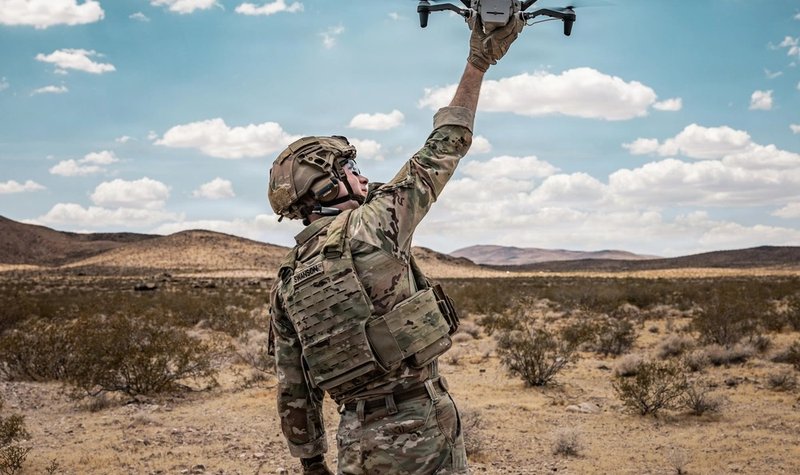
The RQ-11 Raven is being retired from service across most of its more than 30 operators. Defence Insight estimates that these Raven retirements open up a replacement market worth at least $576 million, but suppliers will have to act quickly...
AEVEX has strengthened its position in the US loitering munition market with another contract award, solidifying its position as the second-largest supplier of the capability in the US. Elsewhere in August, new and emerging programmes in Sw...
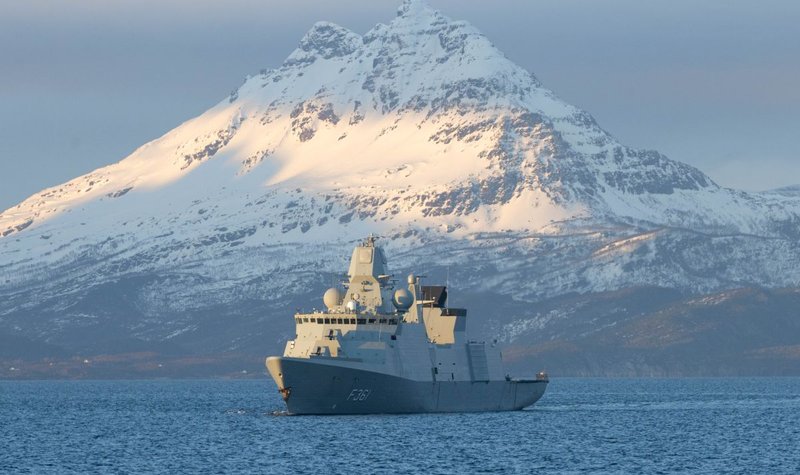
Babcock’s new Danish industry agreements have reignited debate over whether Copenhagen is edging towards a hybrid fleet blending crewed frigates with autonomous systems.
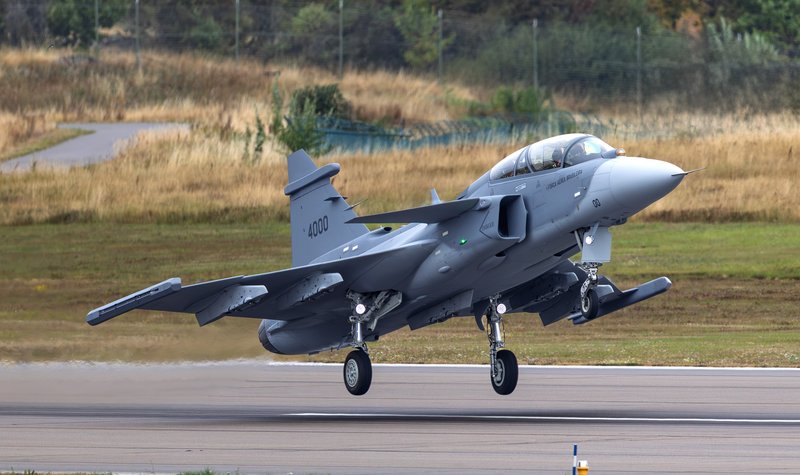
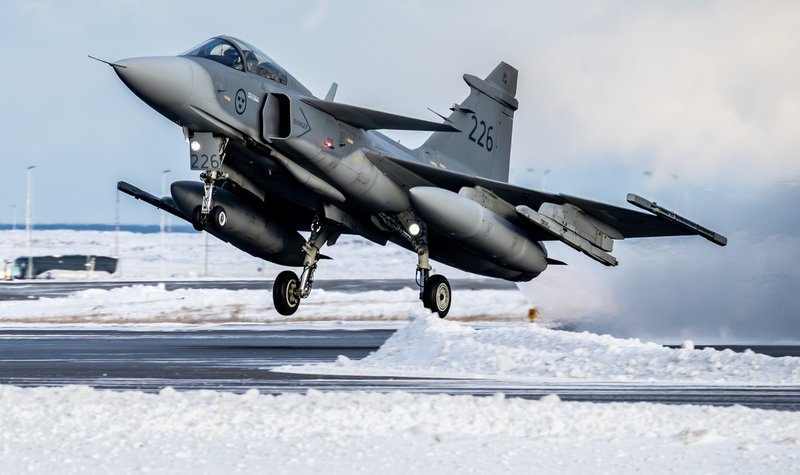
Saab Aerospace has seen as surge in orders for its Gripen fighter aircraft and GlobalEye airborne early warning and control systems, including an agreement to provide the latter to Canada, even as it positions Gripen for the same country.
The service wants a rapid-response, extended-range interceptor compatible with the Coyote launcher and wider US Army air-defence architecture, with initial testing scheduled for late 2026.
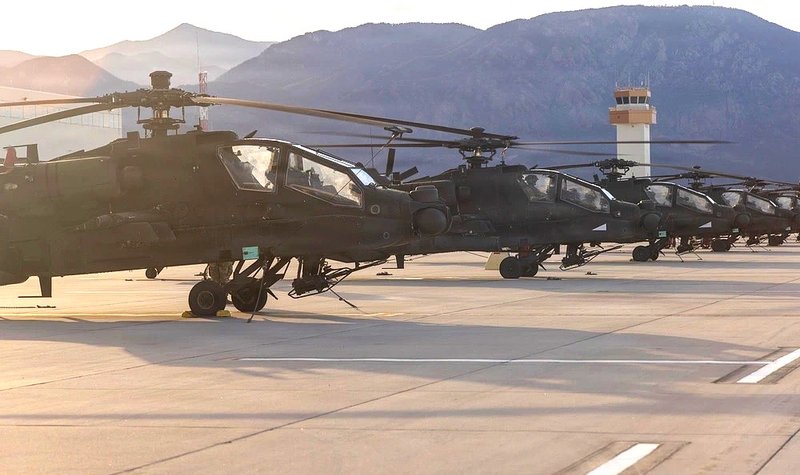
The rapid return to training leaves international AH-64 operators without a public explanation of whether the Fort Hood accident involved a potentially shared technical or maintenance risk.
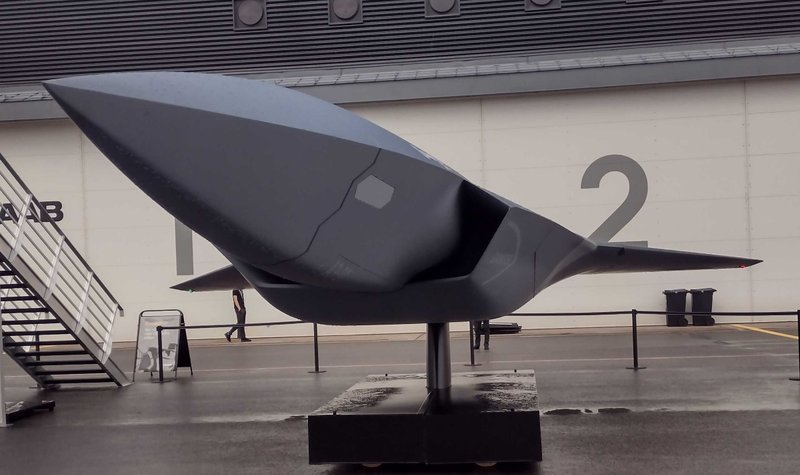
Saab expects to fly two collaborative combat aircraft demonstrators, A1 and A2, before the end of the decade, but has stressed that the A3-001 mock-up unveiled on 21 August is only a concept for what could follow in the 2030s.
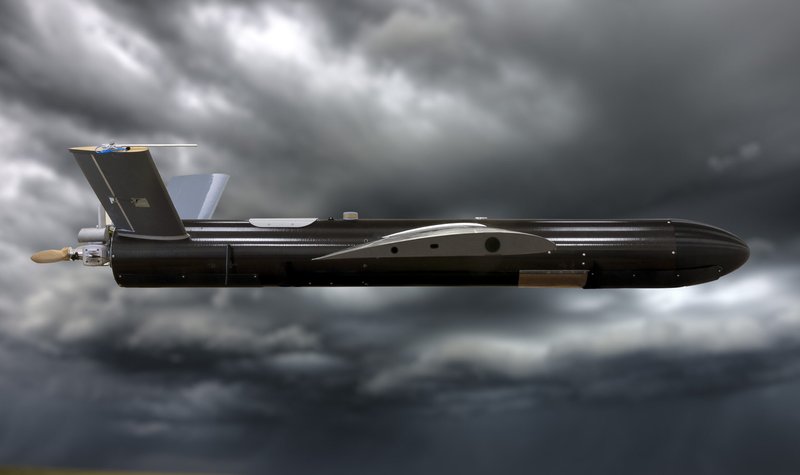
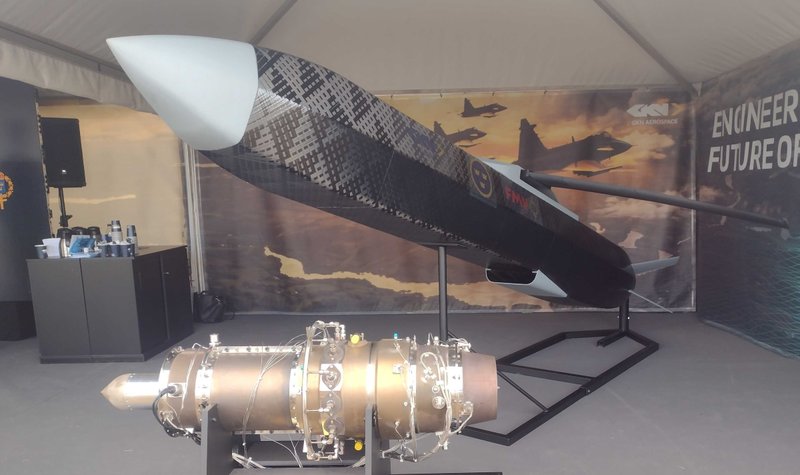
A mock-up displayed by GKN Aerospace on 21 August is planned to have a maximum range between 600km and more than 1,000 km with a payload capacity of 100-300kg.
Participation in the French-led programme could provide India with access to sixth-generation technologies but force difficult choices over AMCA, TEDBF and indigenous propulsion development.