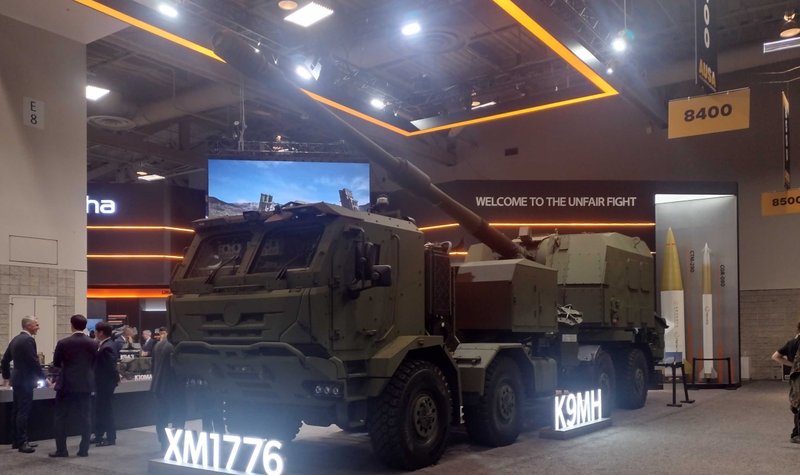
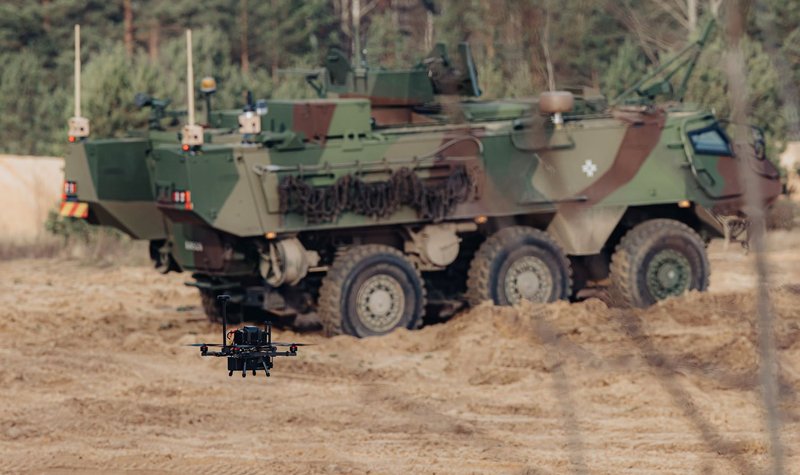
Non-US companies are increasingly looking to establish subsidiary and partnerships to access the potential billions of dollars of vehicle and land systems contracts and there has already been some success.
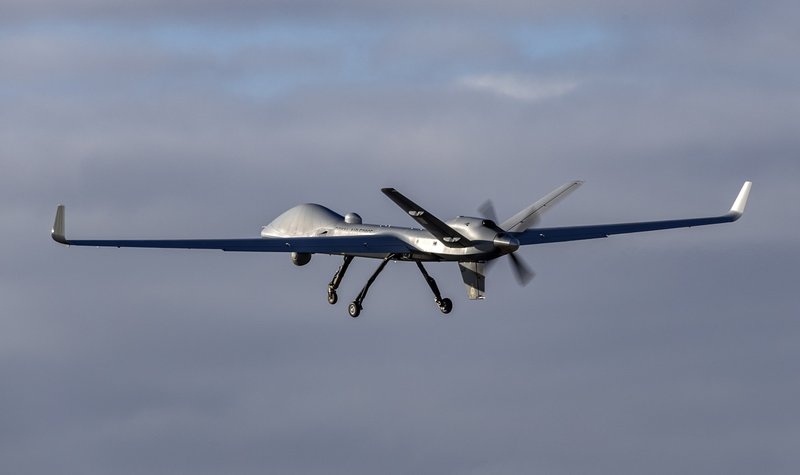
The UK is seeking to extend the operational reach of uncrewed aerial vehicles, reflecting growing demand for compact, energy-efficient technology to support beyond-line-of-sight operations.
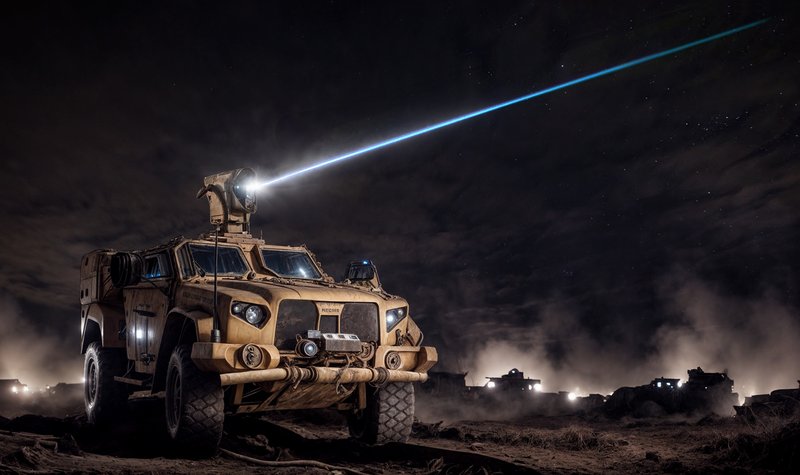
Laser-based air defence is moving from promise to deployment as global threats evolve. In this special podcast, we explore how high-energy laser systems are reshaping interception strategies.
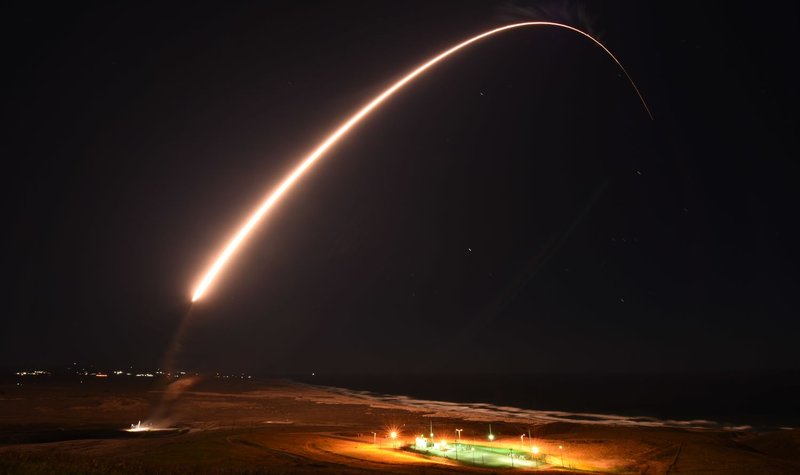
The 2025 NSS has emphasised investment in the US nuclear and air defence inventory and national industry, but it leaves multiple unanswered questions on how the White House will implement this approach.
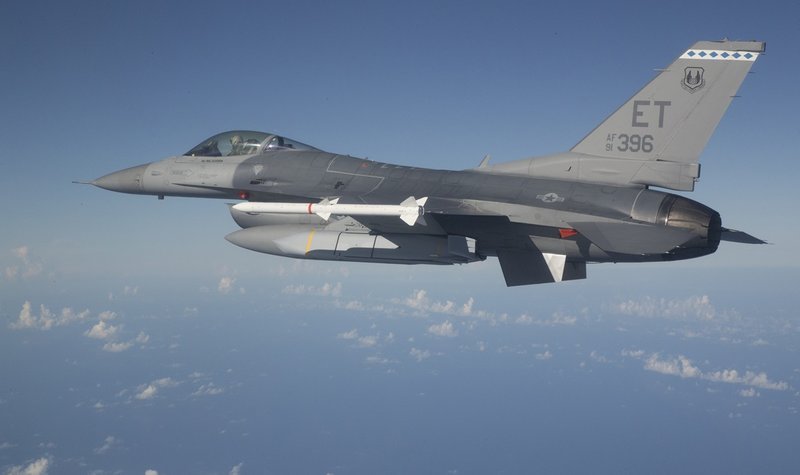
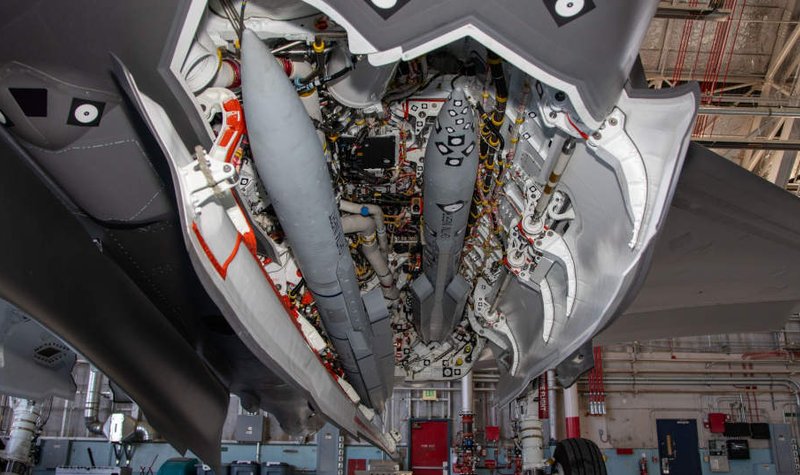
Italy could field the JASSM-ER for its combat aircraft including the F-35, while Denmark has been approved for AMRAAM and an Integrated Battle Command system procurement.
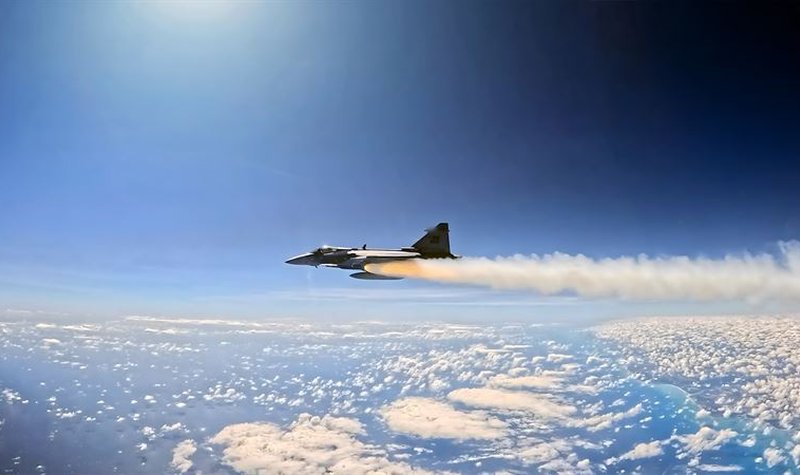
The major milestone for the beyond-visual-range air-to-air missile was conducted in November and expands the capabilities of the air force’s growing Gripen E fleet.
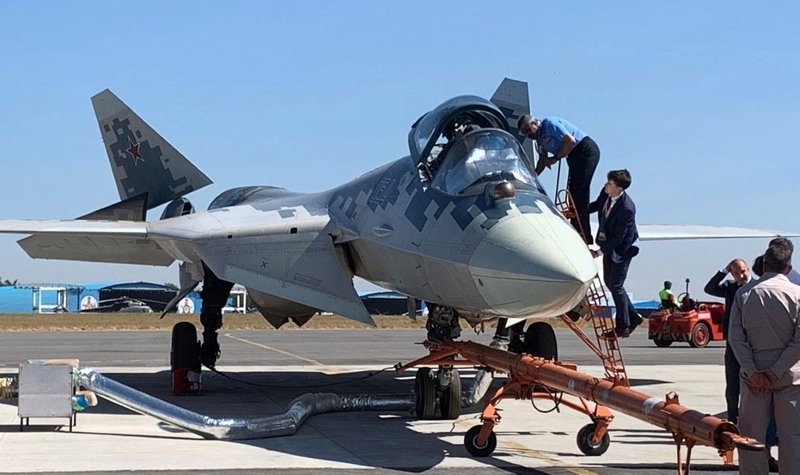
Engine technology has been thrust into the spotlight ahead of Russian President Vladimir Putin’s visit to India this week, with the Su-57, S-400 and Kamov-226 expected to be high on the agenda.
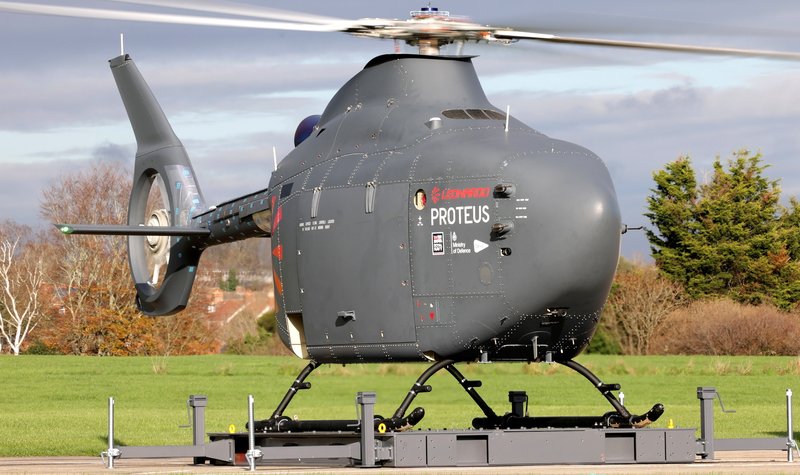
The technology demonstrator forms part of a wider effort to help the Royal Navy explore the potential of uncrewed systems supporting its existing crewed aviation platforms.
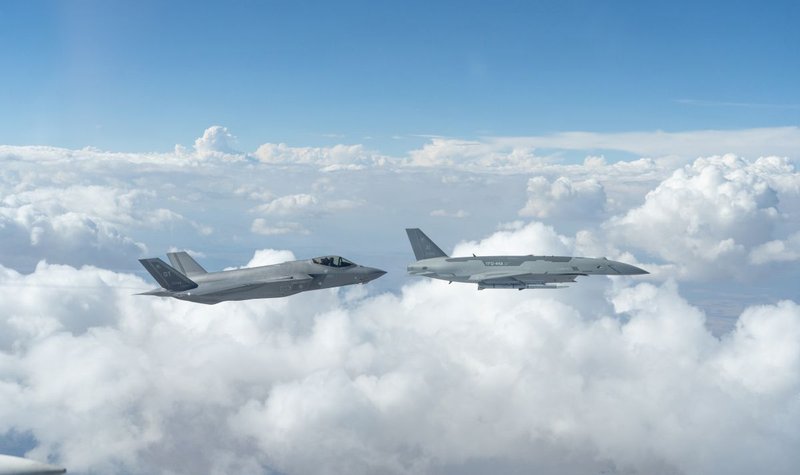
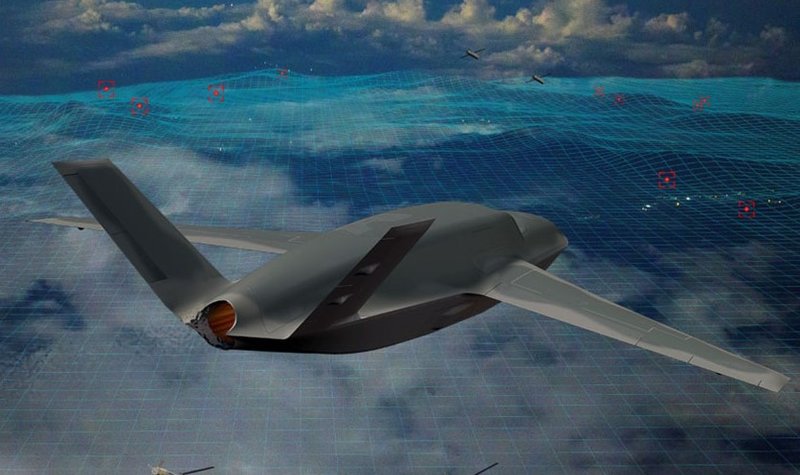
In November 2025, GA-ASI unveiled a new Gambit variant, the Gambit 6, and appears to be pitching the aircraft series to various customers in the Middle East, which is a fast-emerging CCA market. The Dubai Airshow also saw the unveiling of v...