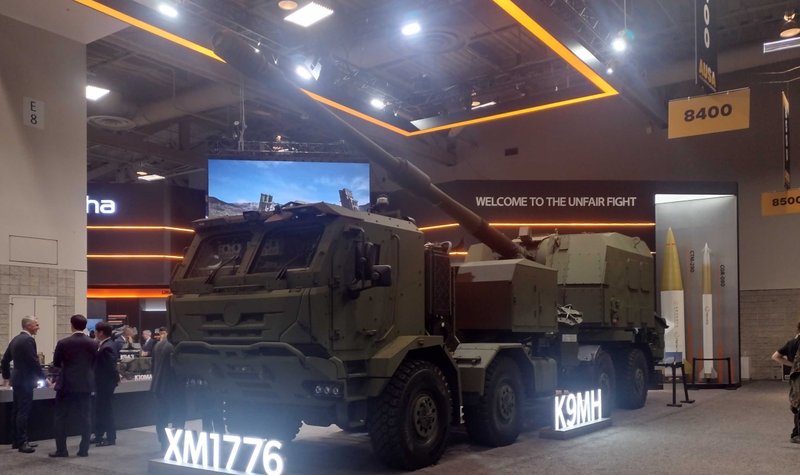
Non-US companies are increasingly looking to establish subsidiary and partnerships to access the potential billions of dollars of vehicle and land systems contracts and there has already been some success.
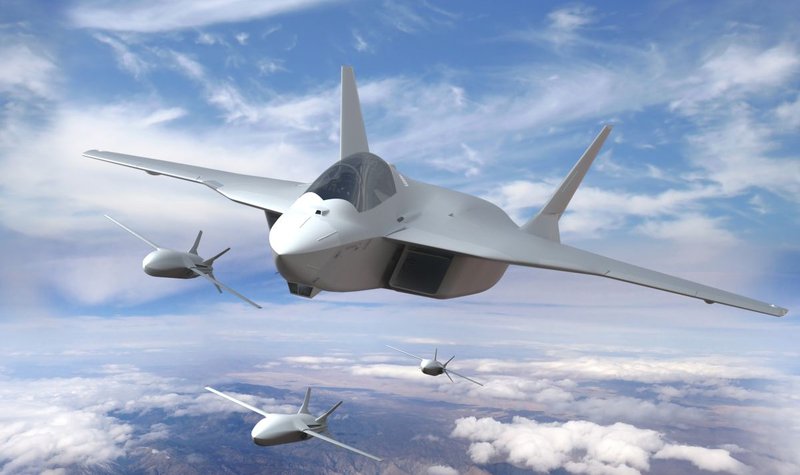
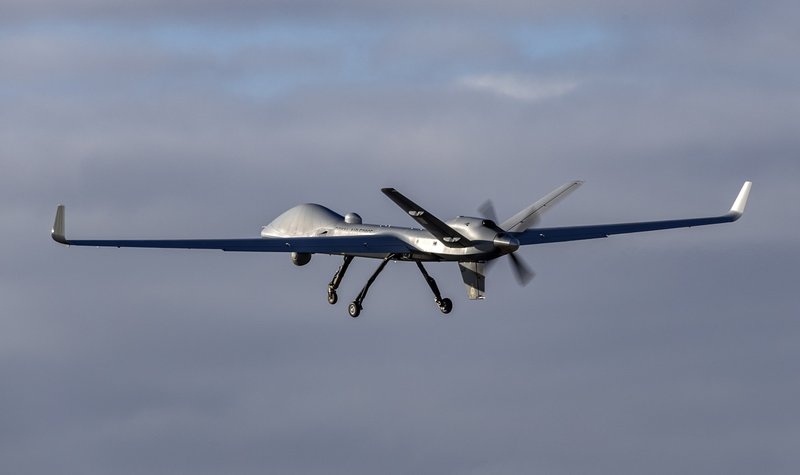
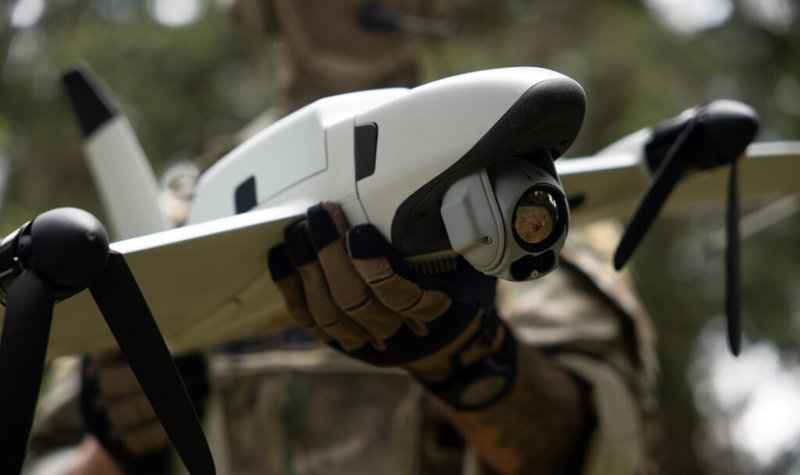
The UK is seeking to extend the operational reach of uncrewed aerial vehicles, reflecting growing demand for compact, energy-efficient technology to support beyond-line-of-sight operations.
The US Army is keen to hear about vendor designs, strategies and potential hardware and software solutions to inform requirements for procurement efforts.
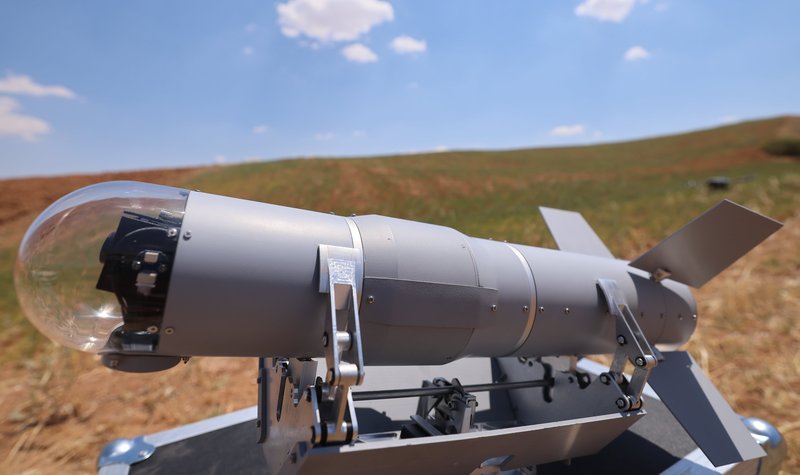
Top attacks have proven effective against heavily armoured vehicles in Ukraine. A new family of uncrewed aerial system-delivered munitions is looking to press that advantage further.
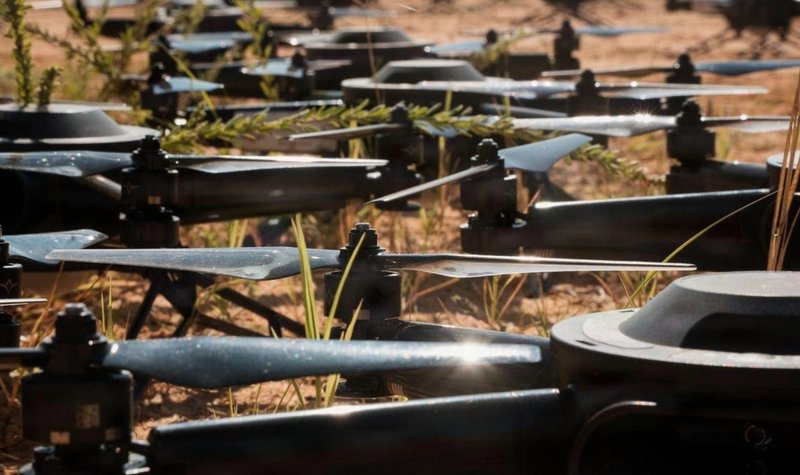
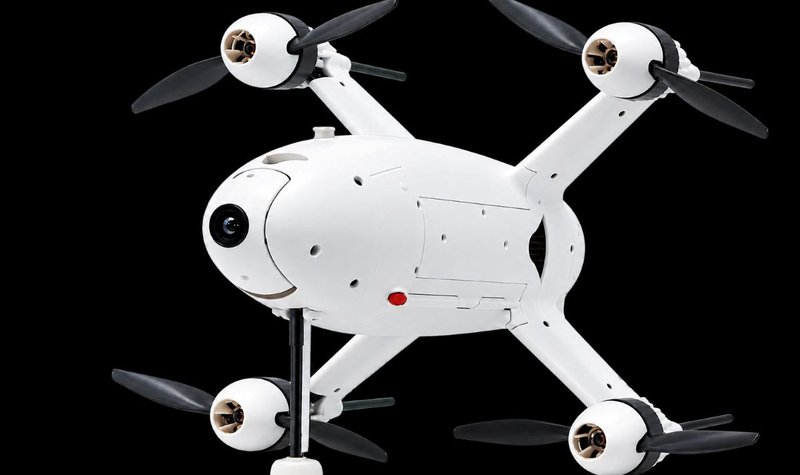
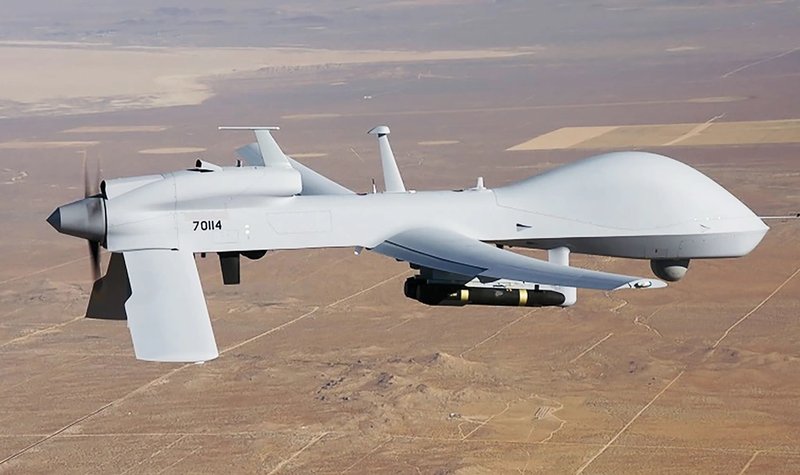
One of the key trends seen in December has been the rise in indigenous investment within the UAV market, particularly across certain countries, with Germany, Australia and the US focusing on their commitments to sovereign development.
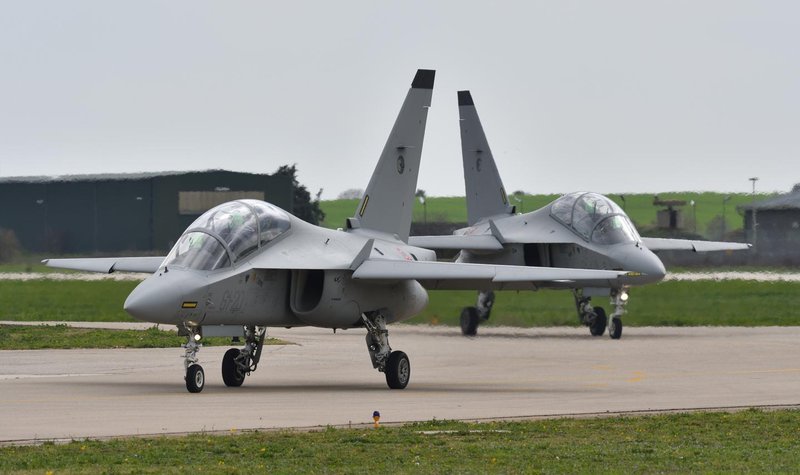
Changing roles for combat aircraft fleets, the rise of simulation and LVC technologies, and the increasing cost of flight hours could all be leading to a paradigm shift in military pilot training.
Disruption of infrastructure in Europe, whether by cyberattack, physical damage to pipelines or uncrewed aerial vehicles flying over major airports, as has happened more recently, is on the rise. What is the most effective way of countering...
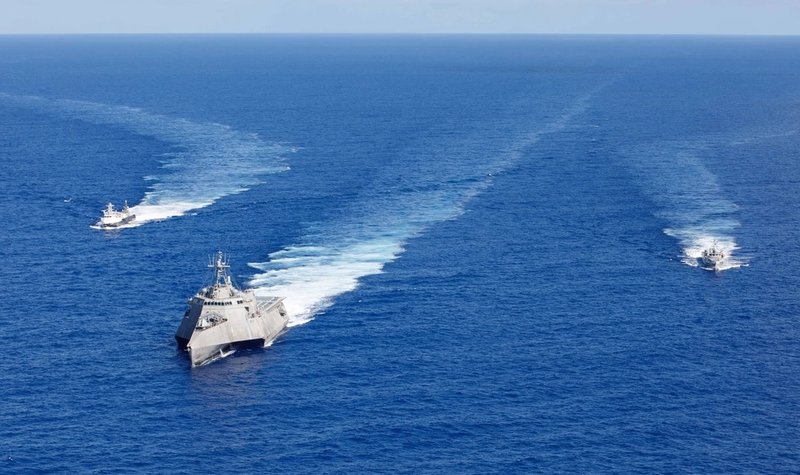
The Technology Operational Experimentation Events will inform future requirements as the US Navy looks for innovative solutions across three key operational domains.
This year’s (geo)political turmoil has challenged many long-prevailing assumptions, leading to far-reaching consequences for air forces and their supplier bases in industry worldwide – with five key trends in review for 2025.
With a rising defence budget and equipment list, Poland’s air market is set to grow as the country continues to modernise its transport and helicopter fleets while seeking out uncrewed aerial vehicles and loitering munitions.
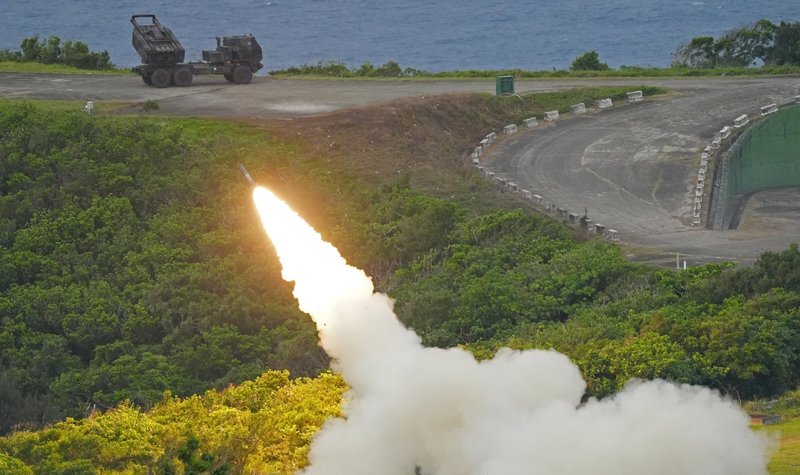
The US State Department’s approval of a multi-billion-dollar sale of weapons to Taiwan includes tactical mission networks equipment, uncrewed aerial systems, artillery rocket systems and self-propelled howitzers as well as anti-tank guided ...
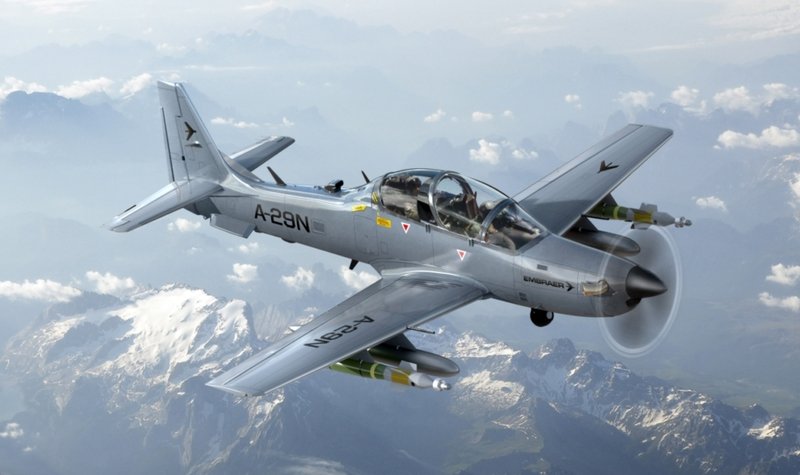
As the launch customer for the NATO-configured variant, Portugal also took delivery of the first five A-29N aircraft from its order for 12, placed in 2024.