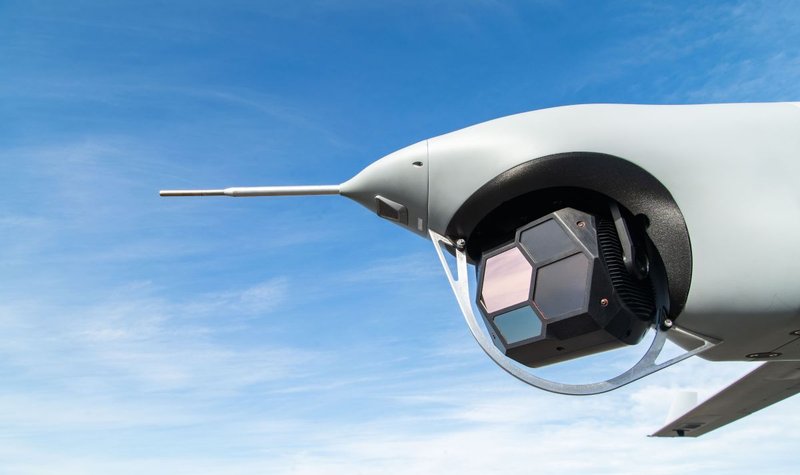
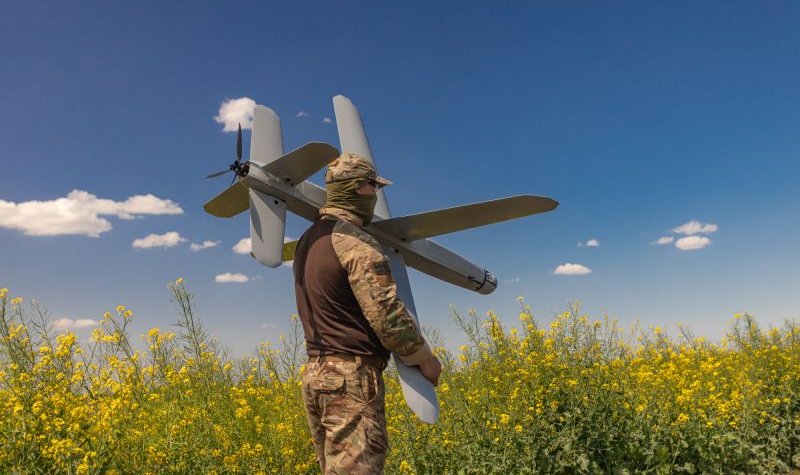
The Czech Republic’s shift towards smaller uncrewed aerial vehicles has reshaped its procurement priorities, leaving nearly three-quarters of the market unawarded. Yet with this value concentrated in just two programmes, the highest-value opportunities could contain a high level of risk.
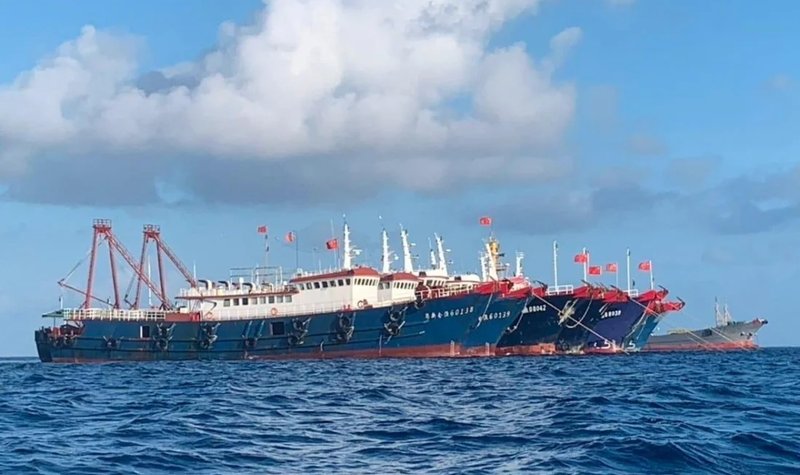
With record deployments in the South China Sea and a newly reported sighting east of Taiwan, China’s maritime militia is putting greater pressure on regional surveillance. How can navies establish what these vessels are doing quickly and reliably enough to respond?
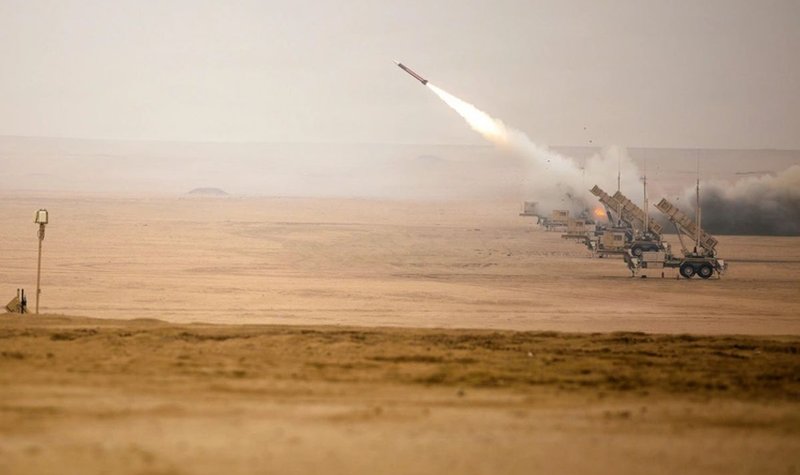
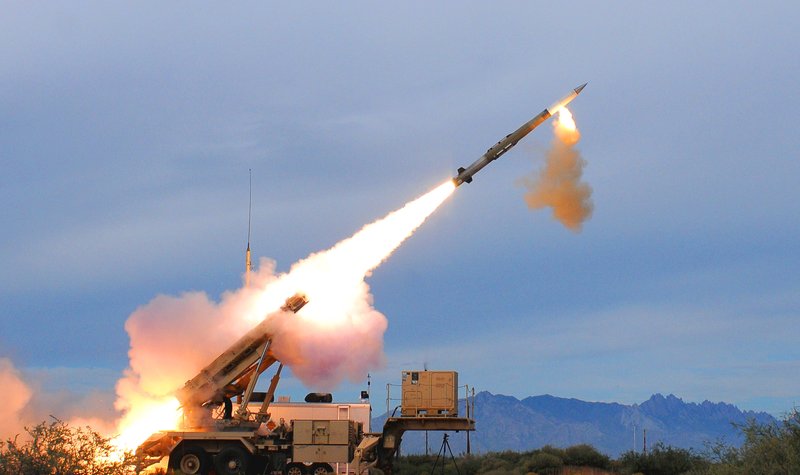
Recent conflicts have created a surge in interceptor demand worldwide while exposing potential supply chain challenges, positioning India as a cost-effective partner and scalable supplier.
The report comes as heads of industry bodies warn that the delayed defence spending plan has left smaller and medium sized businesses in stasis, unable to plan or seek out further investment.
The attack by the US and Israel on Iran which began at the end of February presented a Ukraine-like scenario of drone-led warfare – in fact the same drone type in the Shahed – and the problem of how to counter them.
Norway first scoped the requirement in 2022, and included it in a defence strategy document in 2023. The announcement of a new framework agreement appears to have breathed fresh life into the effort.
The effective use of the Shahed-136 in the Iran war has highlighted the need for countries to acquire a domestically produced, low-cost, long-range loitering munition, with the US, Turkey and European nations all at various stages of develo...
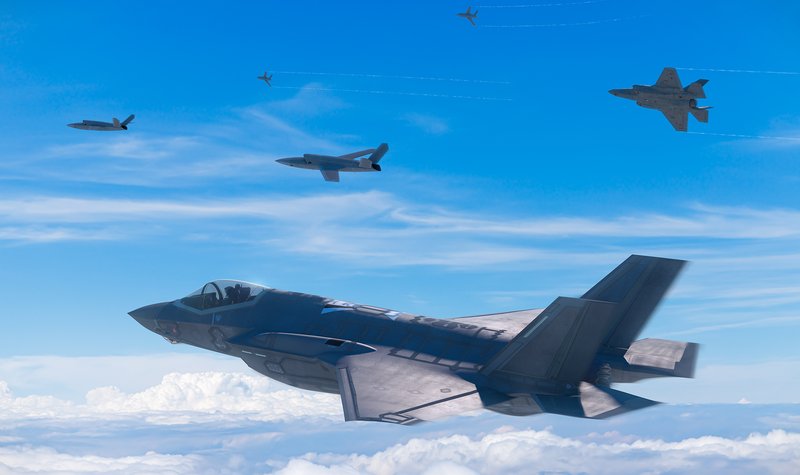
The disagreement between French-German industry continues as both governments work to keep the programme alive and on track to develop and deliver a sixth-generation fighter jet.
The USAF is seeking on-the-move systems, subsystems or technologies capable of defending airbases and fixed and semi-fixed sites against small drone attacks.
Norway’s funding boost will help the country reach 3.5% of GDP on defence spending by 2035, with autonomous systems part of the long list of priorities alongside frigate acquisition and development of a new Finnmark Brigade.
Growing capability gaps caused by ageing Soviet-era platforms in Africa and Asia are creating opportunities, as disrupted supply chains and sanctions open the door for Western manufacturers to expand into these markets.
The Canadian defence department has outlined major investments in ISR solutions, small arms and ammunition production capabilities as the country pushes for greater self-reliance to bolster its forces and its supply chain.
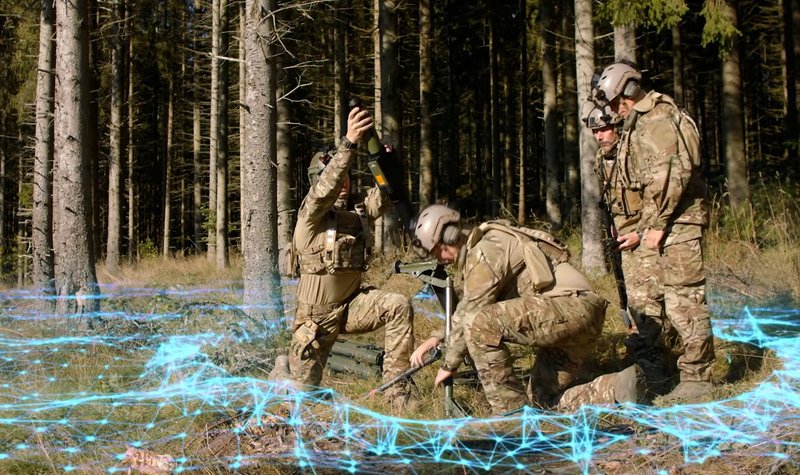
Future operational superiority will be defined by the ability to connect systems, data and personnel into a wider network. For armed forces, this creates the need for a digital backbone that integrates and enhances sensors and effectors of ...
Advances in uncrewed aerial vehicles powered by renewable technologies are coming to the fore, with battery, hydrogen and solar propulsion challenging traditional fossil fuel-dependent models.