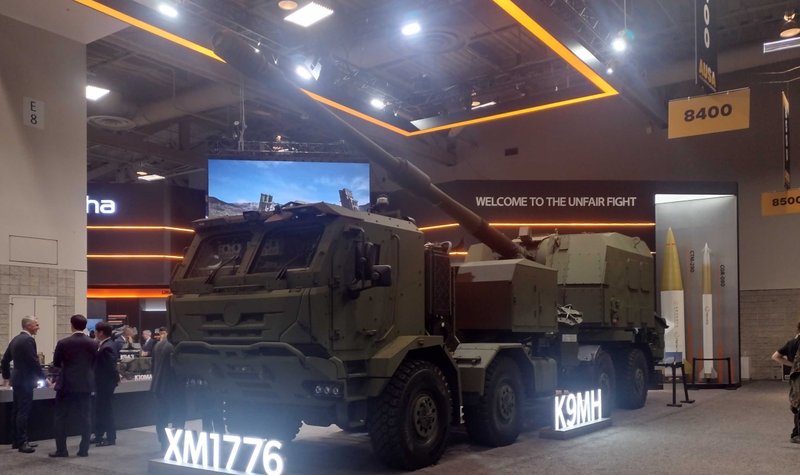
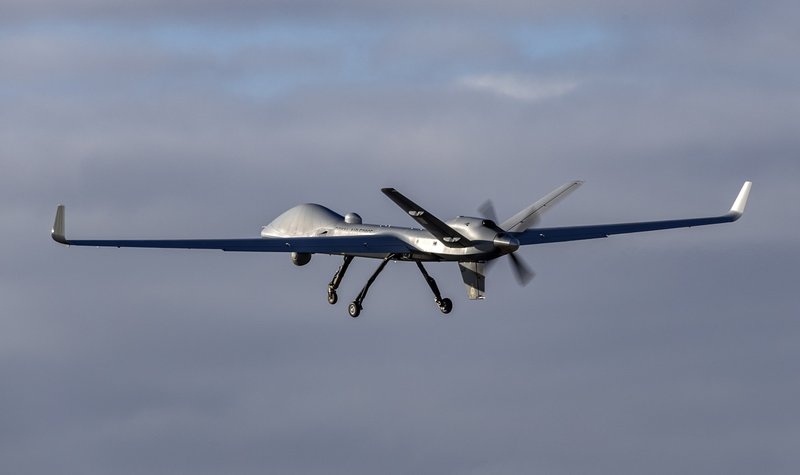
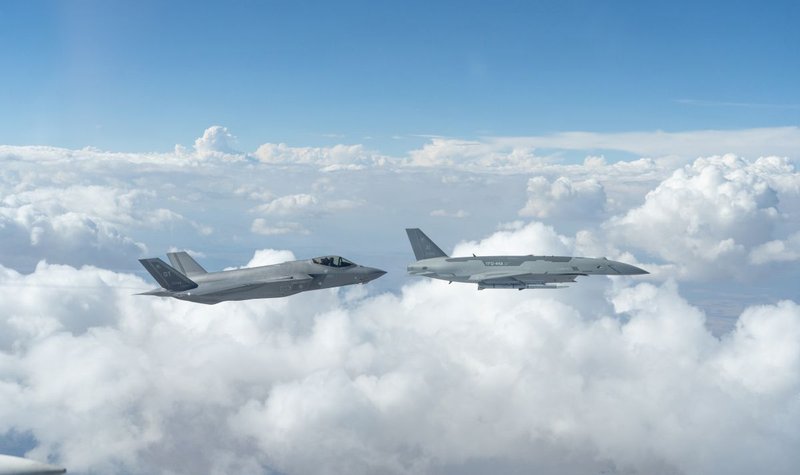
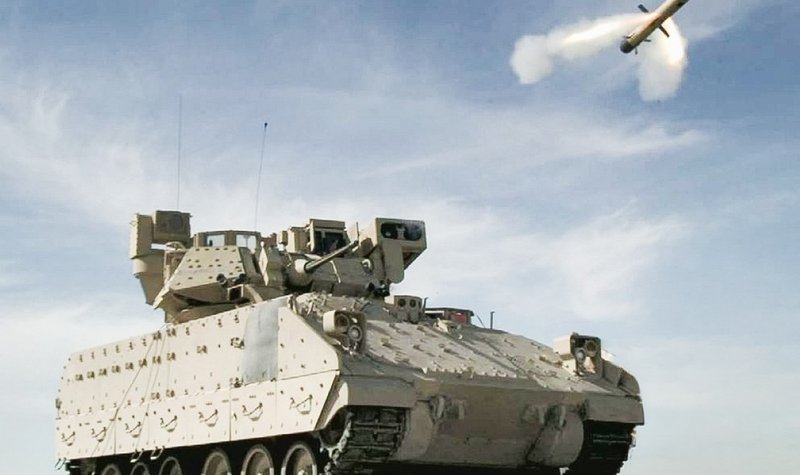
Rather than developing entirely new weapons, defence companies are looking to build on existing weapons and systems to deliver greater capability, control costs and accelerate fielding.
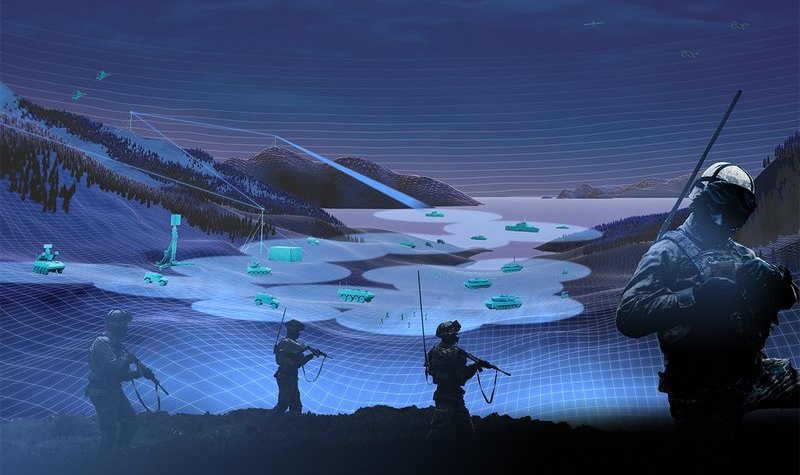
Senior military leaders have highlighted the need for interoperable systems, common data standards and closer cooperation between India's armed services.
Project Nightfall and Project Octopus both fall under the Lyra programme, with UK industry working to develop and deliver additional missiles and drones to help bolster Ukraine’s warfighting capabilities against Russia.
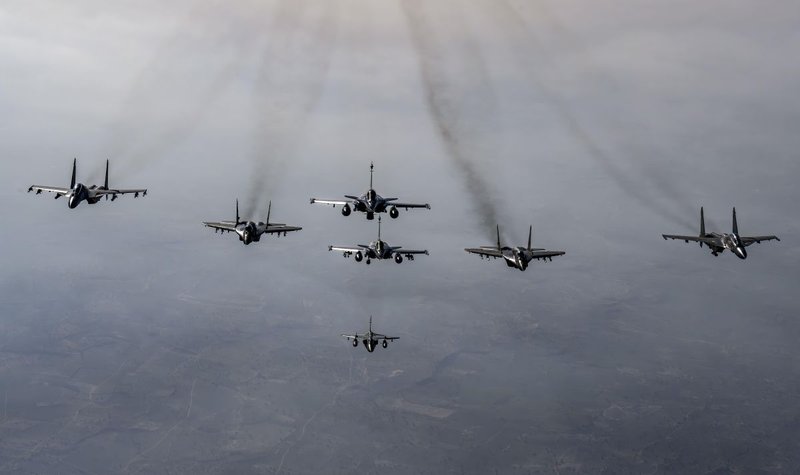
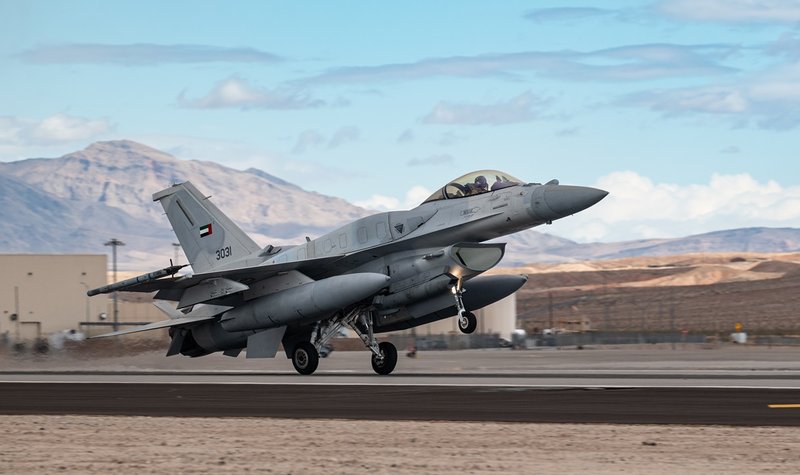
The United Arab Emirates has taken the lion’s share of this round, with the US supporting its F-16 fleet and signing off on possible sales for more AMRAAM AIM-120 missiles and a counter-drone system.
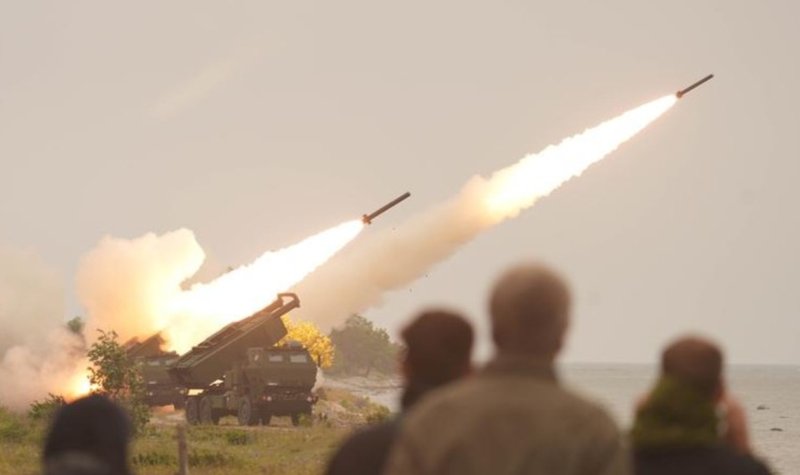
Estonian-made equipment is being put through the toughest of evaluations in the hands of Ukrainian soldiers resisting the full-scale Russian invasion which began in 2022. The country has long seen the threat and is continuing to adapt for t...
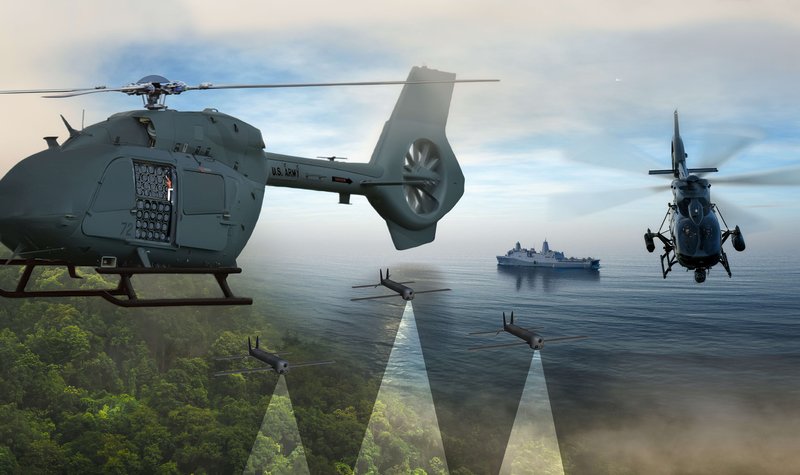
Defence industry primes are working on an array of different platforms to meet the growing need for rotary uncrewed aerial vehicles to carry out future logistics missions.
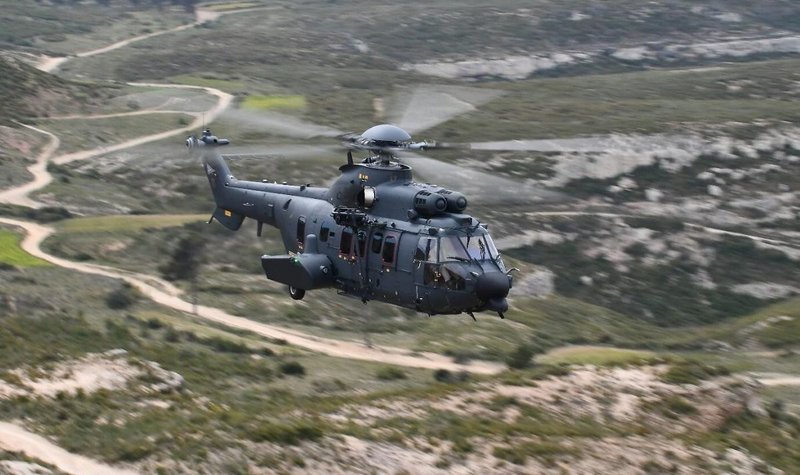
With some Eastern European countries already upgrading their helicopter fleets to incorporate Western technology, the region presents potential future opportunities for defence companies.
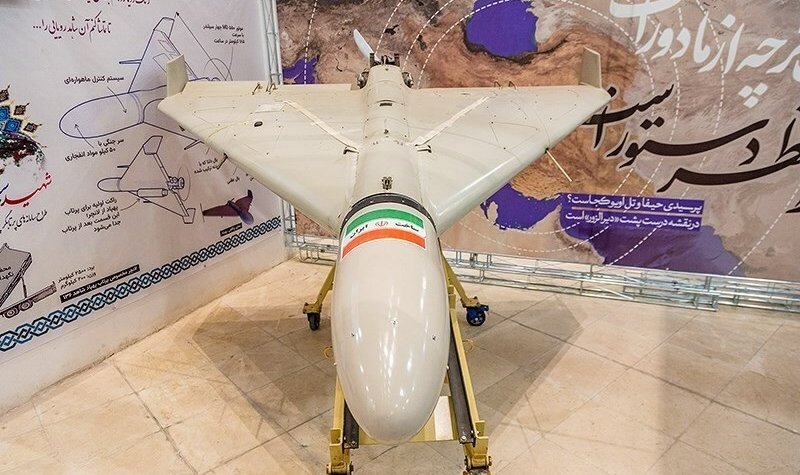
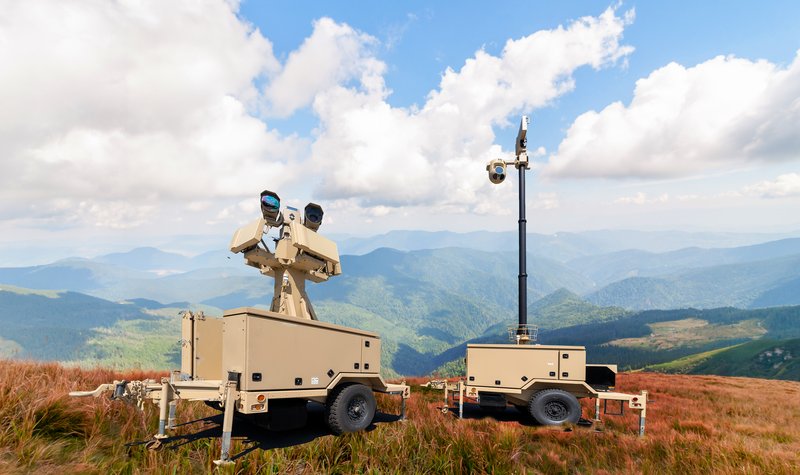
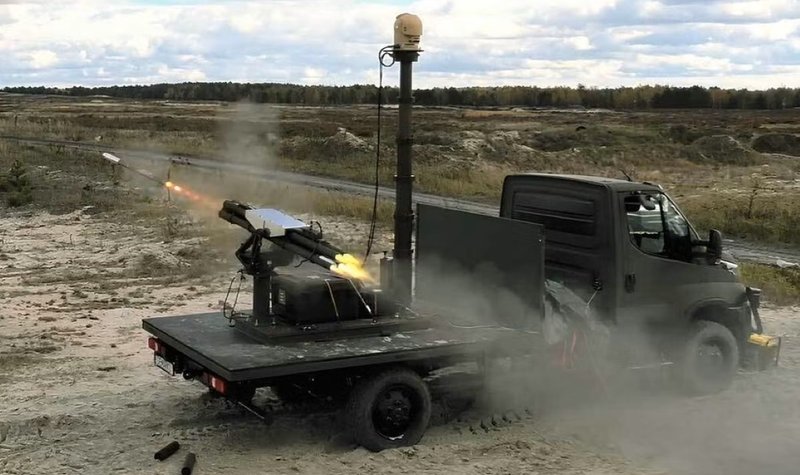
Manufacturers are speeding up their counter-drone development efforts as countries increasingly focus on procurements to provide battlefield and national protection.
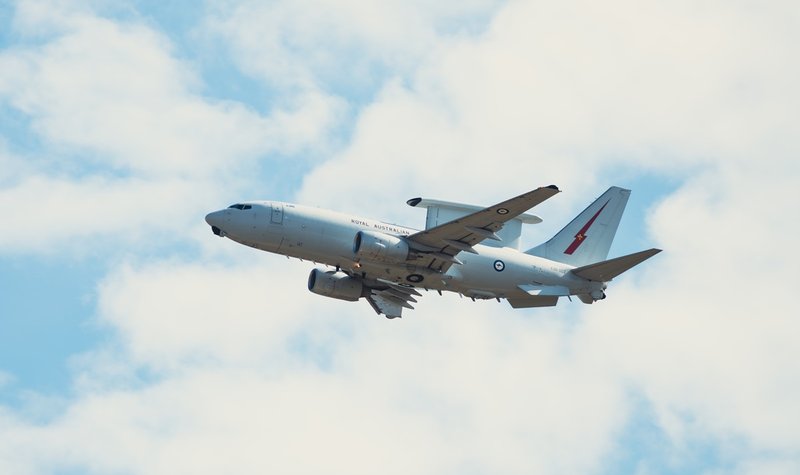
The first of three E-7 Wedgetail aircraft, originally ordered in 2019, is now expected to be delivered to the RAF this year after multiple “difficulties”.
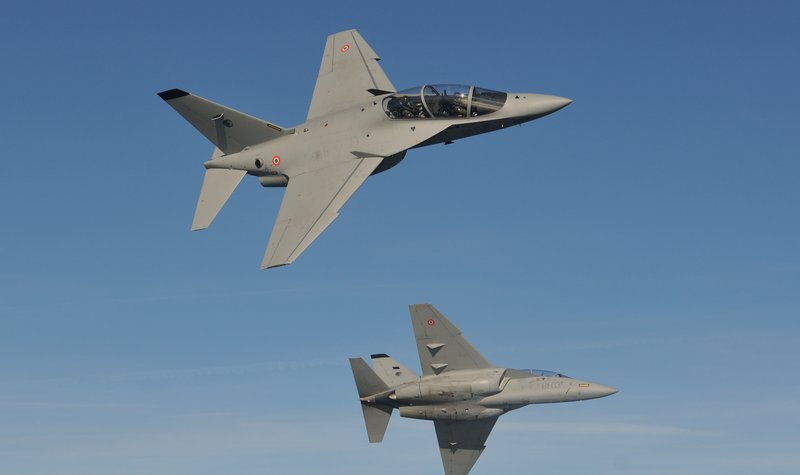
The M-346 stands as a potential contender for various countries facing impending capability gaps due to ageing trainer aircraft, while it could also be selected as a cost-effective light fighter aircraft.
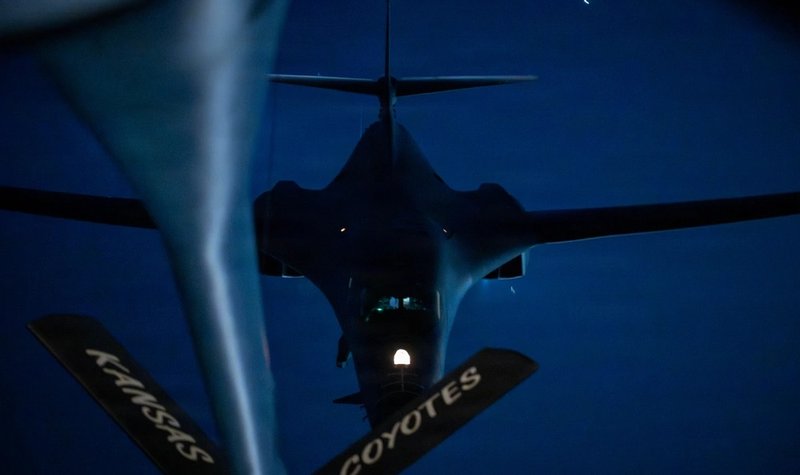
The USAF published RFIs for enhancing its C3 capabilities after losing, in Operation Epic Fury, four aircraft in non-confrontational, unclear situations that could have been related to command, control and communication failures.