US Air Force, Army, Marine Corps and Special Operations Command initiatives signal demand for interoperable uncrewed systems control, creating opportunities for suppliers of hardware, software and integration services.
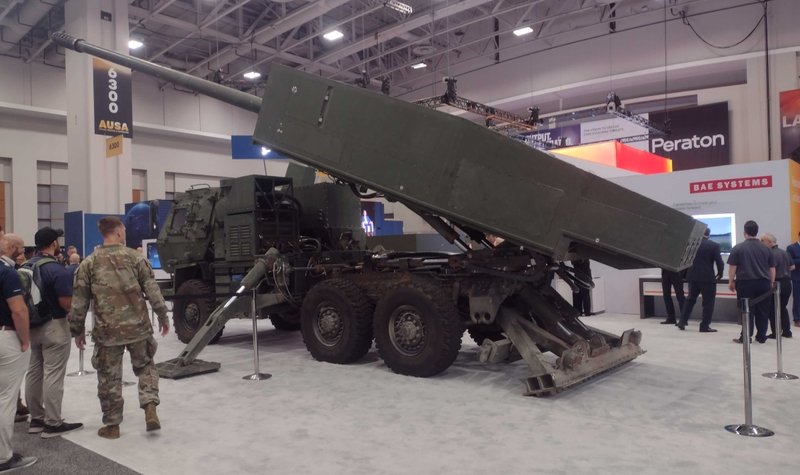
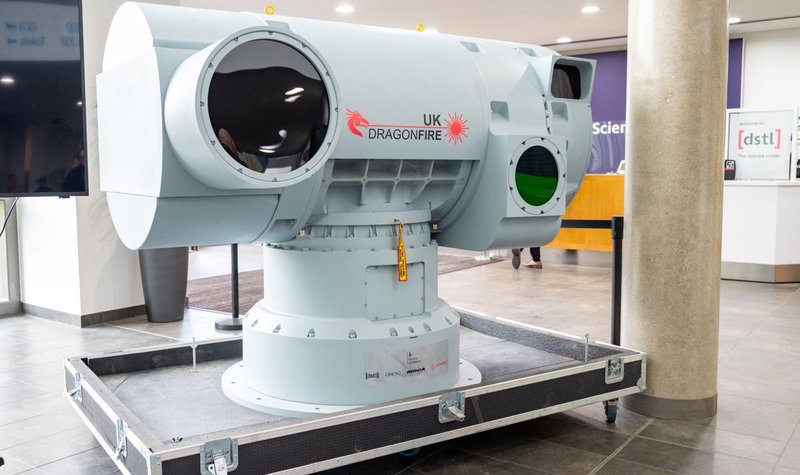
The company's new artillery demonstrator is intended to engage incoming missiles and ground targets, while a separate microwave system focuses on uncrewed aerial threats.
At DSEI 2025, James Gray, Managing Director and CEO of Raytheon UK (part of RTX), outlines the company’s century-long presence in the UK and its evolving role across defence, aerospace, cyber, and tra...
Controp representatives outline how artificial intelligence is being integrated with electro-optical payloads to improve decision-making and operational efficiency across land, air, and maritime domai...
Europe’s air defence debate is increasingly shaped by the blunt economics of the field. While high-value interceptor missiles can effectively shoot down cheap drones, doing so at scale presents cost challenges.
European militaries face a new security landscape, with the proliferation of drones, theatre ballistic missiles and other threats boosting requirements for airborne intelligence, surveillance and reconnaissance (ISR) and related systems. F...
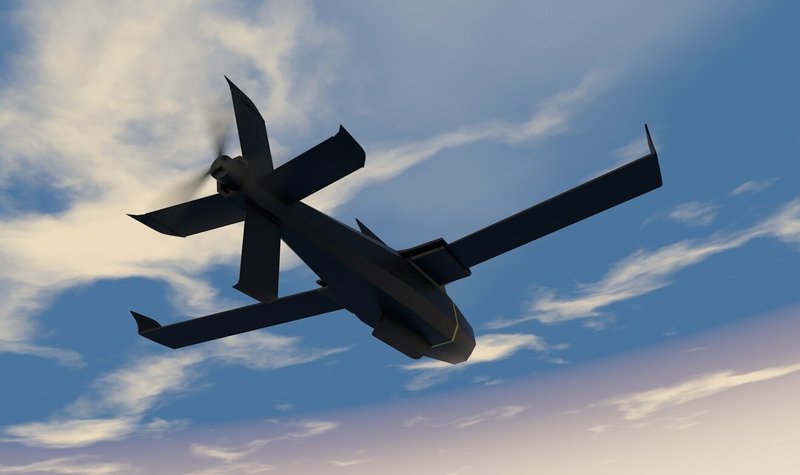
Following its investment into WinnyLab, Terra Drone unveiled a new long-range fixed-wing addition to its interceptor drone portfolio as it seeks to bring combat-proven technology back to Japan and expand into global export markets.
Countries releasing their spending budgets over the past month have placed an emphasis on advancing next-generation crewed programmes as well as upgrades and expansion plans for air combat and aerial refuelling capabilities.
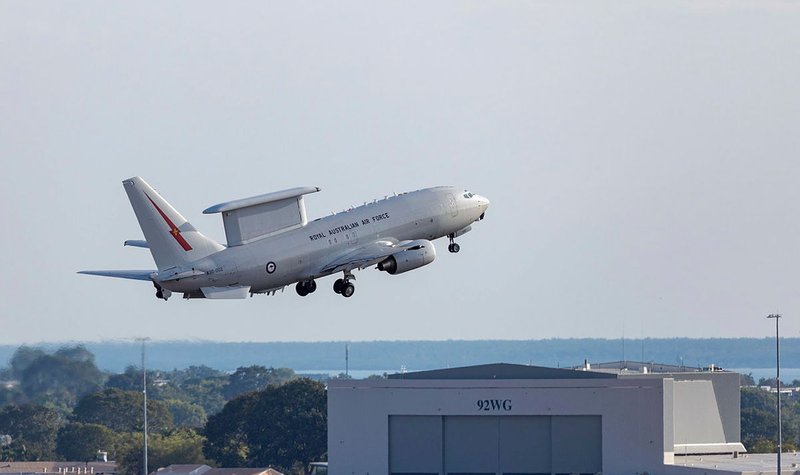
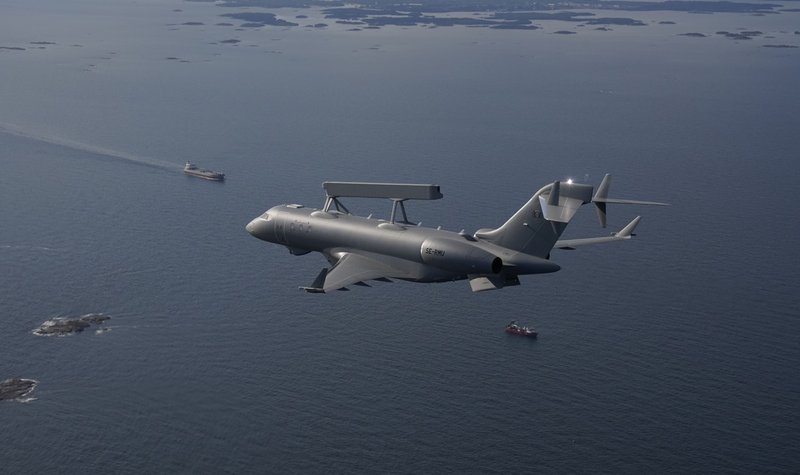
With a pending NATO AWACS replacement on the horizon, the demand and market opportunities for airborne early warning aircraft remain strong as countries look to bolster their capabilities, with industry eyeing gaps in the market.
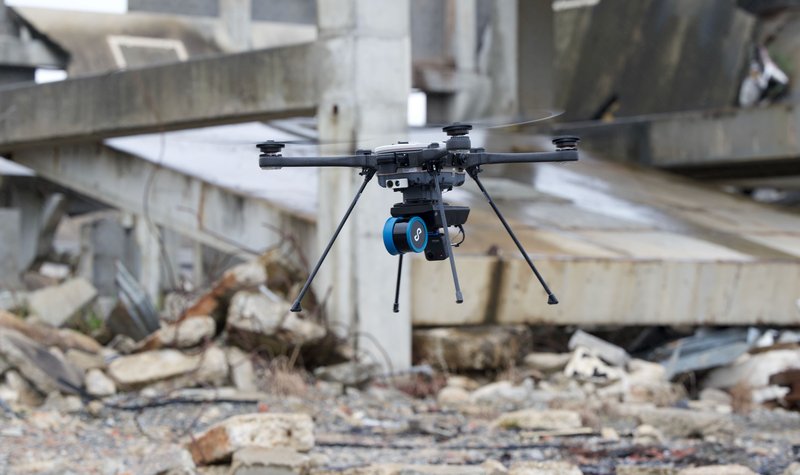
In a partnership with Emesent, Teledyne FLIR will equip its autonomous air, ground and detection systems with the Hovermap LiDAR payload in a move that highlights a broader market shift towards modular architectures, shared payloads and int...
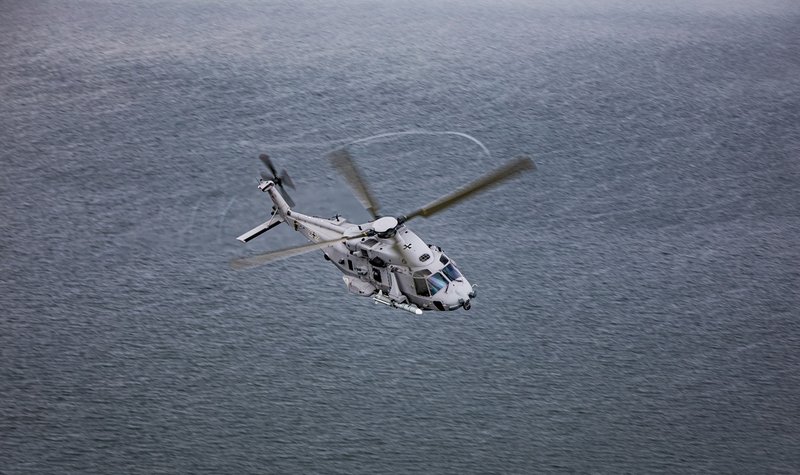
Developed in response to NATO’s needs, NHIndustries’ NH90 remains a cornerstone of European and Middle Eastern fleets – with upgrades planned to extend and improve the capabilities of the versatile and capable platform.
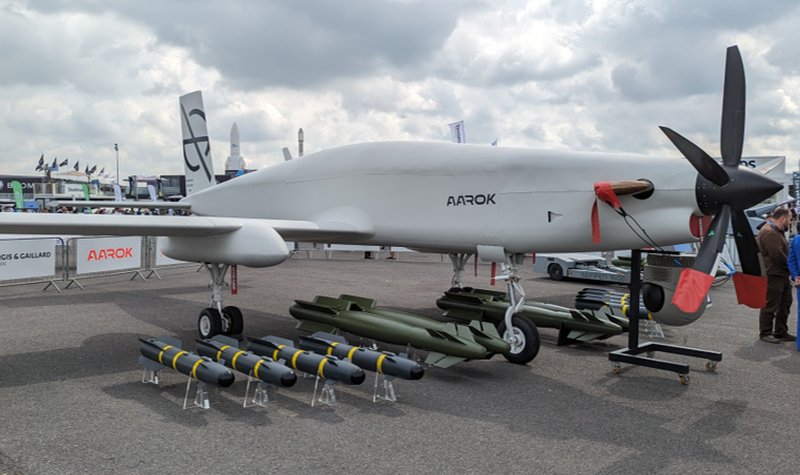
From France to Romania, there has been a clear shift away from expensive, vulnerable MALE UAVs in April towards lower-cost, expendable systems. Hard lessons from Ukraine and Iran have driven this shift.
After months of delays, Rheinmetall has inked a €300 million deal with Germany for its FV-014 drone this week as part of a wider framework contract worth €2.4 billion for loitering munition procurement. Shephard looks at how the as-yet-unaw...
The USAF’s Next-Generation Aerial Refuelling Programme is coming under scrutiny in the wake of the Pentagon’s FY2027 budget request, signalling a change in how the force could prioritise the modernisation of its tanker fleet.
The Pentagon’s proposed budget for the next fiscal year includes an impressive increase in the procurement of interceptors, with the number of the US Army’s PAC-3 MSE rounds expanding by 683%, the US Navy’s Standard Missile by 365% and the ...