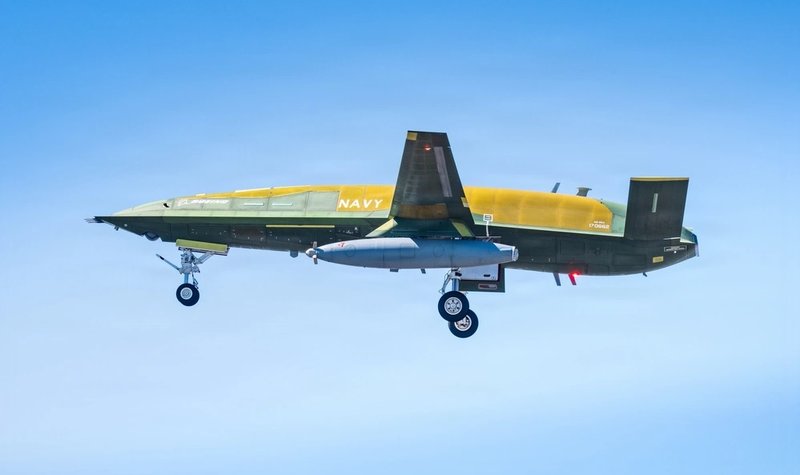
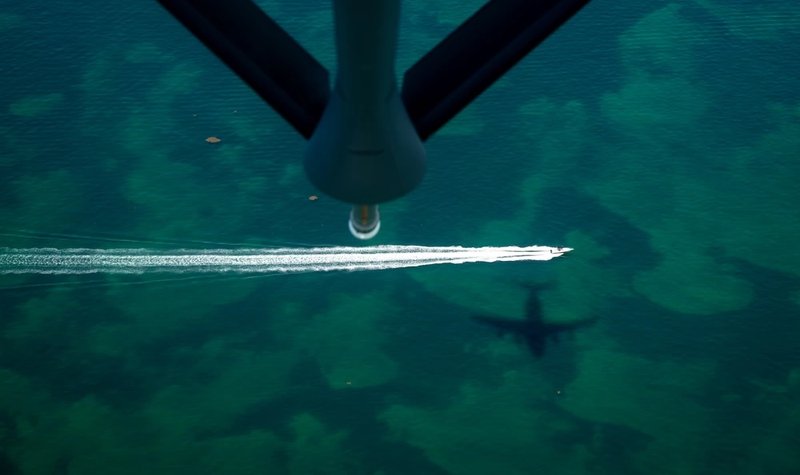
Boeing has outlined its upcoming precision-landing and carrier-airspace trials as MQ-25 manufacturing shifts towards Illinois, with initial Lot 1 deliveries expected in 2029.
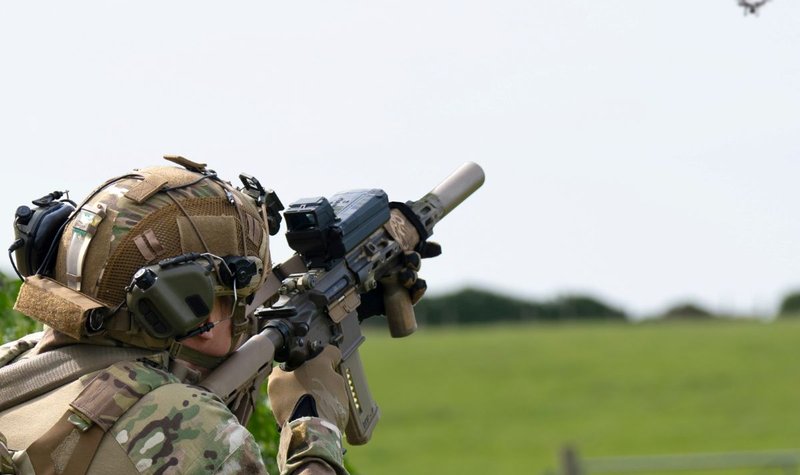
New developments from MARSS, MyDefence, Mountain Horse Solutions and Rafael suggest that future counter-drone protection will increasingly depend on combining advanced detection, rapid interception and integrated defensive networks.
The French-made aircraft is lining up potentially huge orders in Asia, with the latest F5 platform designed to keep the jet relevant in the modern battlespace until the 2040s.
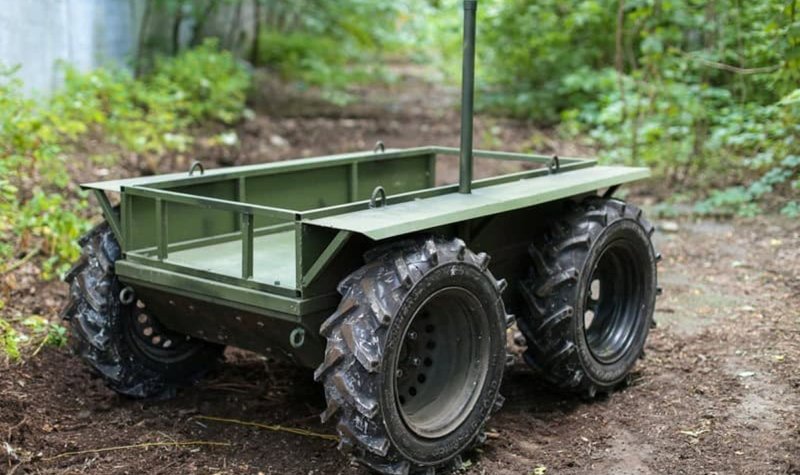
Eurosatory is the world’s largest defence show with more than 2,000 exhibitors listed and more than 43,000 visitors expected, as the show expands to a floorspace of 185,000m². Uncrewed systems and effectors to defeat them, as well as 4x4 ve...
France is estimated to be Europe’s second-highest spender on UAVs, with a market focused on domestic production, loitering munitions and lower-cost sovereign systems. Its spending profile highlights substantial future market opportunities w...
The Ukraine-Russia war has highlighted the force-multiplying capability of innovation and adaptation of industry and individual companies. NATO is attempting to introduce this flexibility while Ukraine is accelerating these efforts and look...
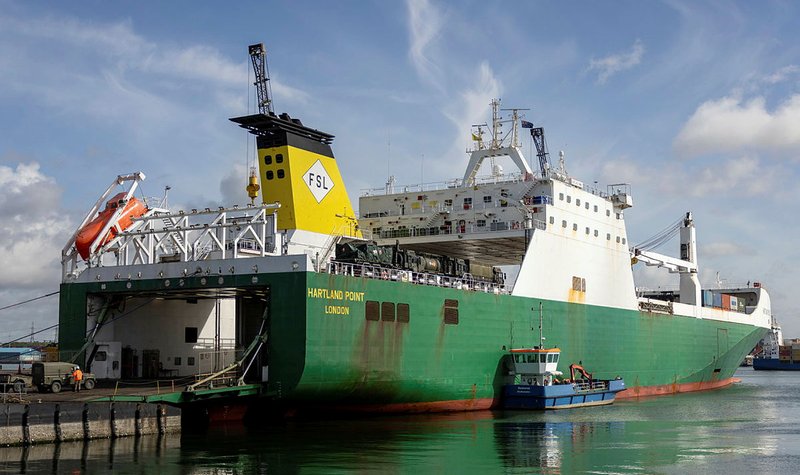
A new Council on Geostrategy primer warns that NATO cannot defend its own supply lines. As the alliance faces a sealift and logistics escort deficit, a wave of unawarded procurement is beginning to take shape.
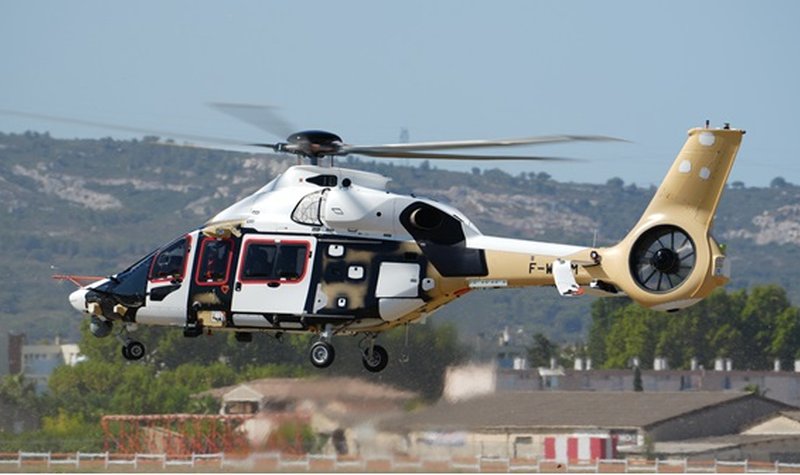
The biennial show in Paris will focus heavily on autonomous technology, counter-drone solutions and helicopters, as countries ramp up defence budgets and focus on modernising defence capabilities.
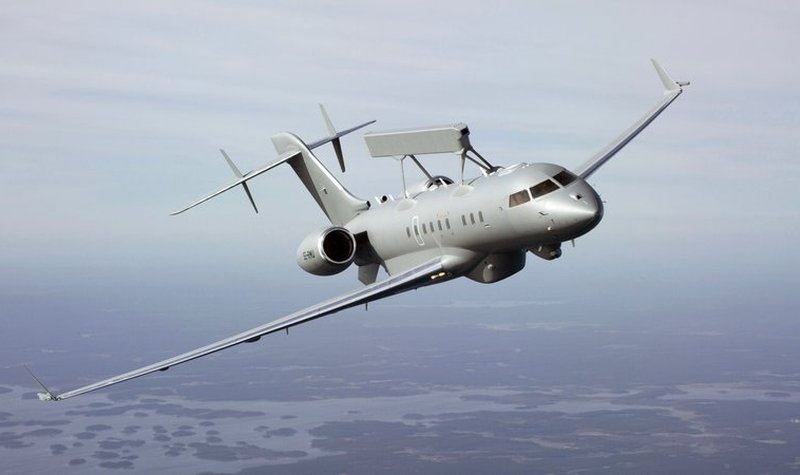
Canada’s selection of Saab’s GlobalEye to fulfil its airborne early warning requirements draws the country closer to European industry over American-made platforms, snubbing Boeing and L3Harris.
Israel is working to close a counter-drone capability gap exposed by Hezbollah's fibre-optic systems, drawing on battlefield lessons from Ukraine to replace improvised defences with targeted solutions.
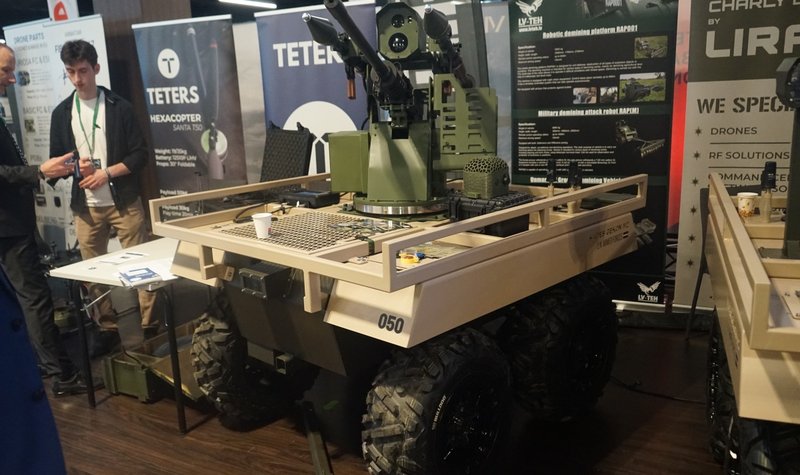
The Drone Summit saw more than 100 companies from 20 countries, including Latvia, Australia, Canada and Israel, presenting uncrewed surveillance and attack platforms. The event came just weeks after drones, believed to be Russian, invaded L...
Over the next 18 months, the air force's research facility intends to accelerate the progress of resilient, autonomous solutions to support aircraft and helicopter deployments in DDIL overland and over-the-water scenarios.