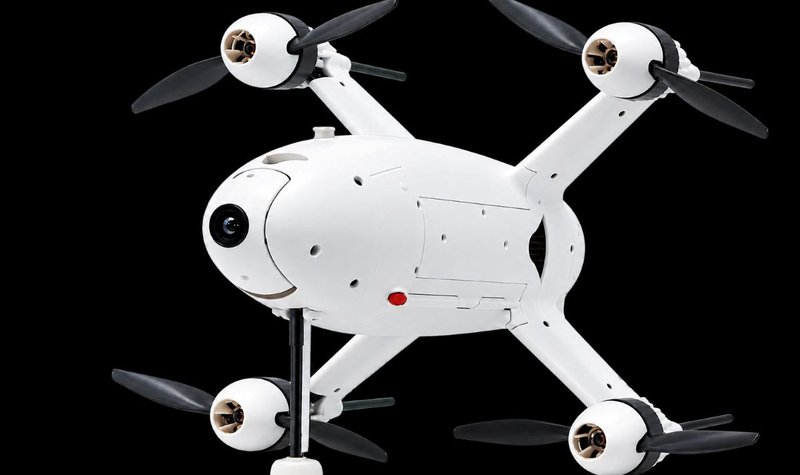
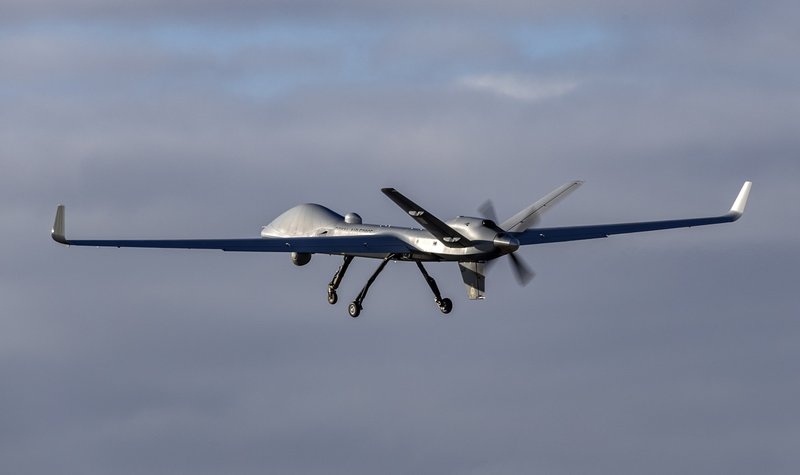
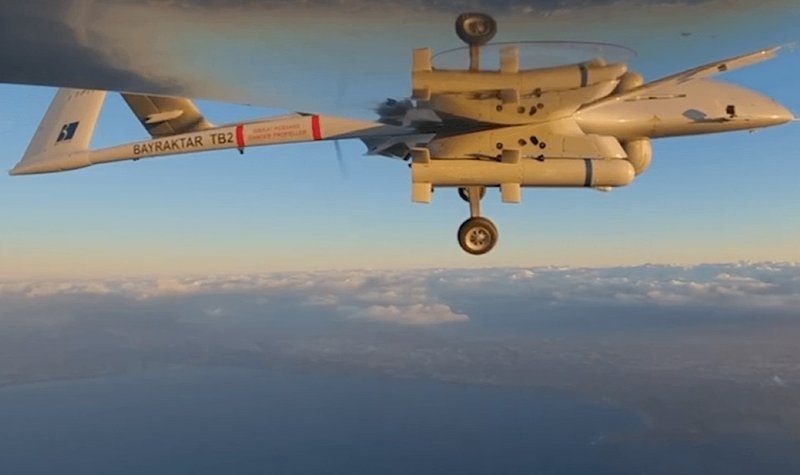
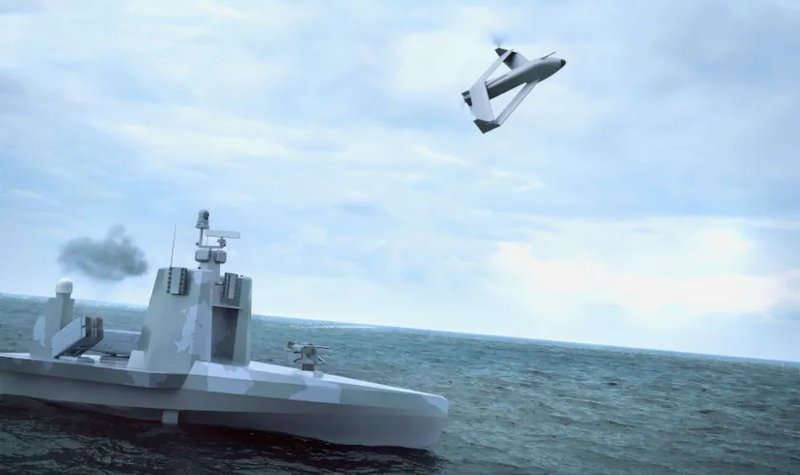
The UK is seeking to extend the operational reach of uncrewed aerial vehicles, reflecting growing demand for compact, energy-efficient technology to support beyond-line-of-sight operations.
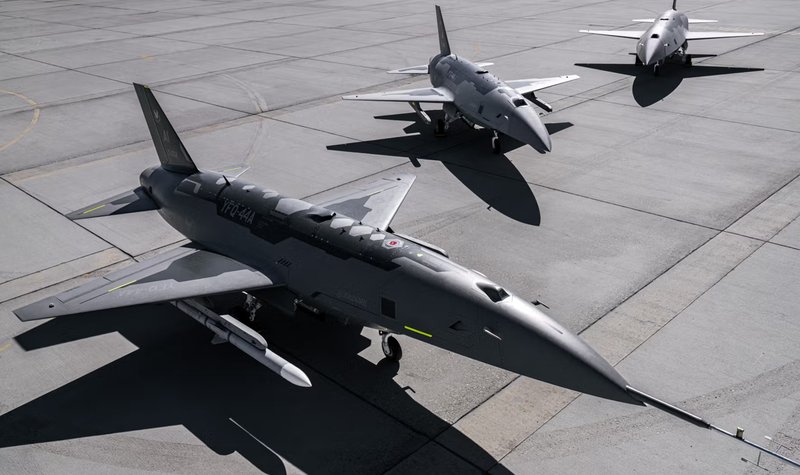
Northrop Grumman, Airbus and Anduril are positioning their uncrewed aerial vehicles for future collaborative combat aircraft contracts in a market that is forecast to exceed $36 billion.
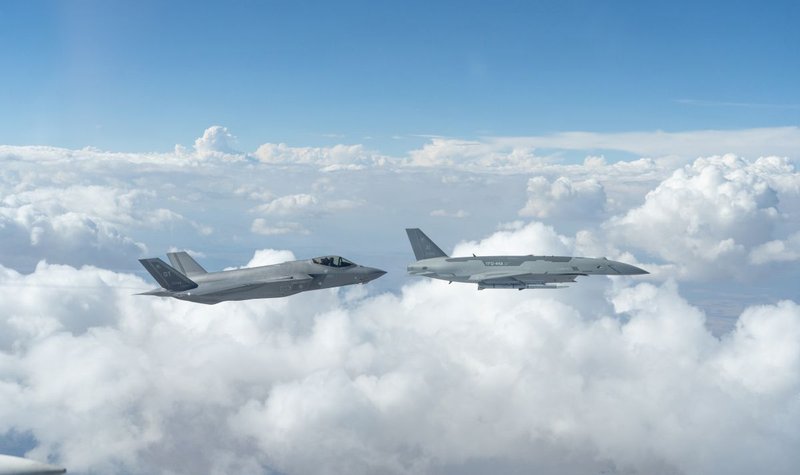
June 2026 saw the landmark acquisition of the first fighter-type Collaborative Combat Aircraft (CCA), while the month also hosted Eurosatory, which showcased deep-strike capabilities and production deals with the civilian industry.
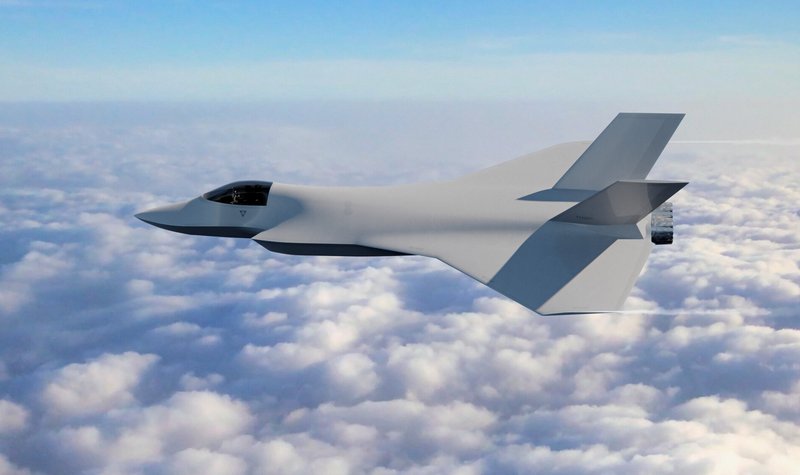
The first render for the demonstrator was unveiled in July 2025, with BAE Systems now aiming for the start of final assembly by the end of 2026 to prepare the aircraft for first flight by 2027.
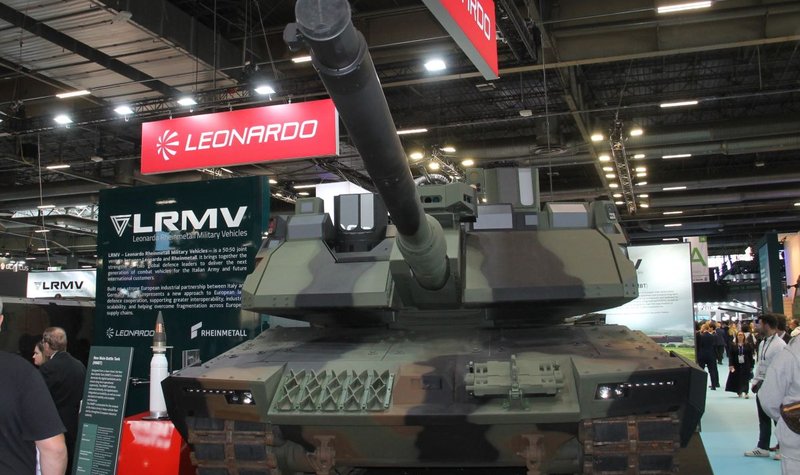
Uncrewed and counter-uncrewed systems were a major feature of this edition of Eurosatory 2026 along with programme updates and first sight of new main battle tanks.
The UAE’s Edge has undergone massive changes since it was formed in 2019, from acquisitions to partnerships, and has now set up a European division in Paris.
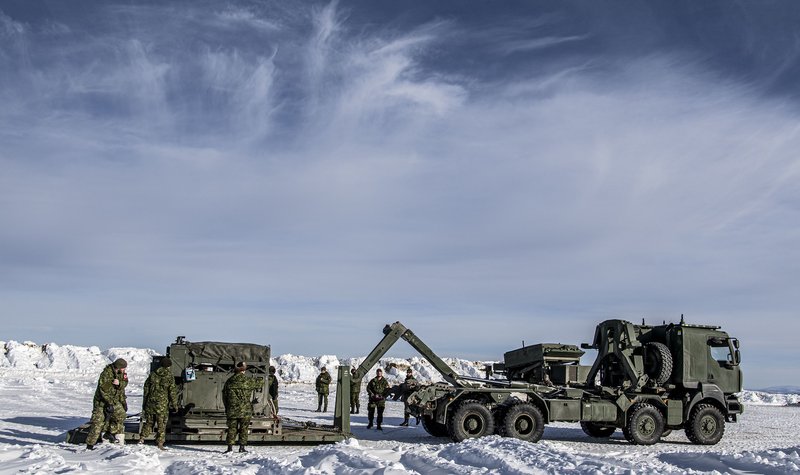
Washington and Ottawa’s Arctic and homeland radar initiatives aim to strengthen early warning against cruise missiles, hypersonic weapons and long-range aerospace threats approaching North America.
MARSS became part of EOS Defence earlier this year, bringing together the former’s C2 NiDAR and Nation Shield air defence products with the latter’s suite of effectors and sensors.
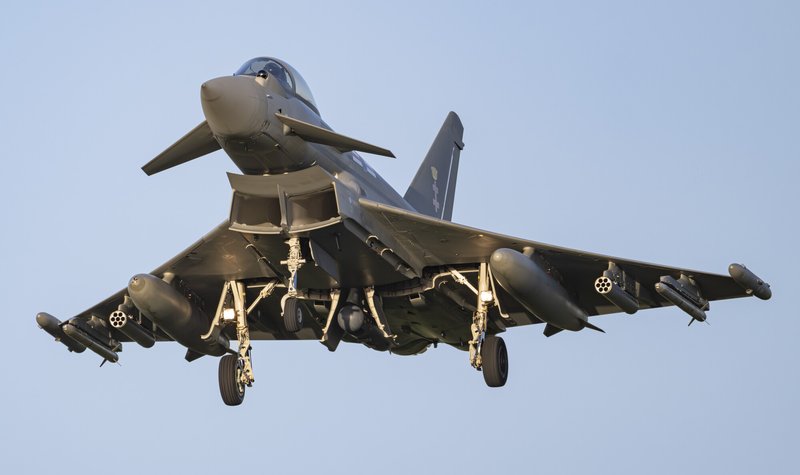
The recent operational use and success of the APKWS laser-guidance kit on the UK RAF's Typhoons has driven demand from other Eurofighter customers for integration of the system on their own combat aircraft fleet, according to BAE Systems.
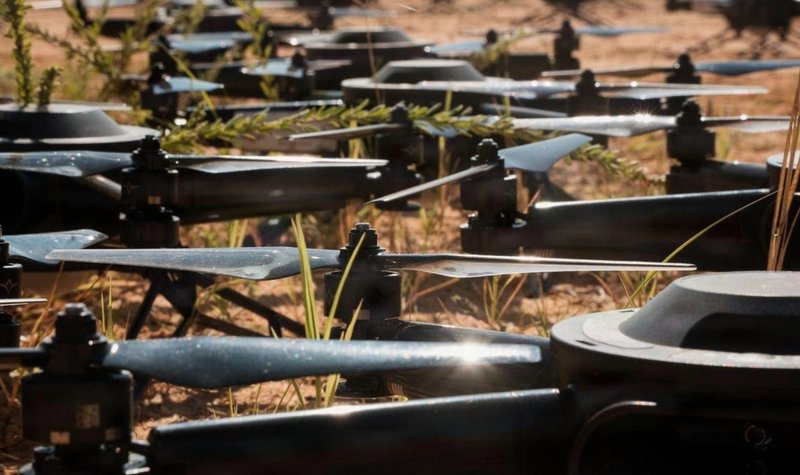
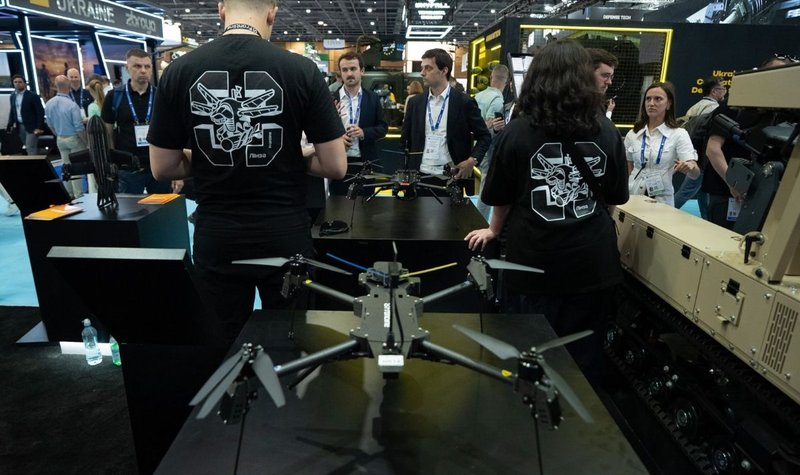
As industrial-scale drone production proves its battlefield worth in Ukraine, what happens to that production capacity and knowhow once the guns fall silent – and is Ukraine about to become one of the world’s most credible UAV export partne...
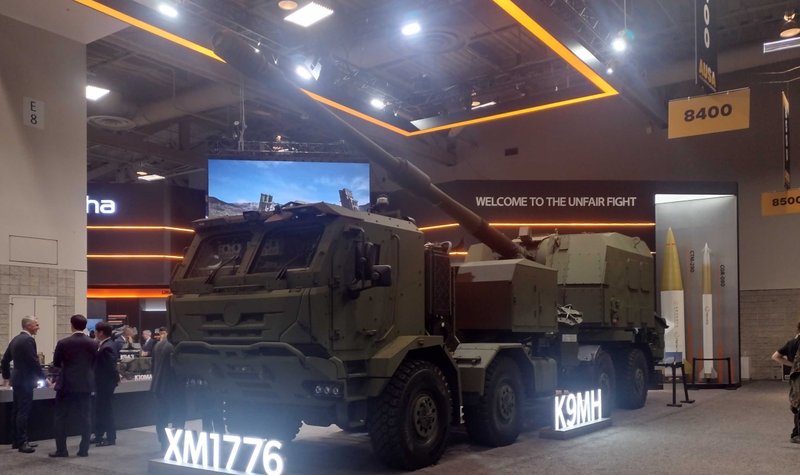
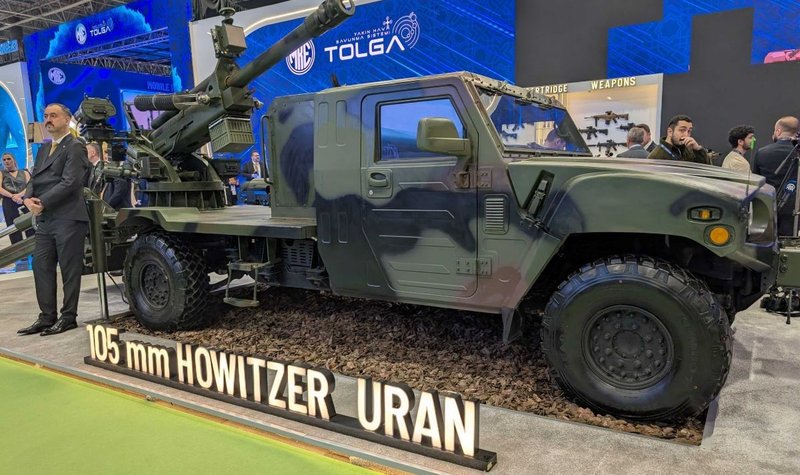
Artillery remains a key tool on the modern battlefield. Artillery platforms, however, are increasingly at risk from enemy fire, whether from other artillery or uncrewed …
The contract signed between MBDA and Fly-R will see diamond-shaped loitering munitions developed and prepared in the UAE. How does this move fit into wider market trends in the region?
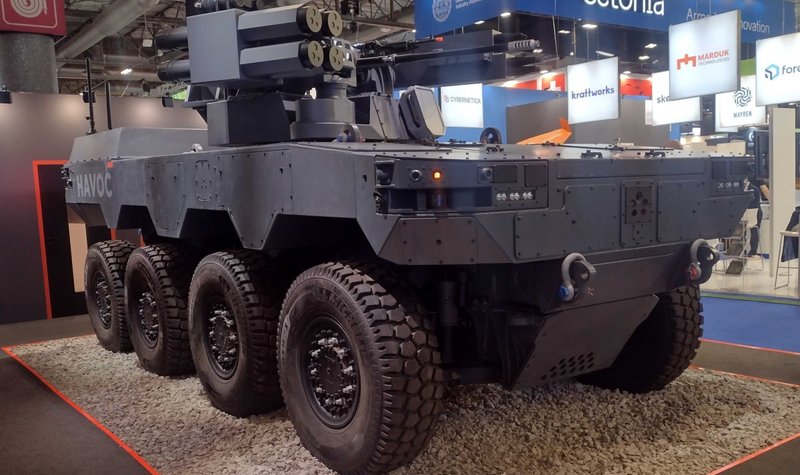
In the past three months Milrem Robotics has signed cooperation agreements with Hanwha, EOS Defence Systems and Polska Grupa Zbrojeniowa (PGZ) and at Eurosatory 2026 with CNIM Systèmes Industriels and Frankenburg Technologies. The deals com...