


Tekever eyes naval carrier surveillance role for AR5 uncrewed aircraft
Tekever’s AR5 carrier debut highlights its potential for maritime surveillance as the Royal Navy develops its future hybrid air wing.


There are currently 66 A330 MRTT aircraft in operation with forces across the globe. (Photo: Airbus)
Industry’s efforts to ramp up work on missile integration into combat aircraft have come to the fore this month, with MBDA and BAE Systems unveiling successful first tests or operational milestones for their respective missile equipment onboard combat aircraft.
The growing need for effective and layered counter-uncrewed aerial system (CUAS) platforms has been sharply emphasised by the ongoing US-Iran-Israel conflict, which has seen the US lose more than 40 aircraft since Operation Epic Fury began.
Efforts to integrate improved stand-off missiles and counter-drone capabilities on combat aircraft have long been in development. The Selective Precision Effects At Range (SPEAR) is one of the
Our news & analysis is now part of Defence Insight®
A Basic-level or higher Defence Insight subscription is now required to view this content.

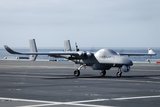
Tekever’s AR5 carrier debut highlights its potential for maritime surveillance as the Royal Navy develops its future hybrid air wing.

How can armed forces connect autonomous platforms and introduce new capabilities faster while maintaining security and airworthiness?
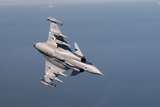
Ukraine’s future fighter fleet could combine F-16s, Gripens and potentially Rafales, balancing combat needs against training, logistics and aircraft supply constraints.
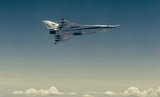
Northrop Grumman plans mission systems testing following its Hermeus agreement, highlighting how established defence contractors are partnering with newer companies to accelerate development and bring autonomous capabilities to military customers.
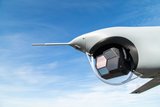
AI-powered sensing technologies are advancing battlefield intelligence capabilities, with companies including Sightline Intelligence and Arkeus developing smaller, more sophisticated systems to help military UAV operators process data and identify threats.
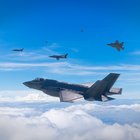
For decades, advanced military propulsion has centred on enabling ever-more capable fighters and bombers – delivering more thrust, more range, greater power, and thermal management, plus longer service lives. Those requirements remain essential. However, the rise of autonomous systems, advanced effectors, and autonomous collaborative platforms is redefining what that propulsion must deliver.

Connect with us on socials


