As the Pentagon accelerates procurement of low-cost, lethal UAVs through its Drone Dominance Program, emerging suppliers will need to demonstrate manufacturing capacity, supply chain resilience and reliability.
Watervliet Arsenal’s digital manufacturing push opens opportunities for industry as the US Army modernises cannon production and its wider Organic Industrial Base.
On the show floor at DSEI 2025, representatives from ST Engineering and ARIS, and retired Italian general Ivan Caruso outlined the background to the teaming agreement with land warfare expert Christop...
At DSEI 2025, James Gray, Managing Director and CEO of Raytheon UK (part of RTX), outlines the company’s century-long presence in the UK and its evolving role across defence, aerospace, cyber, and tra...
Controp representatives outline how artificial intelligence is being integrated with electro-optical payloads to improve decision-making and operational efficiency across land, air, and maritime domai...
At DSEI 2025, Avon Protection outlines its latest developments in integrated headgear and respiratory protection systems designed for military and specialist users.
The European Defence Agency's (EDA's) fourth European Air-to-Air Refuelling Training (EART) exercise is set to kick off at Eindhoven airbase in the Netherlands on 26 …
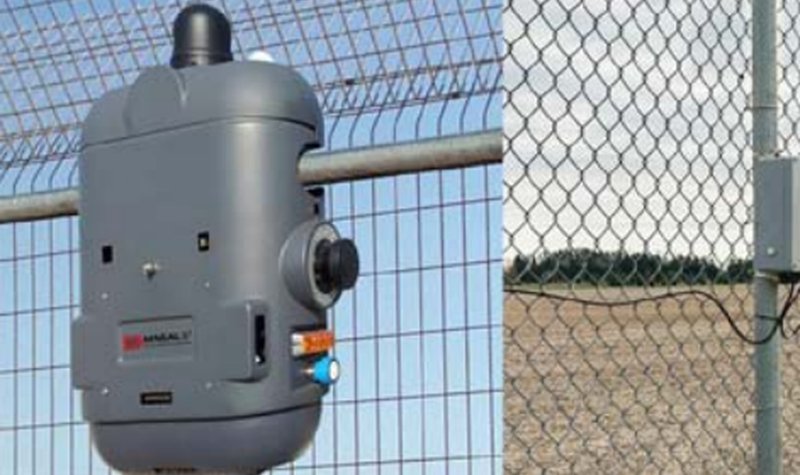
Magal Security Systems has received a serial order for its RoboGuard system from an Israeli government customer, the company announced on 21 March.The customer has …
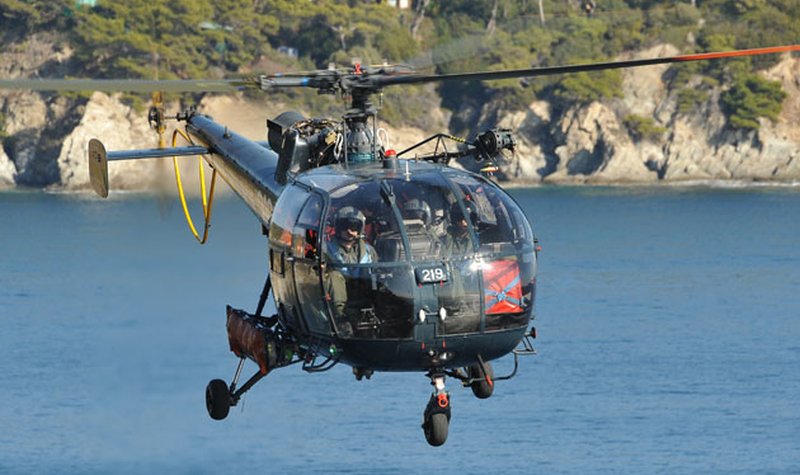
Portugal's Minister of National Defense has given the go-ahead to replace six Alouette IIIs currently being operated by the country's air force.At this stage, no …
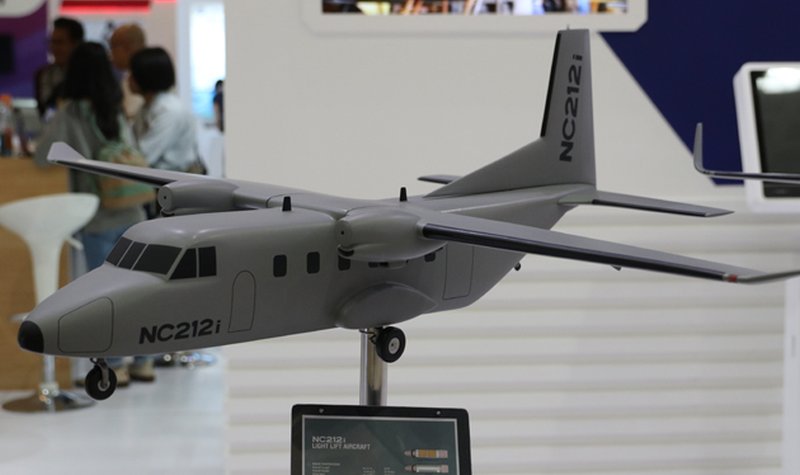
Honeywell announced its largest ever contract in Indonesia with a deal for 34 TPE331 turboprop engines for NC212 aircraft being built by PT Dirgantara Indonesia …
Damen has delivered four Interceptor 1102 vessels to the National Air and Naval Service of Panama (SENAN), the company announced on 23 March.SENAN has now …
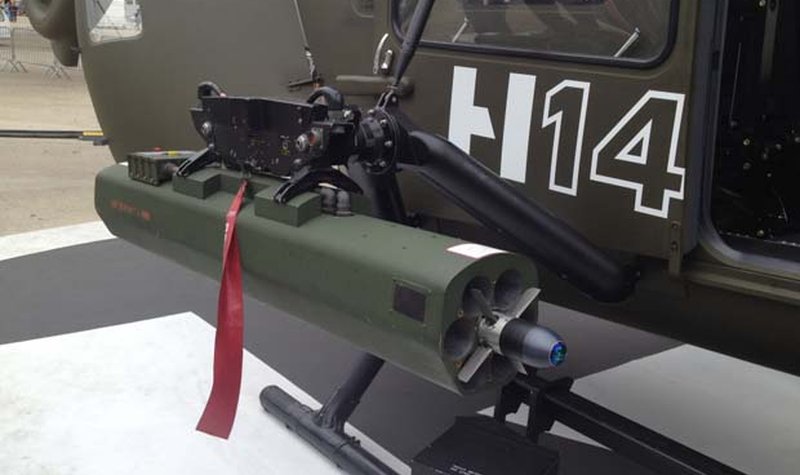
Thales has received a contract from Airbus Helicopters to integrate the FZ275 semi-active laser guided rocket (LGR) of its Belgian subsidiary on the H145M helicopter, …
The US Navy's Space and Naval Warfare Systems Command (SPAWAR) has awarded a contract worth over $20 million contract to Cubic Mission Solutions for the …
Défense Conseil International (DCI) announced the creation of Helang Flying Academy in a joint venture with Major Flagship Sdn Bhd (MFSB) in Malaysia, the company …
As the worldwide growth in anti-drone technology continues Aselsan displayed its own counter-UAS capability to the public for the first time at the LIMA 2017 …
Elbit Systems has won a contract to supply radio systems to the Israeli Ministry of Defense (MoD), the company announced on 22 March.Under the contract, …