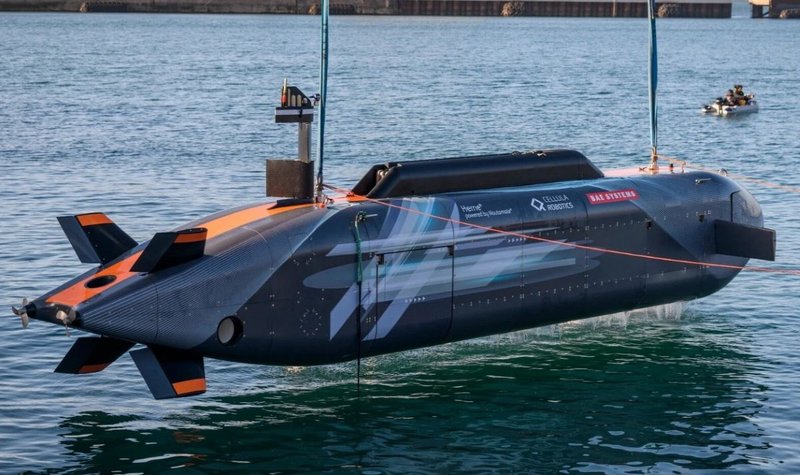
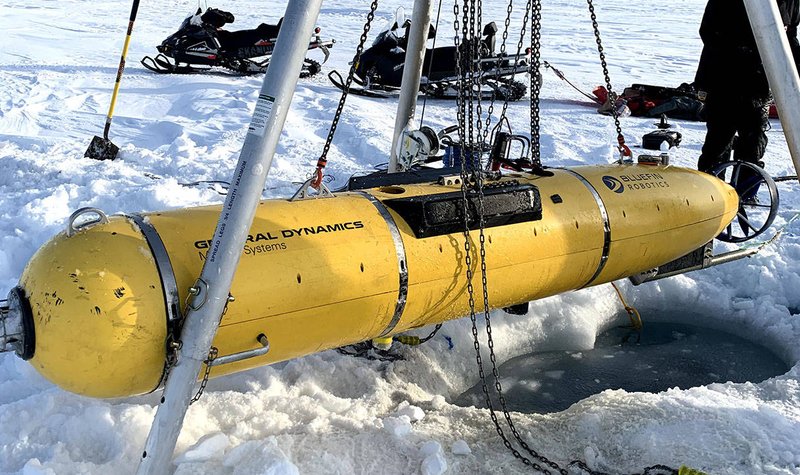
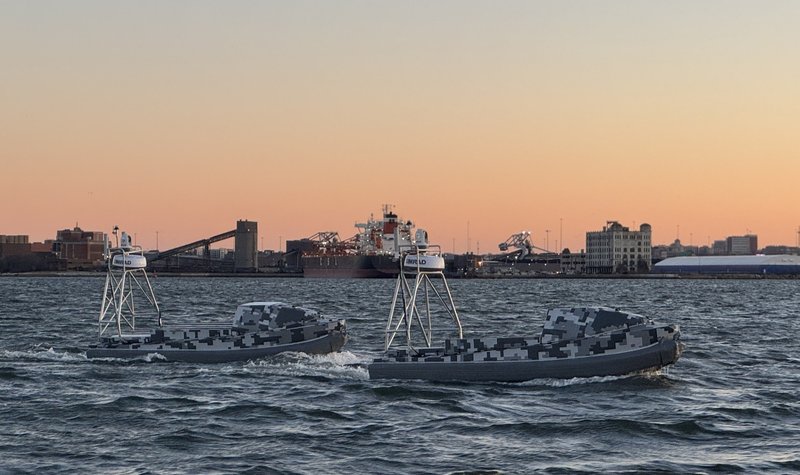
The changing Arctic environment is creating new challenges for submarine detection, driving demand for distributed sensors, uncrewed underwater vehicles and real-time acoustic modelling.
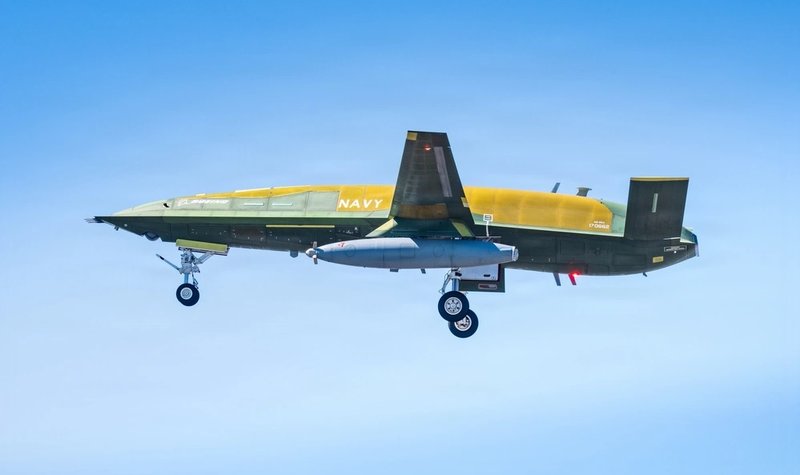
A wave of acquisitions is bringing specialist autonomy and underwater technology under the umbrella of larger defence contractors. As a result, navies may gain faster access to capability, but not necessarily a broader choice of suppliers.
A Chinese emphasis on UAVs for maritime and shipborne use is evident, with a new full-scale rotorcraft mock-up appearing on the navy’s first Type 075 …
The Royal Saudi Naval Forces (RSNF), UK RN and USN conducted a three-week mine countermeasure training exercise in the Arabian Gulf in June, aimed at …
ST Engineering and Israel Aerospace Industries (IAI) have signed an agreement to market a new fifth-generation surface-to-surface missile under a joint venture named Proteus Advanced …
This week, the Japanese MoD published its annual Defence White Paper, which provided some new information as the country’s military responds to its regional threat …
The USN commissioned its newest amphibious assault ship, USS Tripoli, into service on 15 July, the second of a planned 11 America-class vessels intended to …
Ultra Electronics Ocean Systems has received a $42.19 million contract modification from the Naval Surface Warfare Center for production of Next Generation Surface Search Radar …
Argentina, Brazil and Chile are modernising their Antarctic naval capabilities by building new icebreakers or procuring second-hand vessels. All three countries have scientific and research …