US Air Force, Army, Marine Corps and Special Operations Command initiatives signal demand for interoperable uncrewed systems control, creating opportunities for suppliers of hardware, software and integration services.
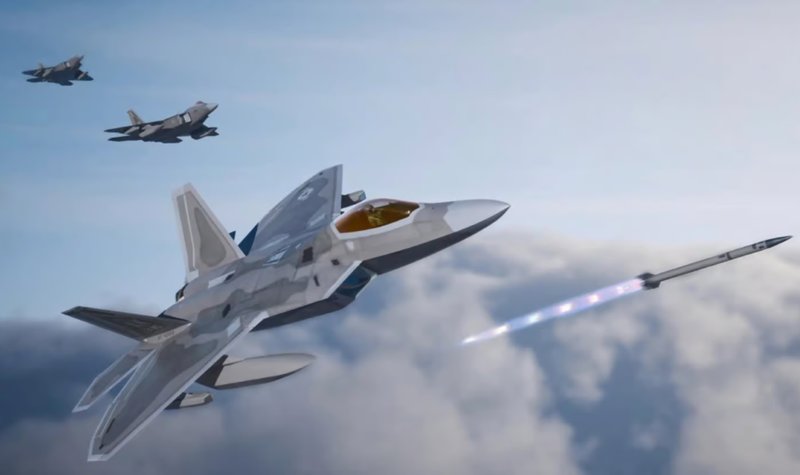
As global air combat operations continue to evolve at a rate not seen for decades, what will the next generation of air-to-air weapons look like, and what missions will they need to fulfil?
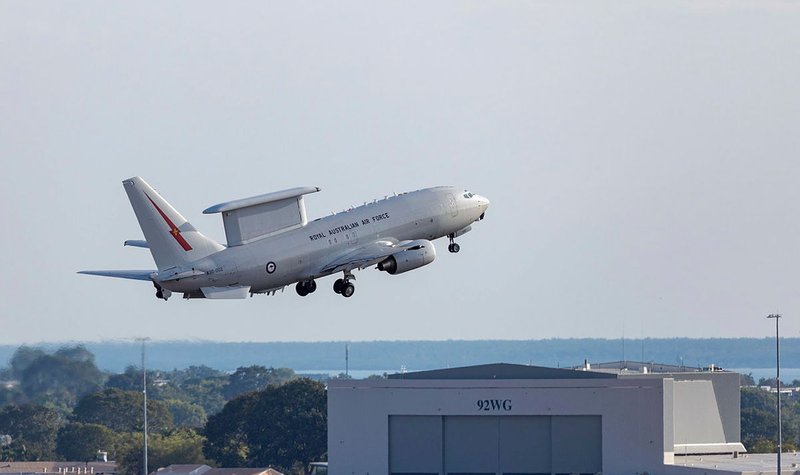
European militaries face a new security landscape, with the proliferation of drones, theatre ballistic missiles and other threats boosting requirements for airborne intelligence, surveillance and reconnaissance (ISR) and related systems. F...
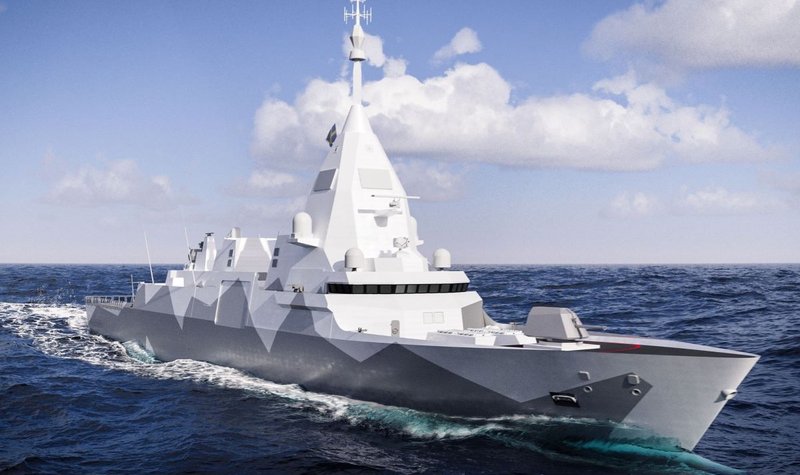
Sweden’s Luleå frigate programme is gathering momentum, with a Saab and Babcock joint proposal and Navantia and Naval Group each presenting distinct propositions for a quartet of warships.
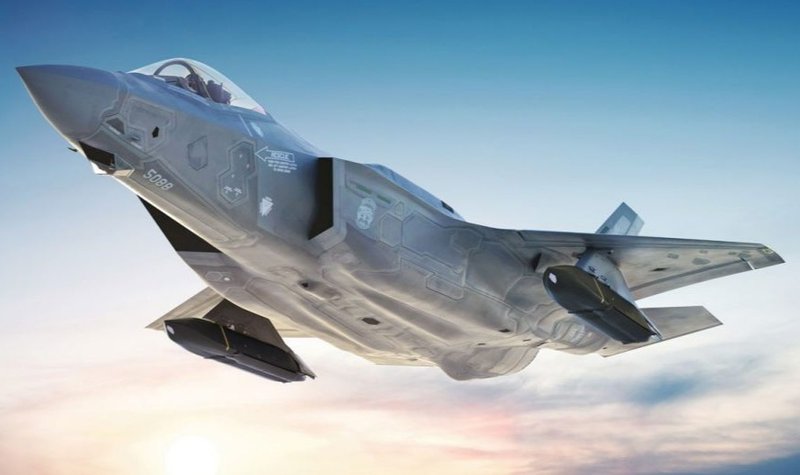
Countries releasing their spending budgets over the past month have placed an emphasis on advancing next-generation crewed programmes as well as upgrades and expansion plans for air combat and aerial refuelling capabilities.
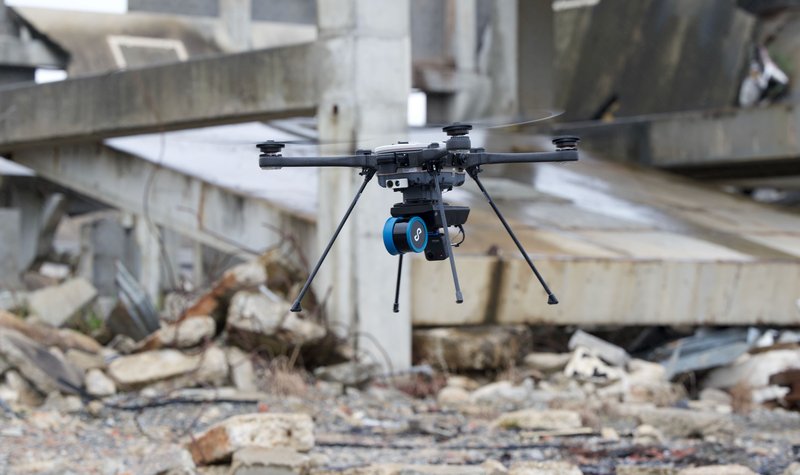
In a partnership with Emesent, Teledyne FLIR will equip its autonomous air, ground and detection systems with the Hovermap LiDAR payload in a move that highlights a broader market shift towards modular architectures, shared payloads and int...
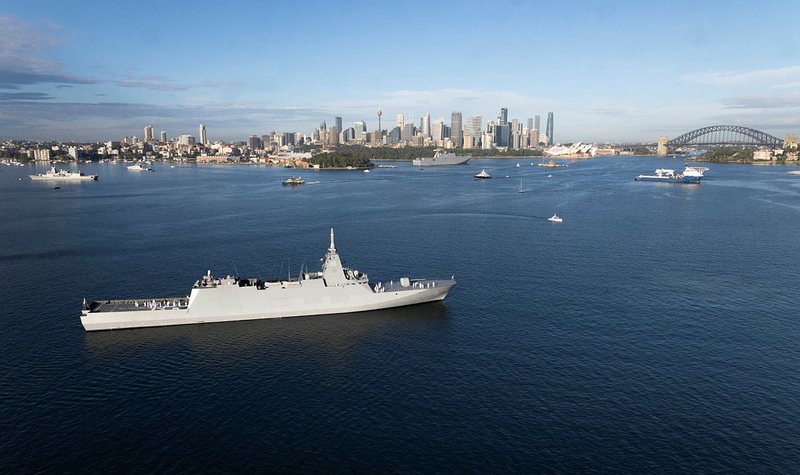
Australia’s selection of an upgraded Mogami-class frigate marks Japan’s first-ever export of a major surface combatant. With an ambitious 2029 delivery target, the deal could open the door to further naval exports – but inexperience and geo...
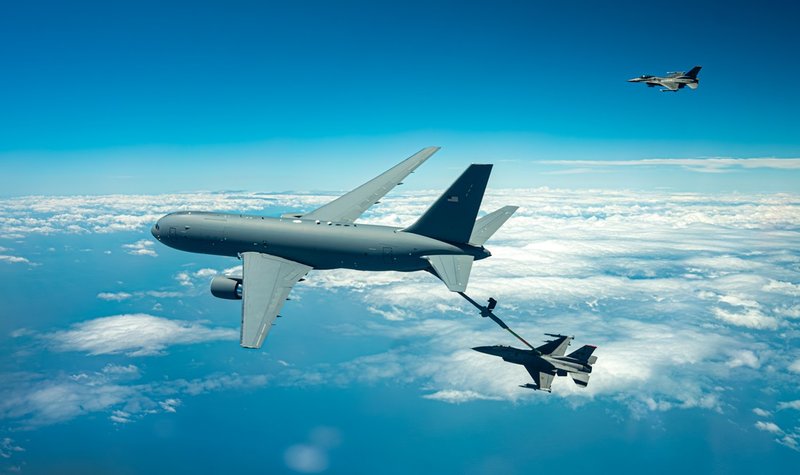
The USAF’s Next-Generation Aerial Refuelling Programme is coming under scrutiny in the wake of the Pentagon’s FY2027 budget request, signalling a change in how the force could prioritise the modernisation of its tanker fleet.
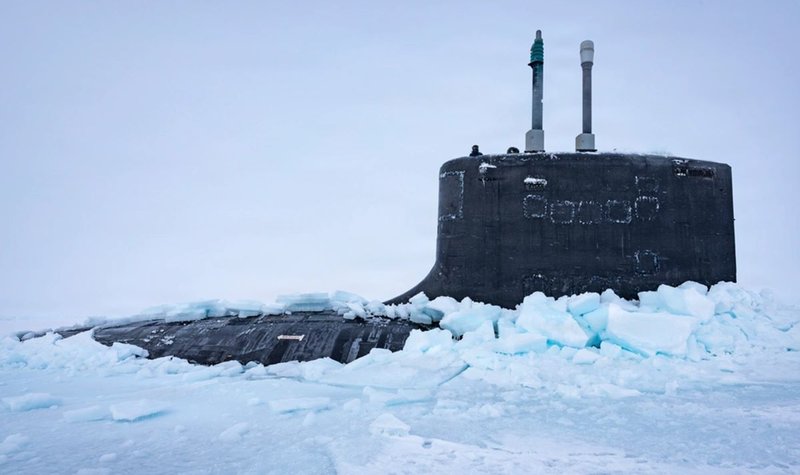
As sea ice extent hits a record low and geopolitical tensions increase in the High North, navies are contending to adopt the technologies needed to operate beneath an increasingly unpredictable Arctic Ocean.
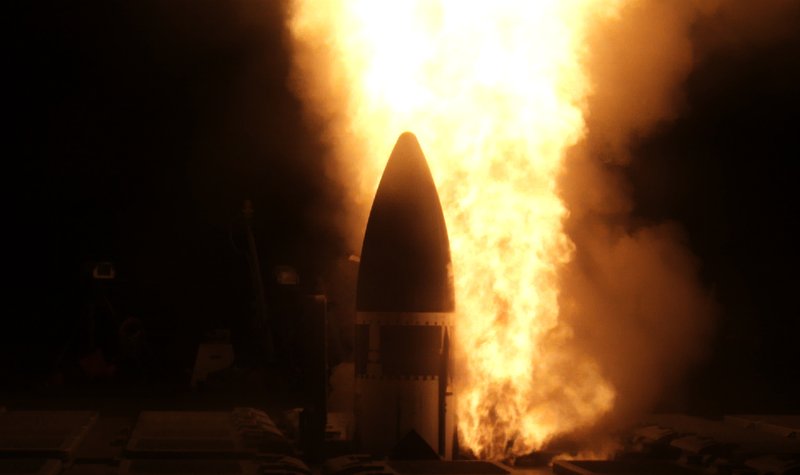
The Pentagon’s proposed budget for the next fiscal year includes an impressive increase in the procurement of interceptors, with the number of the US Army’s PAC-3 MSE rounds expanding by 683%, the US Navy’s Standard Missile by 365% and the ...
The US-led mine clearance mission in the Strait of Hormuz is a reminder of the long-overdue reckoning among Western navies. With ageing fleets and uncrewed systems still maturing, the gap between rhetoric and investment is becoming increasi...
The Australian government’s 2026 National Defence Strategy has unveiled a major spending uplift planned for the Royal Australian Air Force, focused on upgrading its air combat and intelligence, surveillance and reconnaissance capabilities, ...
The 2026 Integrated Investment Program allocates up to A$130 billion for undersea warfare, committing the Royal Australian Navy to nuclear-powered submarines, autonomous platforms and an expanded surface combatant fleet over the next decade...
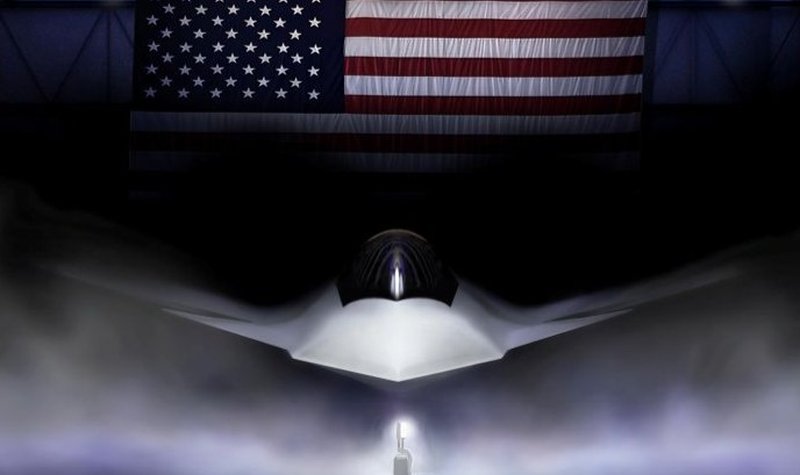
The record-breaking defence budget request focuses on bolstering some core next-generation aircraft programmes across each domain, although questions remain on the US's commitment to some key defence programmes.