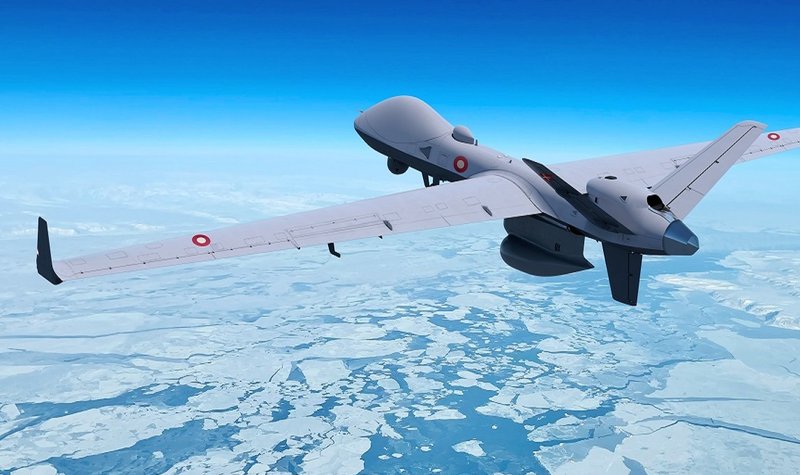
The UK is seeking to extend the operational reach of uncrewed aerial vehicles, reflecting growing demand for compact, energy-efficient technology to support beyond-line-of-sight operations.
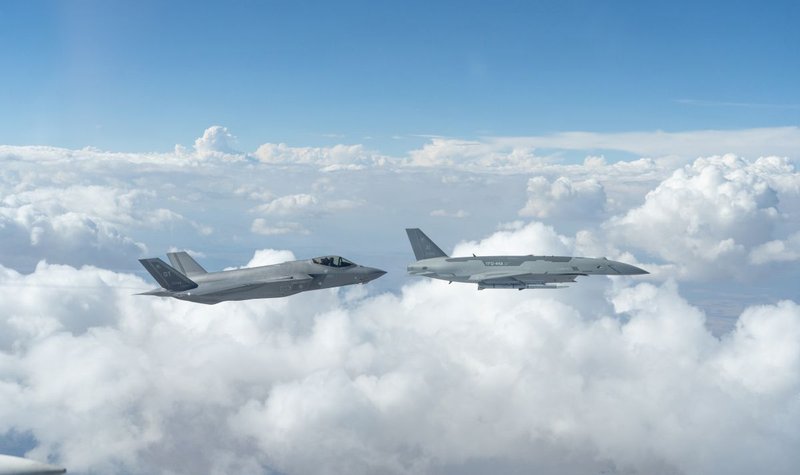
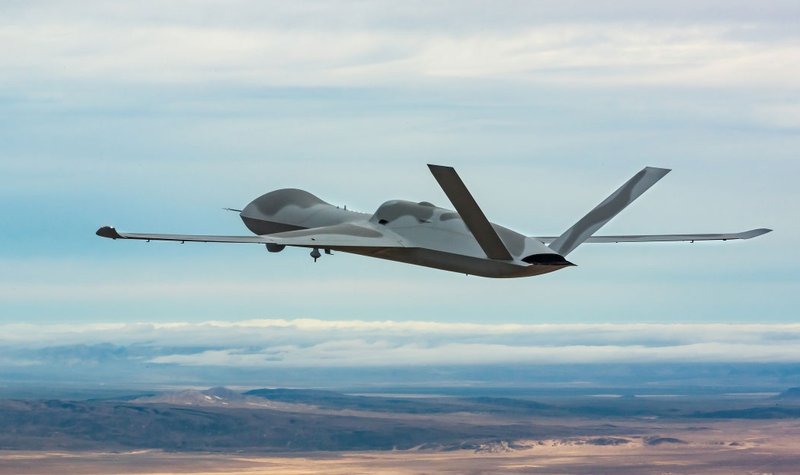
Northrop Grumman, Airbus and Anduril are positioning their uncrewed aerial vehicles for future collaborative combat aircraft contracts in a market that is forecast to exceed $36 billion.
Any potential ‘Arctic Sentry’ mission would be months in the planning, but with tensions high in the region given the US’s push for Greenland, NATO countries will need to continue to emphasise their commitment to the region, analysts have s...
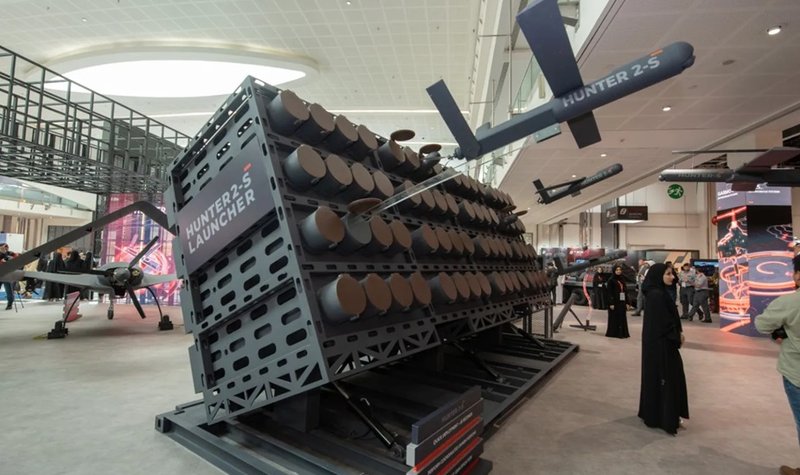
Once approved by shareholders, the newly established manufacturing company will be developed in Spain and will look to address the burgeoning demand for loitering munitions from Spain and the rest of Europe.
A memo released on Monday outlines three key areas where the Pentagon can accelerate its adoption of artificial intelligence, including paths to finding new ways to integrate AI in combat, while the US Navy continues to push ahead with AI-e...
The US Department of Defence along with its services and agencies have been increasing efforts to enhance the uncrewed aerial vehicle capabilities to succeed in future warfare.
The UK competition for industry to develop deep-strike capabilities for Ukraine in its war effort against Russia will also provide benefits for the country’s own long-range strike efforts.
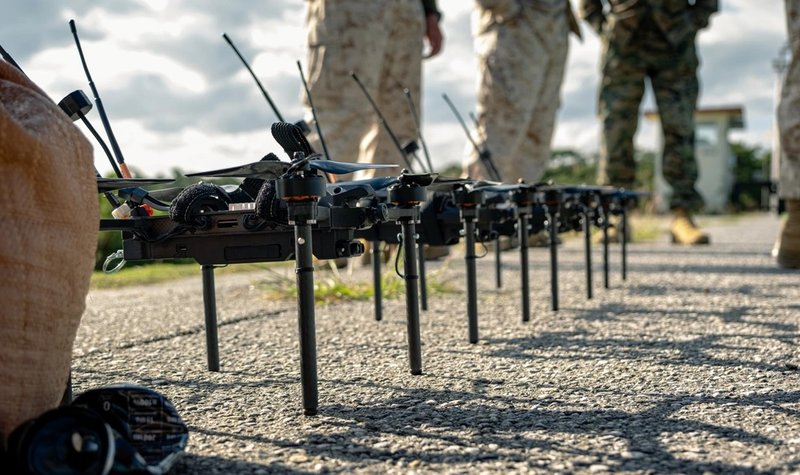
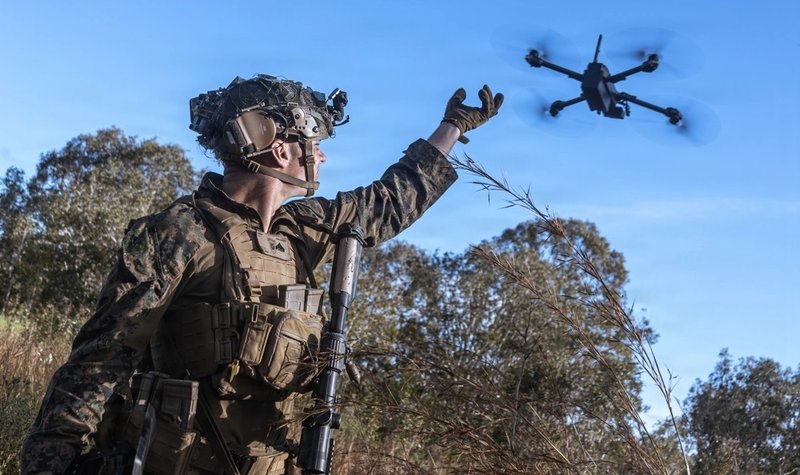
The US Marine Corps is looking for vendors capable of quickly delivering off-the-shelf drones. The small uncrewed aerial systems are expected to carry diverse types of payloads.
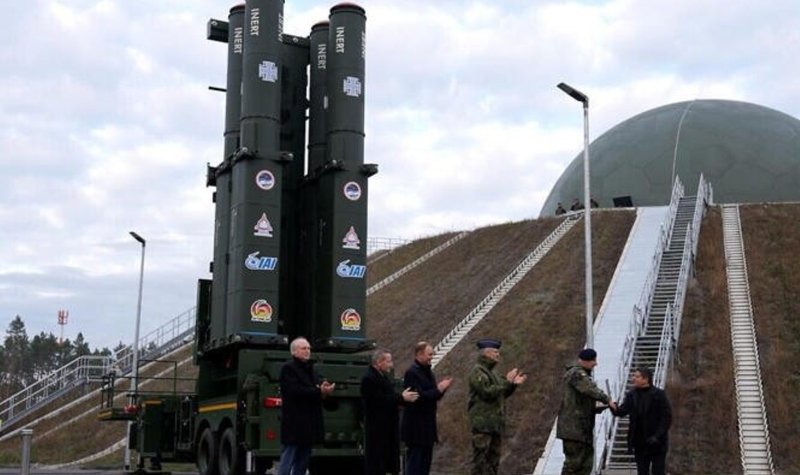
Germany’s move to buy Israel Aerospace Industries’ Arrow missile defence system became public in mid-2023 with approval from the US government shortly after. The first operational system is expected to be in service before 2030.
The 2025 Dubai Airshow saw several aspiring suppliers of combat aircraft to the region’s air forces parade their wares in the sky and on the ground. Shephard’s Edward Hunt explores their chance of success in the Middle East.
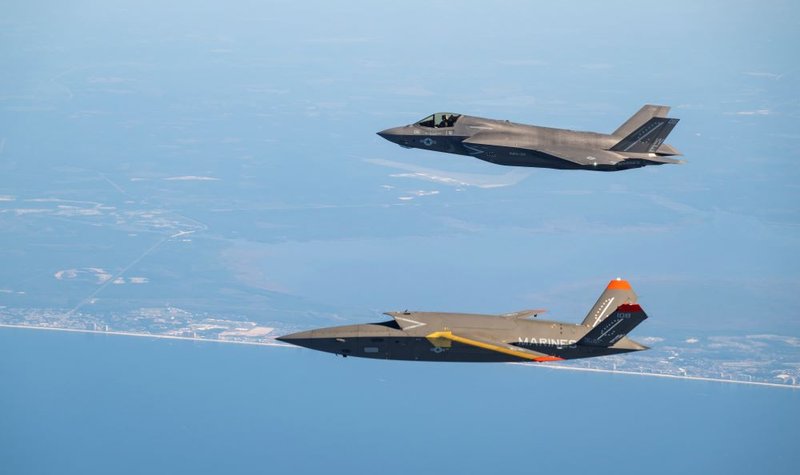
Northrop Grumman will provide the autonomy software for the USMC loyal wingman, which will be integrated into Kratos’ XQ-58 Valkyrie uncrewed aerial system.
It has been more than two decades since Lithuania joined the EU and NATO, which followed the country’s independence from the USSR almost 15 years before that. The country is now in the shadow of the Russia-Ukraine war with air incursions fr...