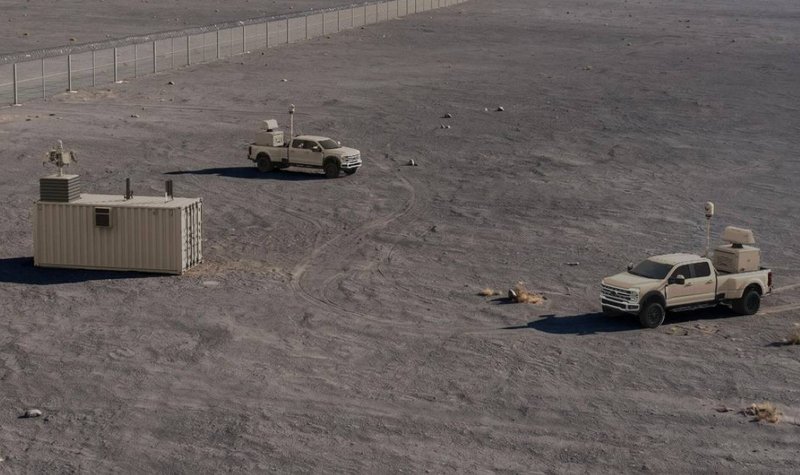
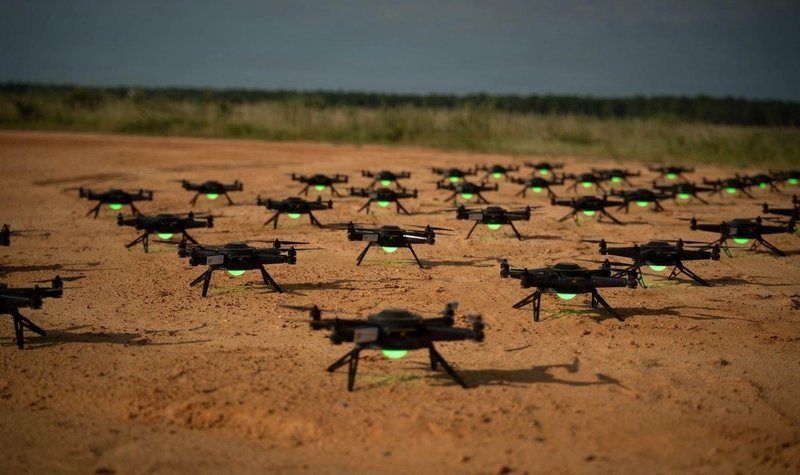
New developments from MARSS, MyDefence, Mountain Horse Solutions and Rafael suggest that future counter-drone protection will increasingly depend on combining advanced detection, rapid interception and integrated defensive networks.
The optionally crewed, C-130-transportable platforms would combine modular offensive and defensive fires with autonomous resupply, with demonstrations planned for Talisman Sabre 2027.
Roman Köhne, CEO of Rheinmetall's Weapon and Ammunition Division, discusses the company's announcements at Eurosatory 2026, including developments in defence technology, precision systems, industrial ...
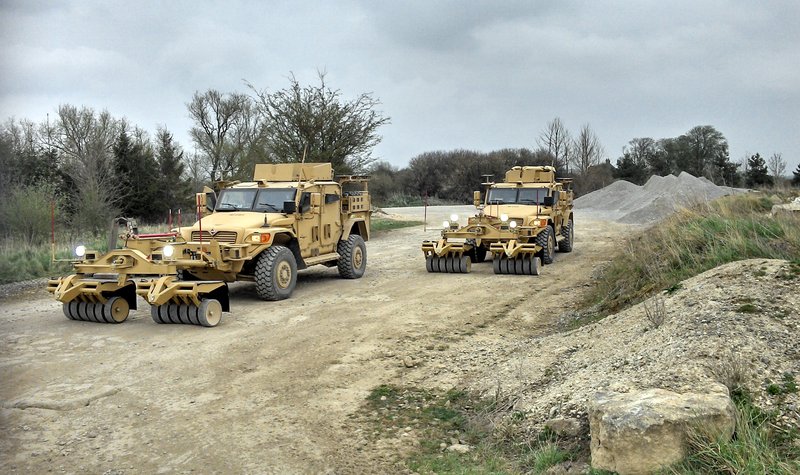
Pearson Engineering has provided equipment and engineering expertise to the Armed Forces of Ukraine since the beginning of the full-scale Russian invasion in 2022. The British company is now working to deepen engagement with the Ukrainian d...
In the modern battlespace, military intercom systems can no longer operate in isolation. They must instead be integrated with the wider tactical network, gaining operational advantages through secure communications with dismounted soliders ...
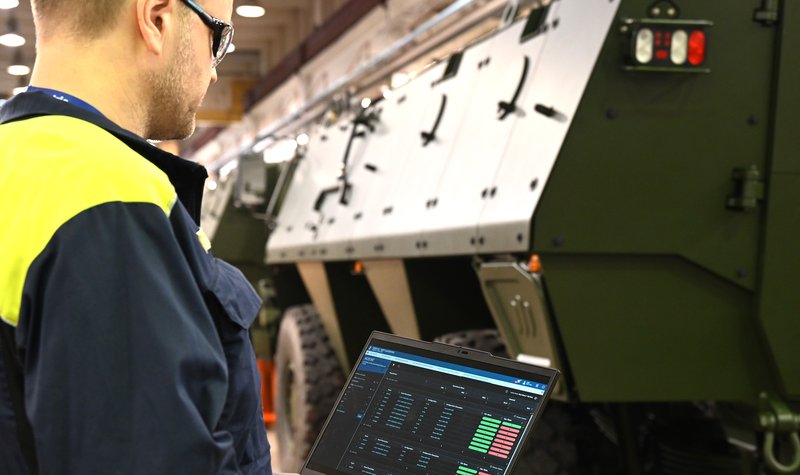
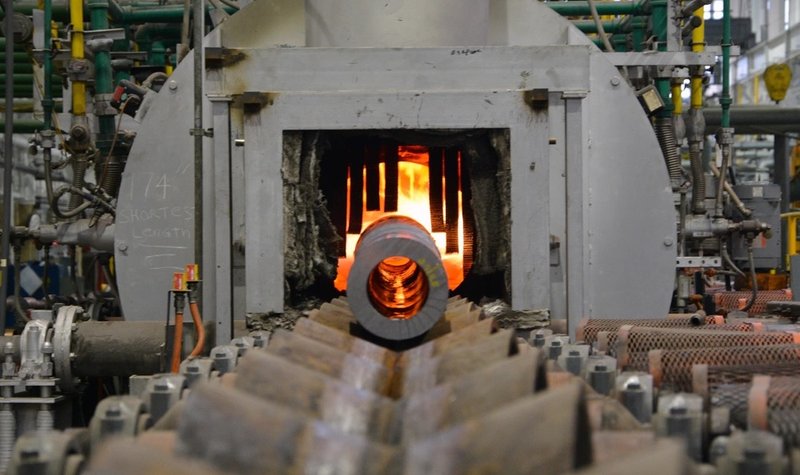
Watervliet Arsenal’s digital manufacturing push opens opportunities for industry as the US Army modernises cannon production and its wider Organic Industrial Base.
US Air Force, Army, Marine Corps and Special Operations Command initiatives signal demand for interoperable uncrewed systems control, creating opportunities for suppliers of hardware, software and integration services.
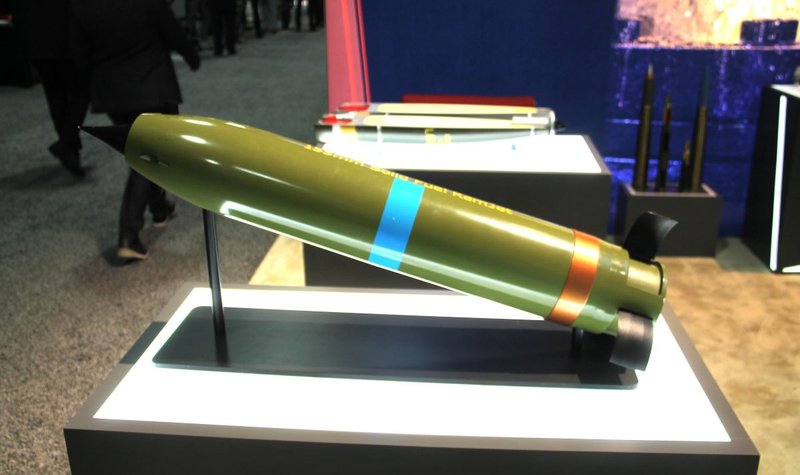
Nammo is developing new artillery ammunition designed to extend firing ranges, combining ramjet propulsion research with conventional, base-bleed and rocket-assisted projectile designs.
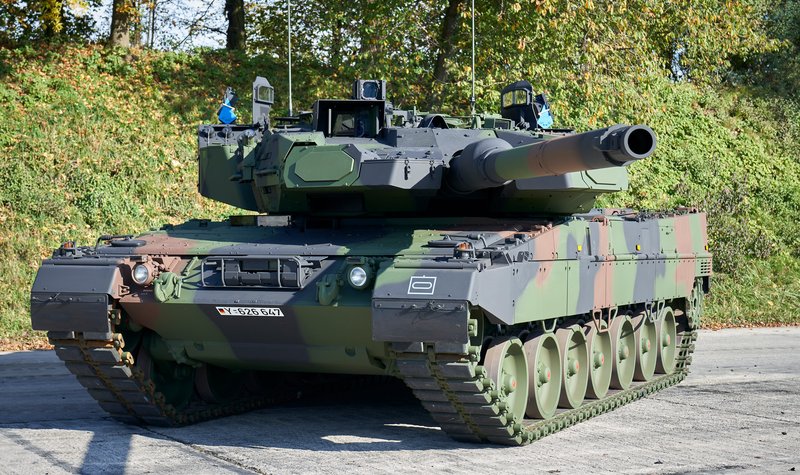
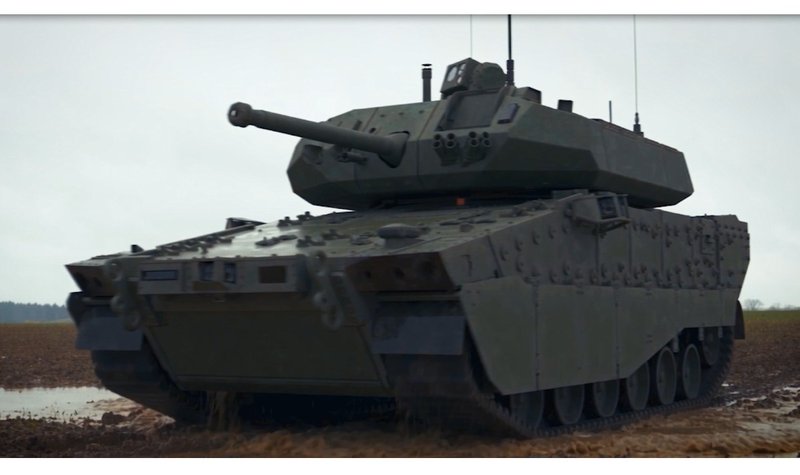
The US Army’s XM30 programme is an ambitious multi-billion-dollar effort to replace Bradley infantry fighting vehicles. American Rheinmetall and General Dynamics Land Systems are fighting for the contract.
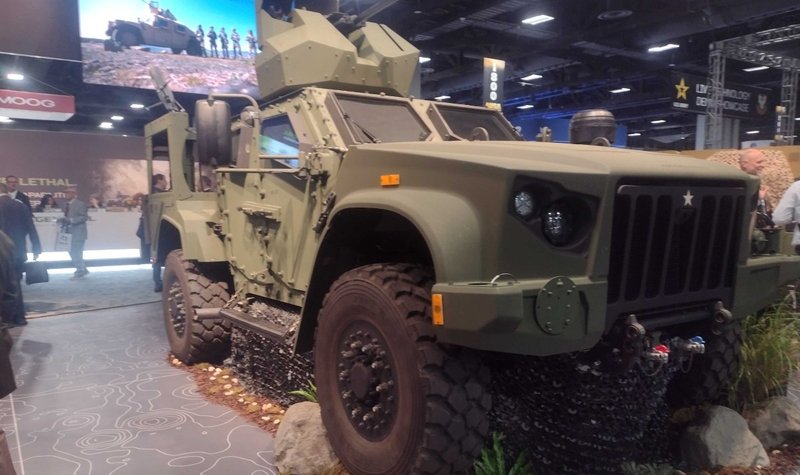
The Joint Light Tactical Vehicle programme for the US Marine Corps appears to be making progress, with AM General increasing production of its version while Oshkosh Defense has secured long-lead materials in anticipation of becoming a secon...
In Conversation… The geopolitical landscape is increasingly uncertain, with the UK and its allies confronting the most unpredictable international environment for decades. To adapt, defence readiness must begin long before assets reach the ...
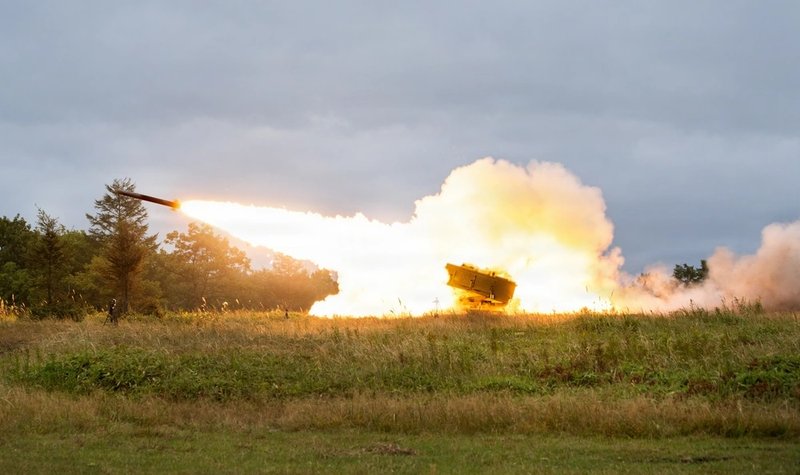
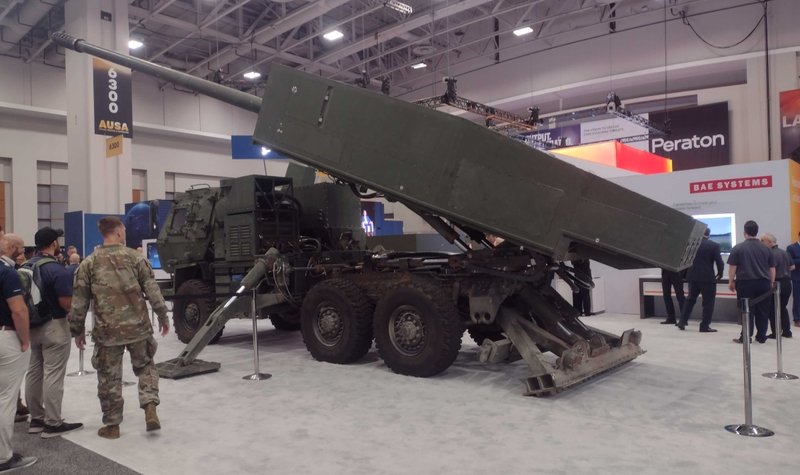
The company's new artillery demonstrator is intended to engage incoming missiles and ground targets, while a separate microwave system focuses on uncrewed aerial threats.
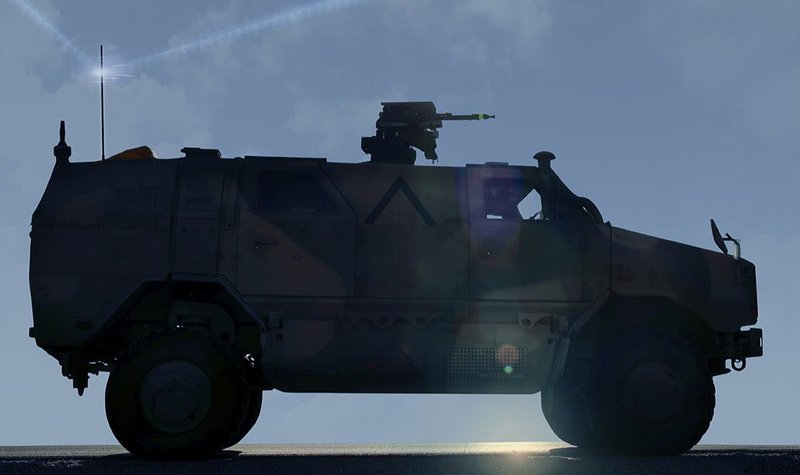
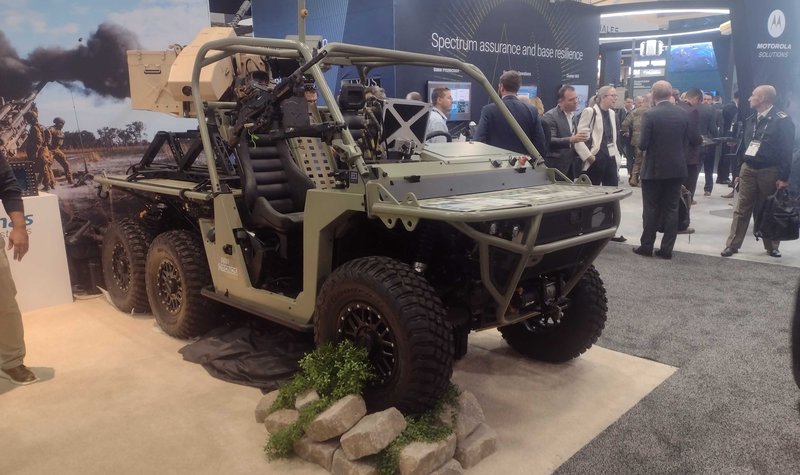
An elevated remote weapon station, radar sensor and 12.7mm machine gun provide the Australian vehicle with a potential mobile counter-drone capability.
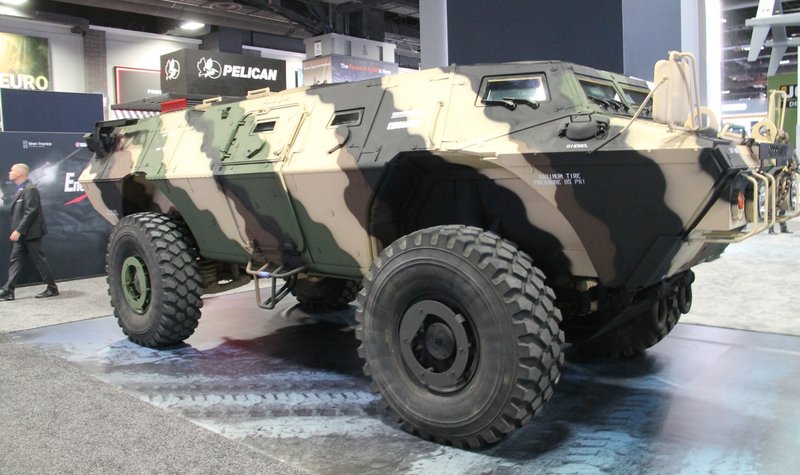
The latest Commando Select configuration incorporates improvements to its powerpack and suspension, with the first of 65 vehicles destined for Ukraine expected to be delivered in early 2027.