South American air forces are weighing advanced electronic warfare capabilities against limited budgets as Peru selects Viper Shield and BAE Systems targets smaller airborne platforms.
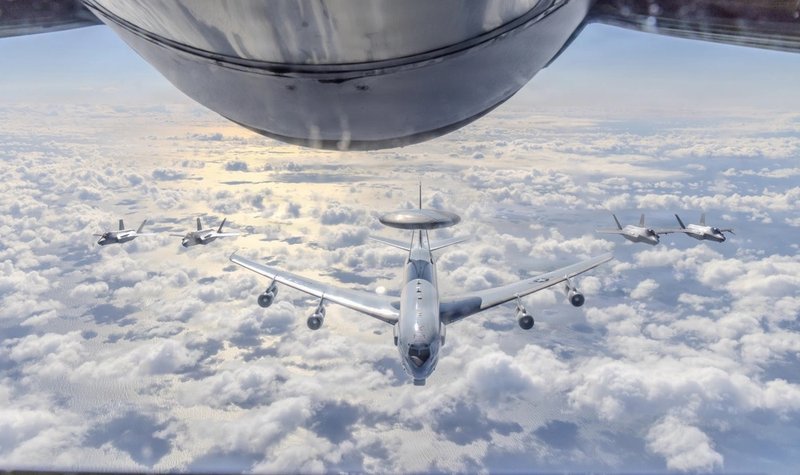
The US Air Force says the Sentry fleet’s DAR-400 encryptor can no longer keep pace with changing security requirements and warns that a failure could affect US operations and data security.
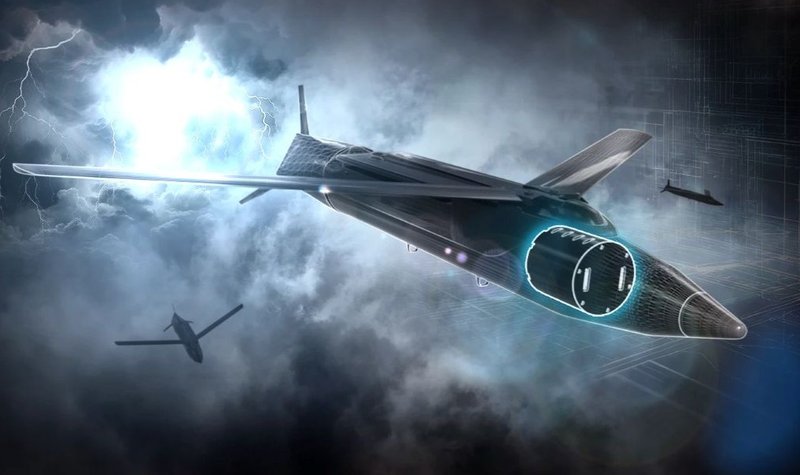
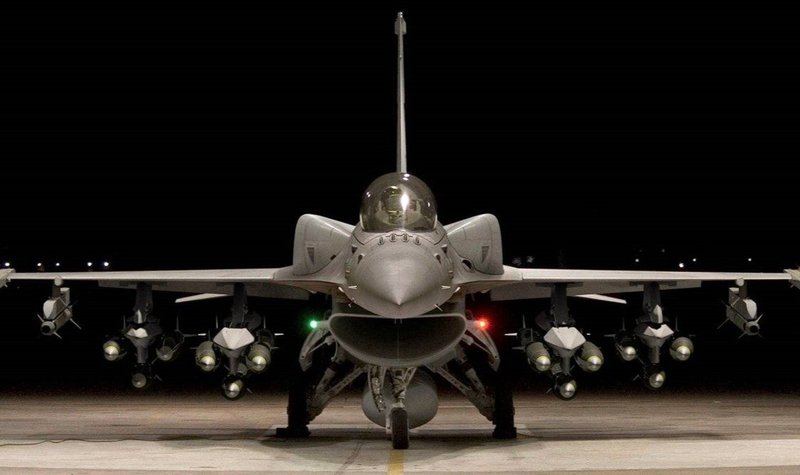
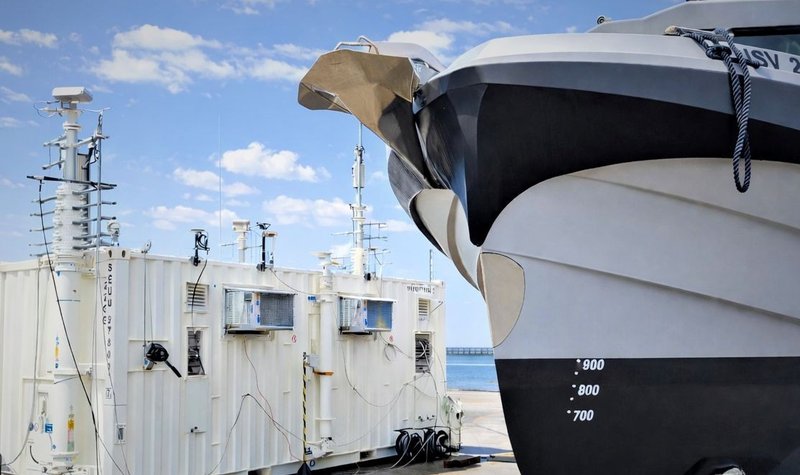
L3Harris has completed the production candidate software load for its Viper Shield airborne electronic warfare system and is conducting sea trials with its VAMPIRE counter-drone system.
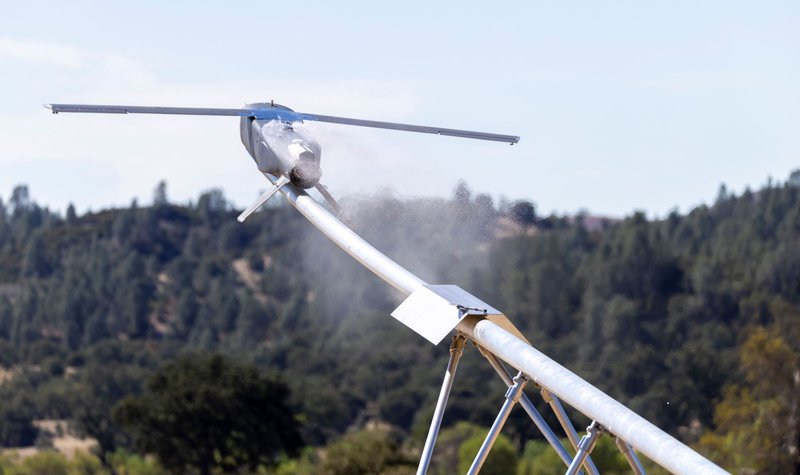
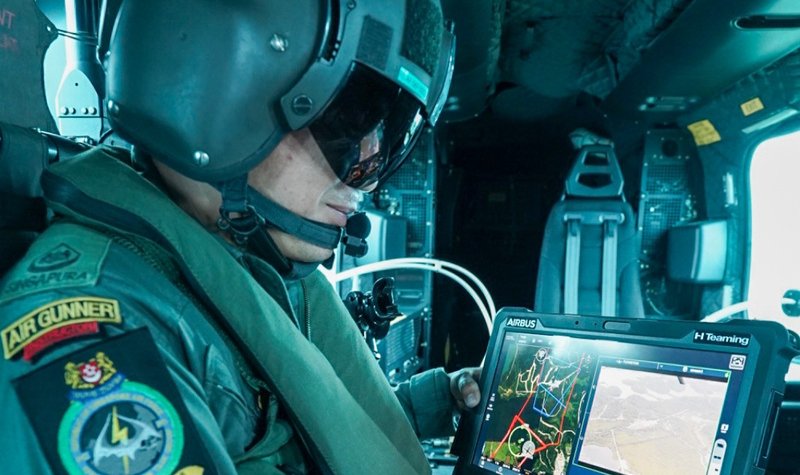
The tests between a Republic of Singapore Air Force H225M and Airbus Flexrotor uncrewed aerial system were designed to allow the crew to receive and process real-time data from the UAS while maintaining direct command and control.
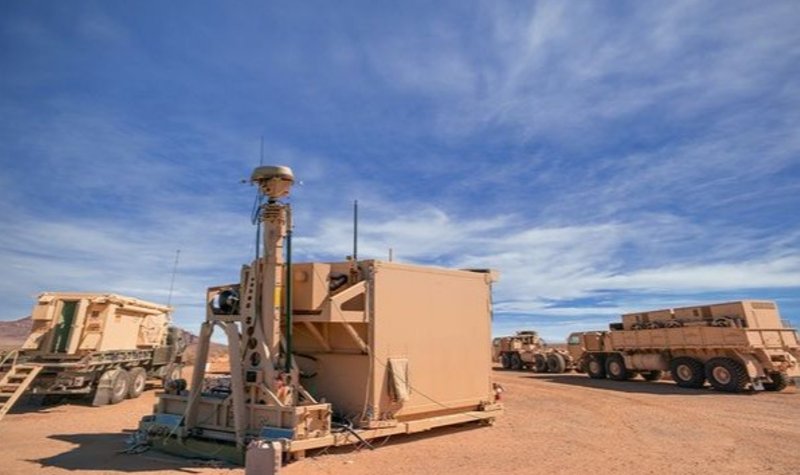
The Northrop Grumman Integrated Battle Command System is in service with Poland and the US Army with another 20 countries believed to have expressed an interest.
In Conversation... Shephard’s Gerrard Cowan talks to Sam Steggall, GDMS–UK’s Senior Director – Air and Naval UK, about the company’s extensive and proven in-country capability to deliver complex avionics solutions and its key role on major ...
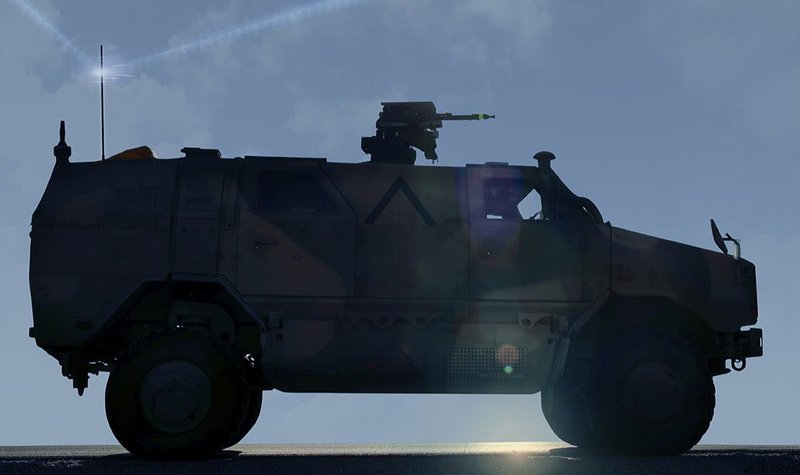
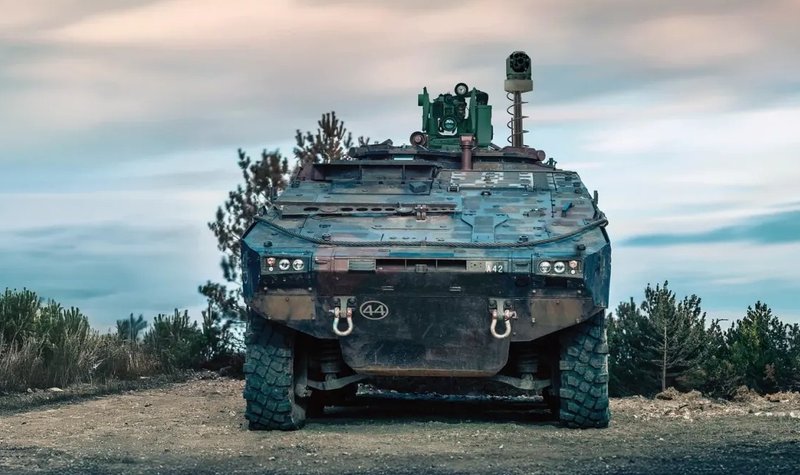
The Thales DigitalCrew package, first unveiled at last year’s Defence IQ International Armoured Vehicles conference, is designed to merge imaging and apply a layer of decision-making and observation algorithms to support crew and other pers...
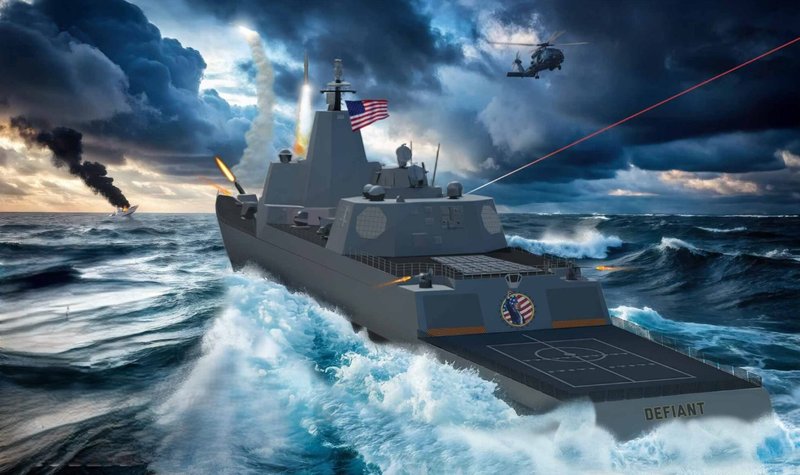
The US Navy is set to invest $30 billion in artificial intelligence, cyber, space and autonomy research and development efforts in FY2026 as the force rethinks how it fights in light of China’s naval rise.
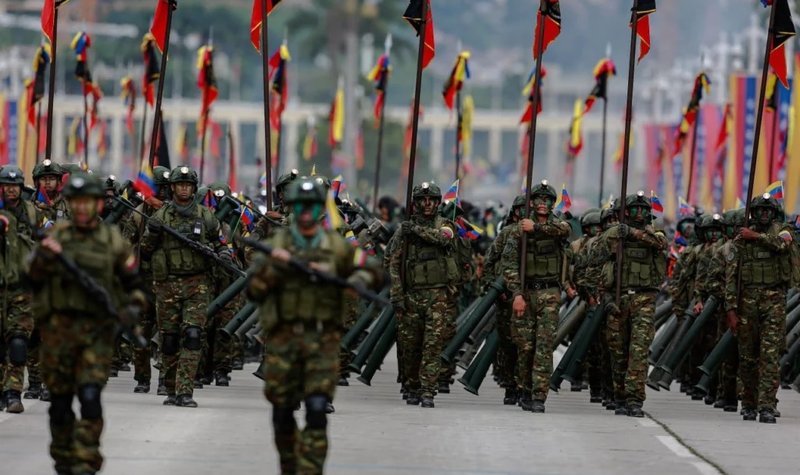
Defence Minister Gen Vladimir Padrino López has declared that the Venezuelan armed forces “will continue to employ all its available capabilities for military defence”.
The US Army is keen to hear about vendor designs, strategies and potential hardware and software solutions to inform requirements for procurement efforts.
The agreement to provide portable autonomous command centres to the UK Royal Navy will enhance the service’s Mine Counter Measure operations and further integrate autonomous and uncrewed systems into its fleet.