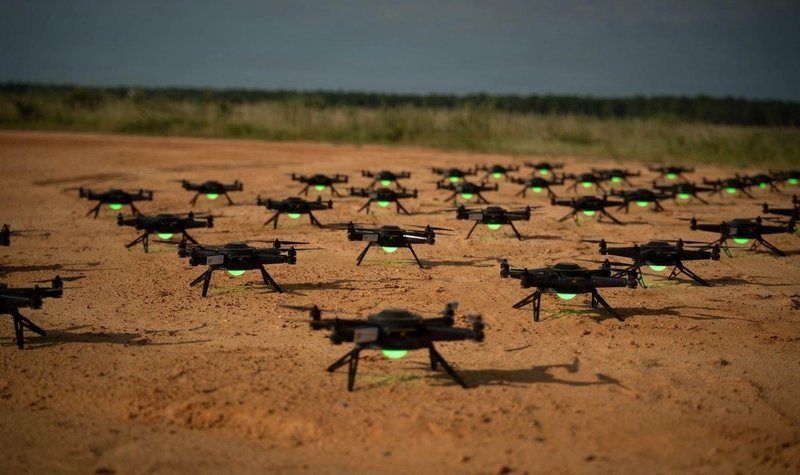
US Air Force, Army, Marine Corps and Special Operations Command initiatives signal demand for interoperable uncrewed systems control, creating opportunities for suppliers of hardware, software and integration services.
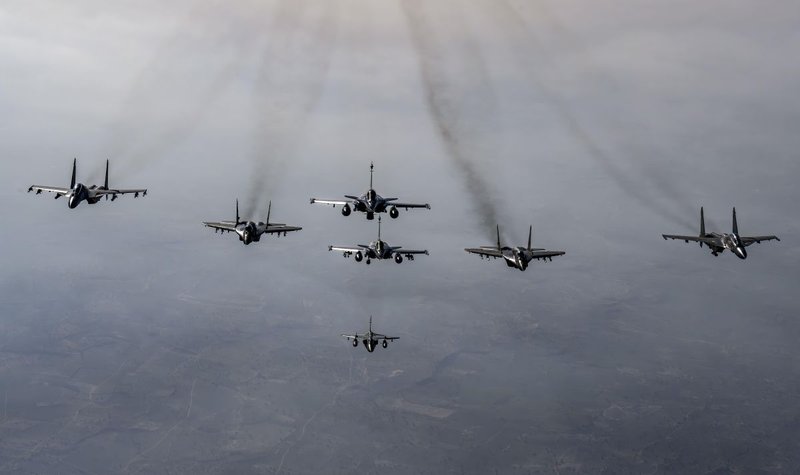
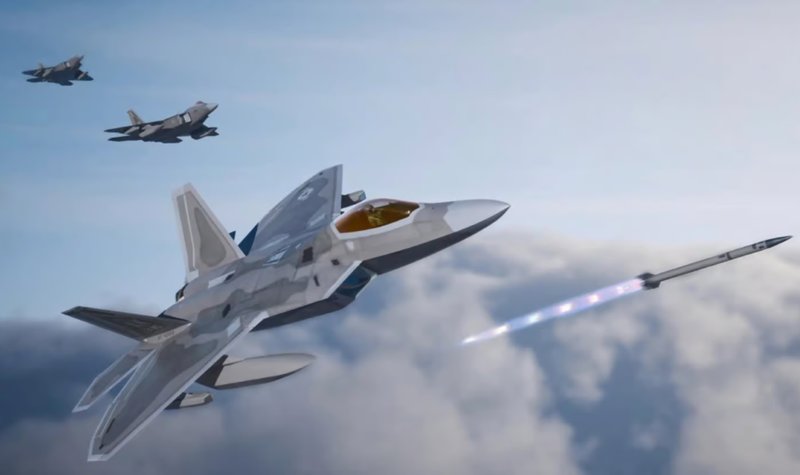
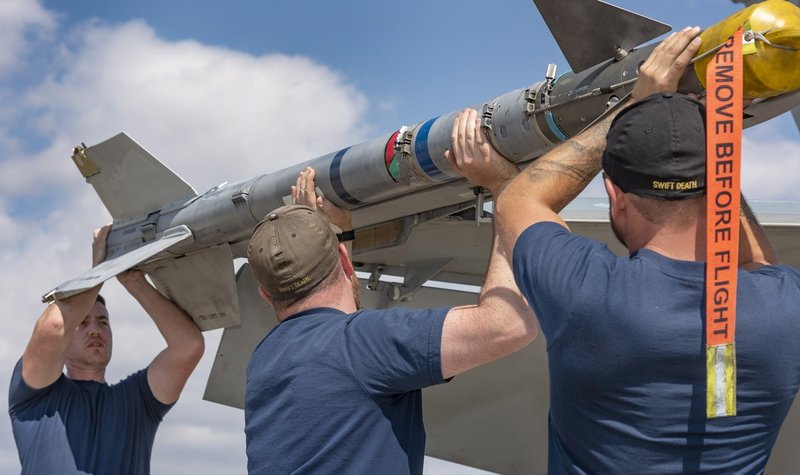
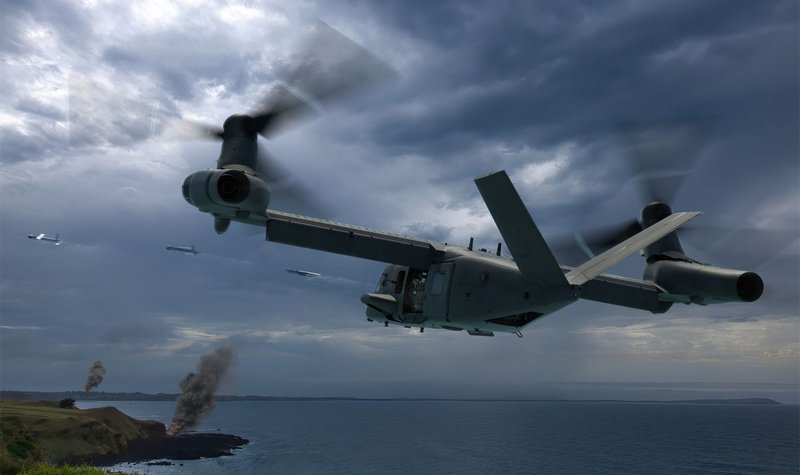
As global air combat operations continue to evolve at a rate not seen for decades, what will the next generation of air-to-air weapons look like, and what missions will they need to fulfil?
Exclusive: Ottawa says its future NORAD interceptor must be highly stealthy, resistant to jamming and capable of engaging threats at very long range, while leaving the competition open to domestic and international suppliers.
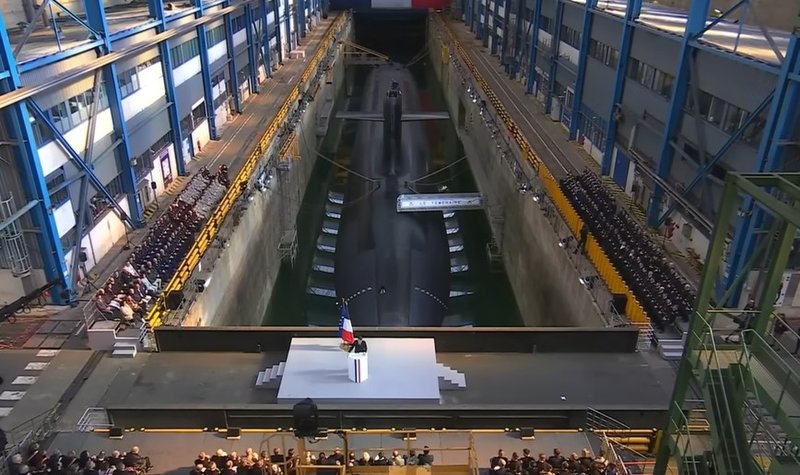
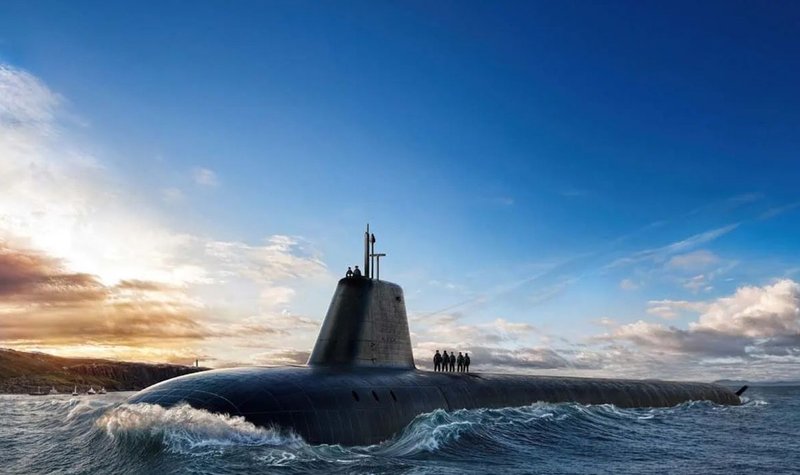
The UK government’s £8.4 billion Dreadnought Phase 4 investment sets aside £2.5 billion for the wider submarine supply chain, opening new work beyond BAE Systems’ prime contract.
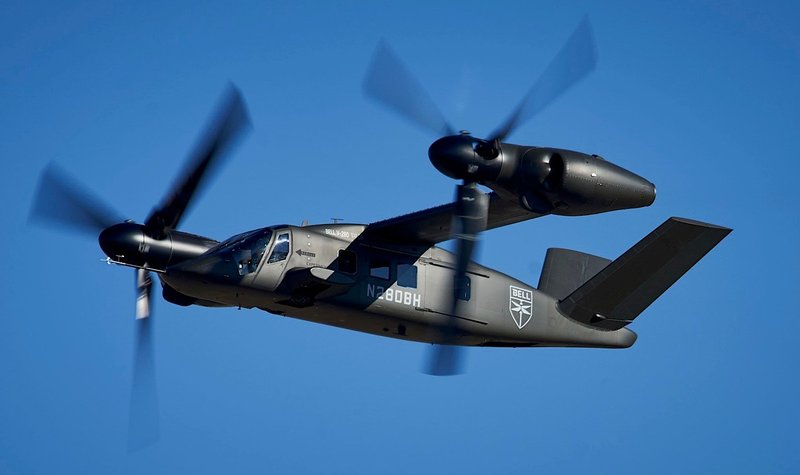
The US Department of Defense has requested new contracting authorities from Congress, using the Army's MV-75 Cheyenne programme to demonstrate how competition, digital engineering and closer industry collaboration could accelerate acquisiti...
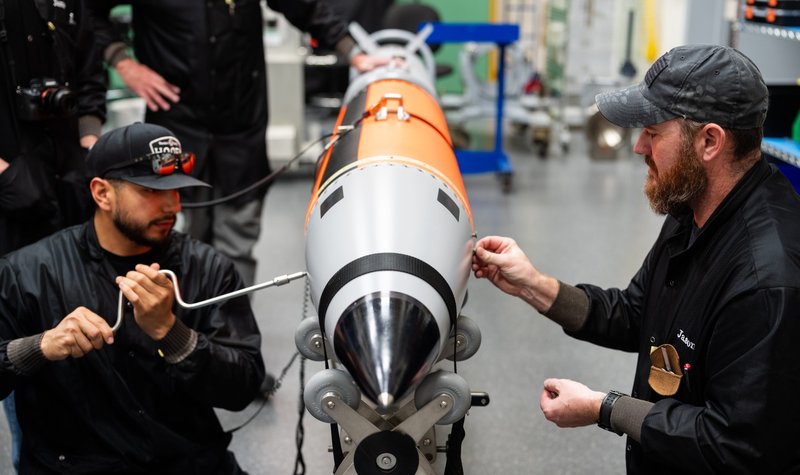
The US government plans to accelerate production even further after achieving key B61-13 milestones months ahead of schedule, as the programme advances amid growing US-China strategic competition.
Bell Flight’s modular open-systems approach for the US Army’s MV-75 Cheyenne could open doors for international allies and suppliers once locked out by closed rotorcraft architectures.
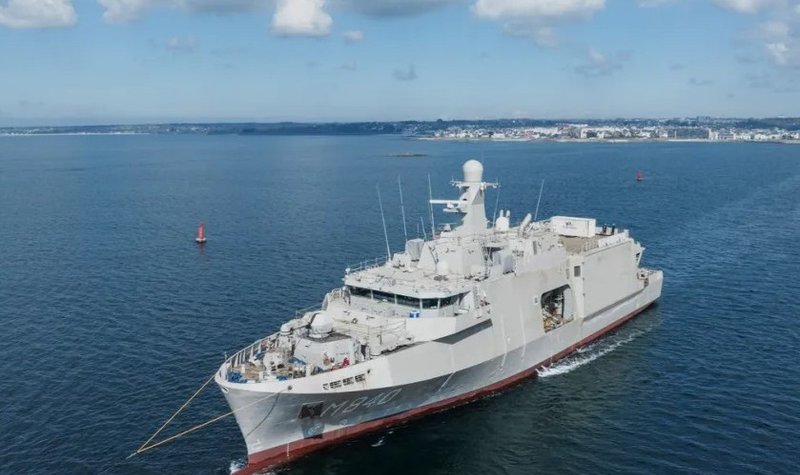
As the Belgian-Dutch replacement mine countermeasure programme progresses, it is becoming clear that motherships will be integral to future MCM operations. Seven years on from the programme’s inception, the impact of its forward-looking app...
Honeywell Aerospace charted its growth strategy as a standalone company, with CEO Jim Currier pointing to record defence budgets and a $19 billion backlog as drivers of expansion.
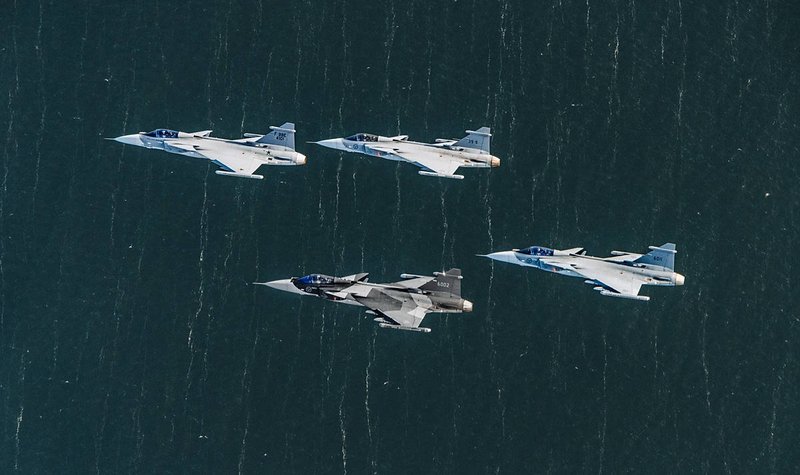
Major General Jonas Wikman said Sweden had accelerated procurement of Taurus missiles and Gripen E capability as its air force adjusts to NATO membership and rethinks its future combat air strategy.
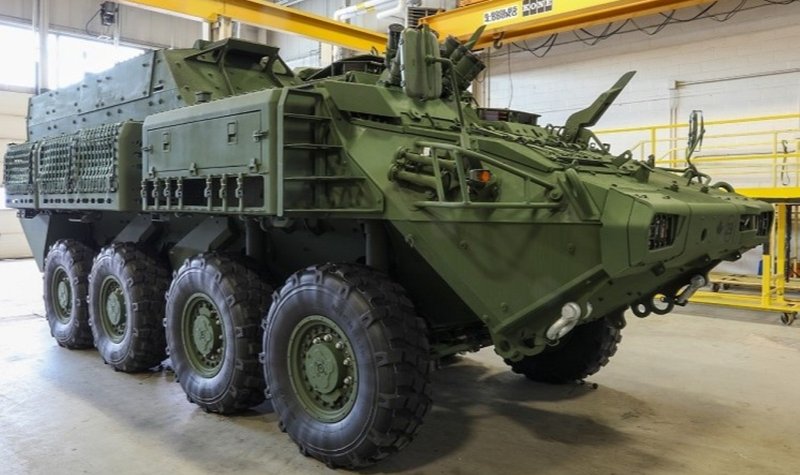
General Dynamics Land Systems-Canada is the country’s first strategic partner under the Defence Industrial Strategy’s Strategic Partnership Framework, an effort to provide companies with confidence to invest and boost the defence labour for...
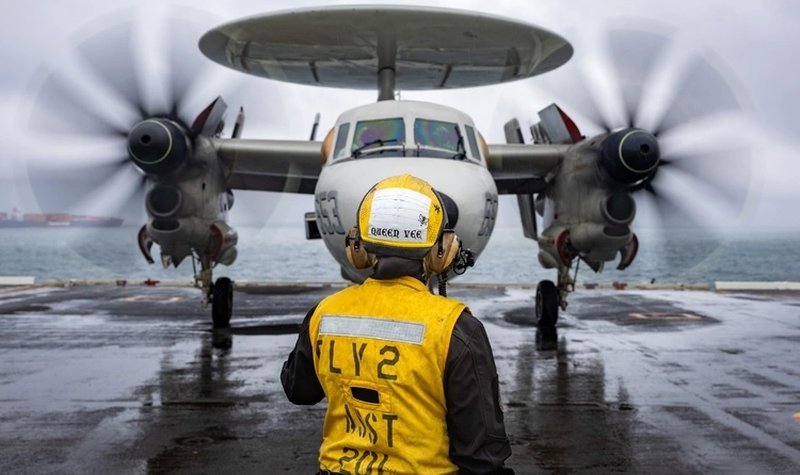
NAVAIR plans to award a five-year retrofit contract to a broader transition of the carrier-based airborne early warning fleet to the AHE configuration.
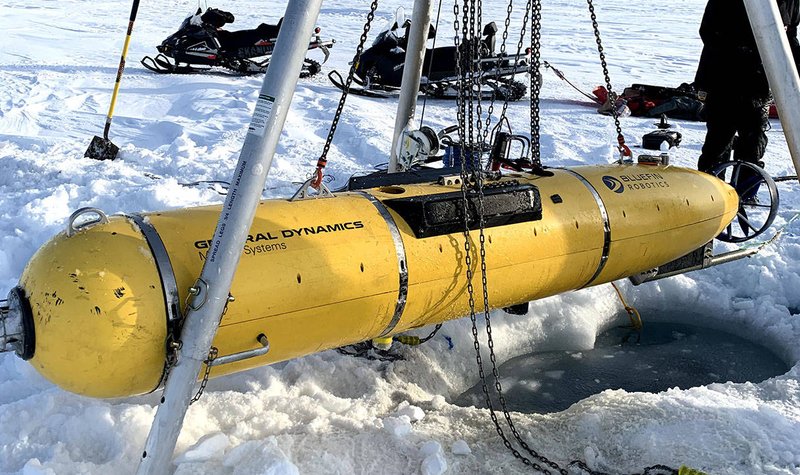
A cluster of acquisitions by Fincantieri, Thales, Lockheed Martin and Rheinmetall points to a race to secure underwater warfare, autonomy and sensing capability.