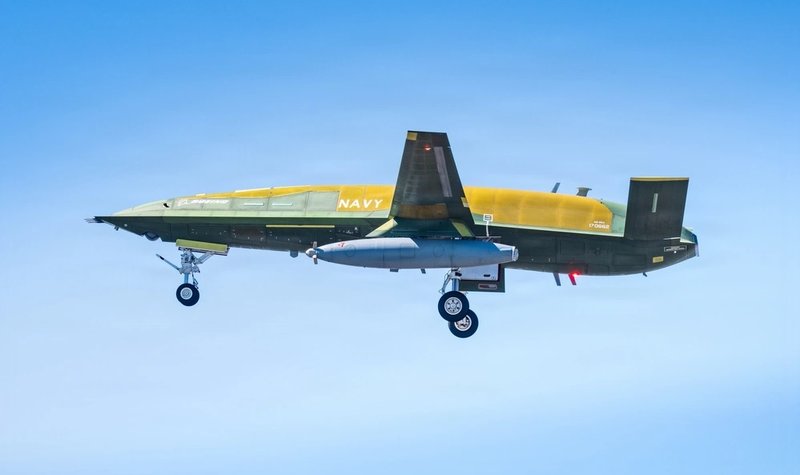
Boeing has outlined its upcoming precision-landing and carrier-airspace trials as MQ-25 manufacturing shifts towards Illinois, with initial Lot 1 deliveries expected in 2029.
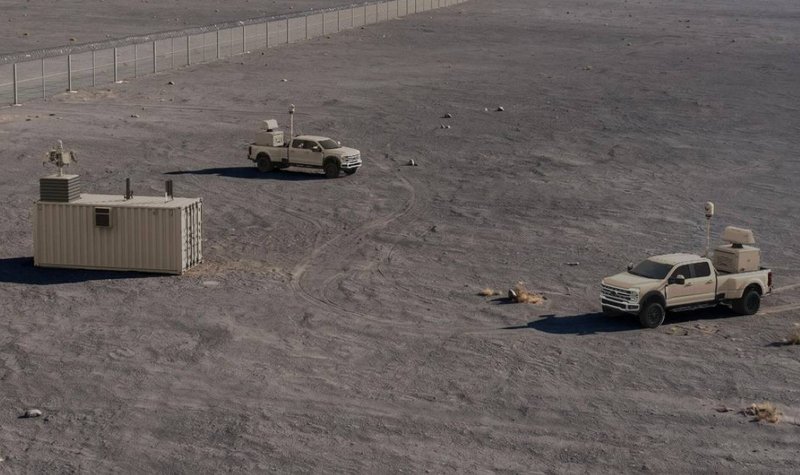
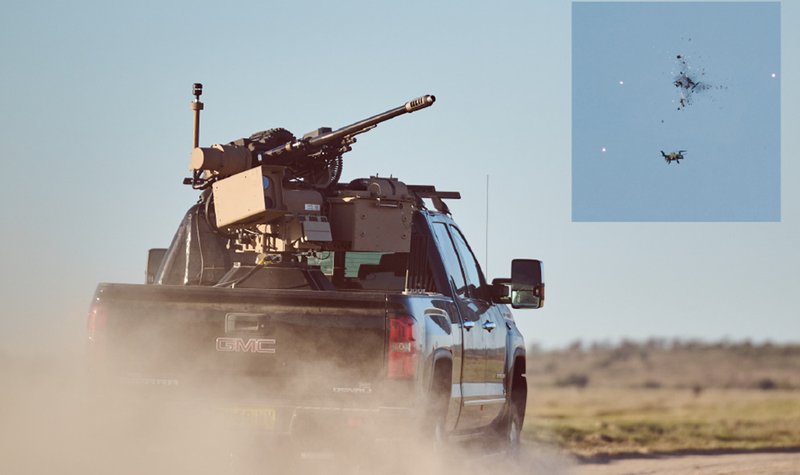
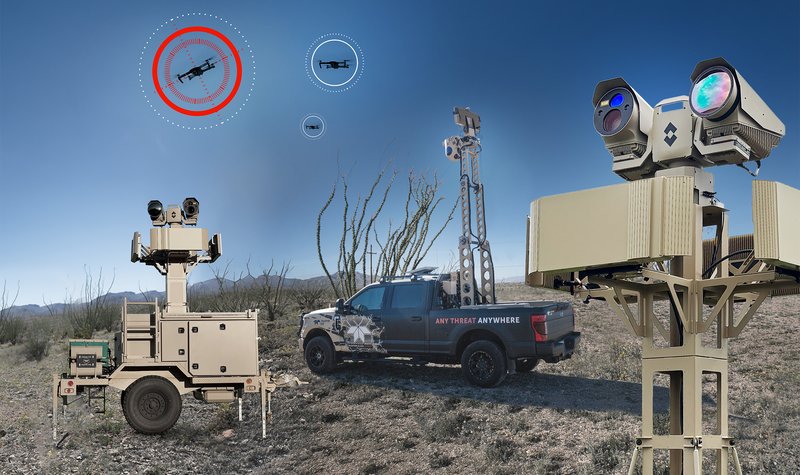
New developments from MARSS, MyDefence, Mountain Horse Solutions and Rafael suggest that future counter-drone protection will increasingly depend on combining advanced detection, rapid interception and integrated defensive networks.
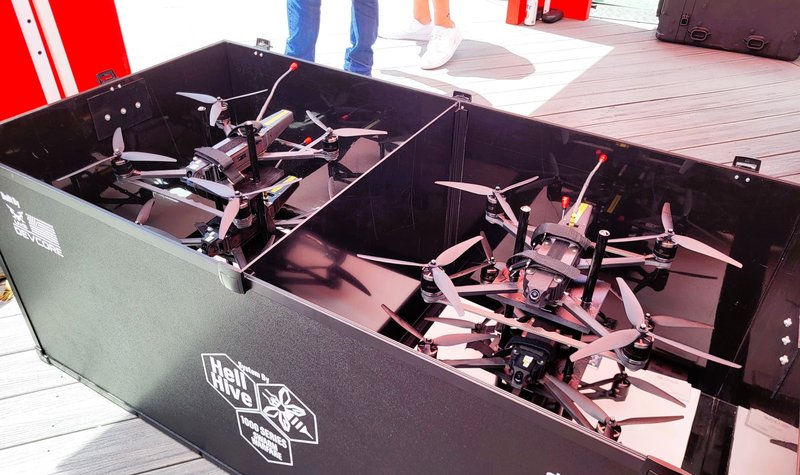
The Mountain Horse Containerised Autonomous Drone Delivery System has been engineered for dispersed, forward UAV operations. It can store, protect, charge, launch and recover drones.
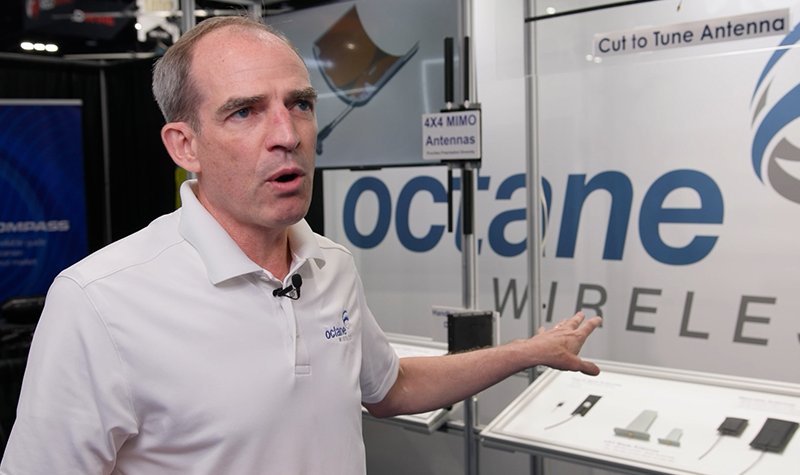
At SOF Week 2026, Austin Farnham, President of Octane Wireless, discusses how direct feedback from special operations forces is helping shape the next generation of battlefield communications technology.
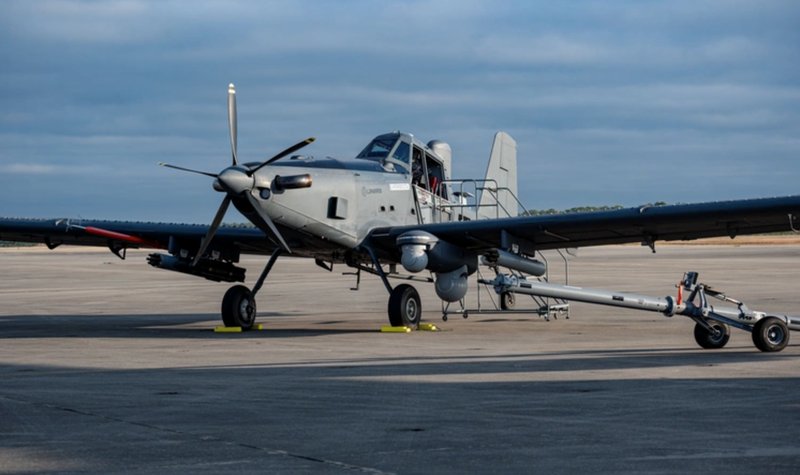
AFSOC has revealed a new Block II variant of the OA-1K Skyraider II featuring rapid deployment and reassembly capabilities designed to support expeditionary special operations missions.
As countries increasingly move away from Chinese drone manufacturing and focus on domestic production and collaboration, Europe and the US are well-placed to step in – although cost remains a crucial consideration.
The US Army and USAF are evaluating an AI-enabled imaging capability from Deepnight designed to enhance low-light and no-light operations across multiple platforms and environments.
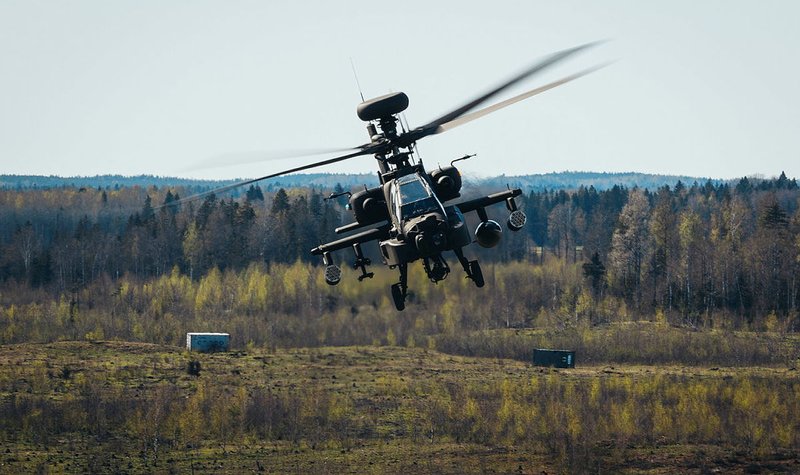
The UK MoD said it would narrow down the competitors from four to two later in the year, with those selected going on to develop the prototype drone that will operate as loyal wingman to the British Army’s Apache AH-64E helicopters.
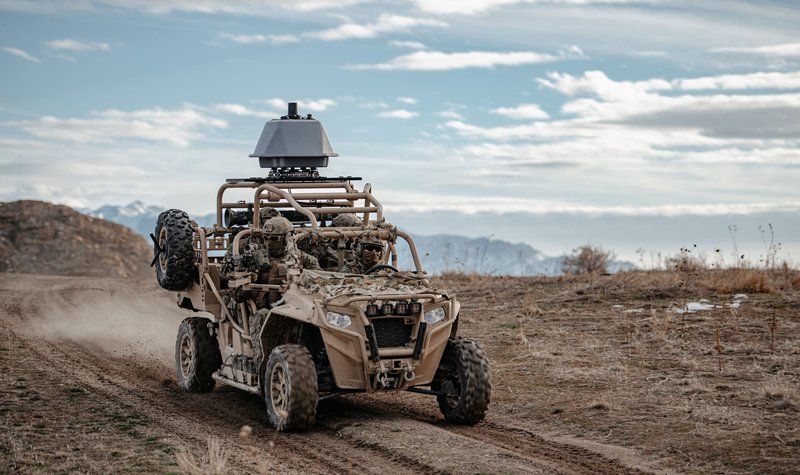
As uncrewed aerial systems and loitering munitions evolve, it is increasingly necessary for counter-uncrewed solutions to keep pace in order to protect not only military facilities and platforms but also dismounted troops.
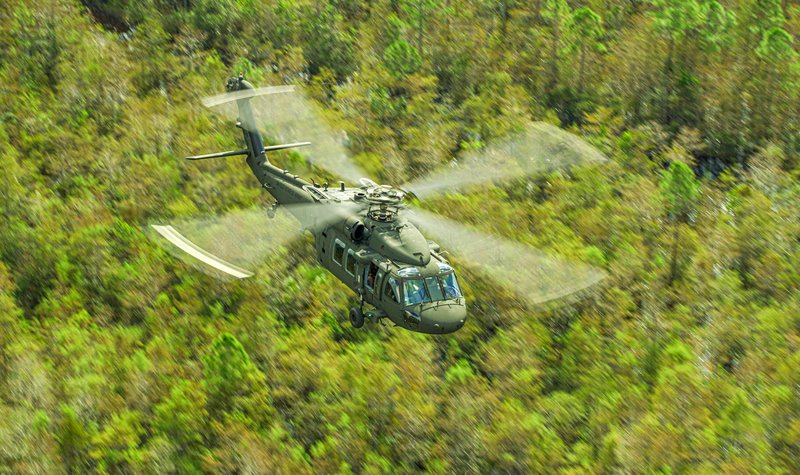
The UH-60M is the latest variant of the UH-60, a workhorse multirole helicopter that continues to attract further orders from across the globe. With further modernisation upgrades underway, the platform is expected to remain in operation un...
The widespread use of drones and loitering munitions in current conflicts has tilted the balance in favour of the attacking force, both operationally and economically. EOS’s Dr Andreas Schwer tackles the question of what kind of C-UAS defen...
How Teledyne FLIR Defense C-UAS solutions – and sensors optimized for third-party systems integrators – deliver early drone detection and decision advantage for UAS threat response
The DroneShield US subsidiary is rapidly expanding its manufacturing footprint in the country and has expedited the process to double its domestic production capacity in at least four months.
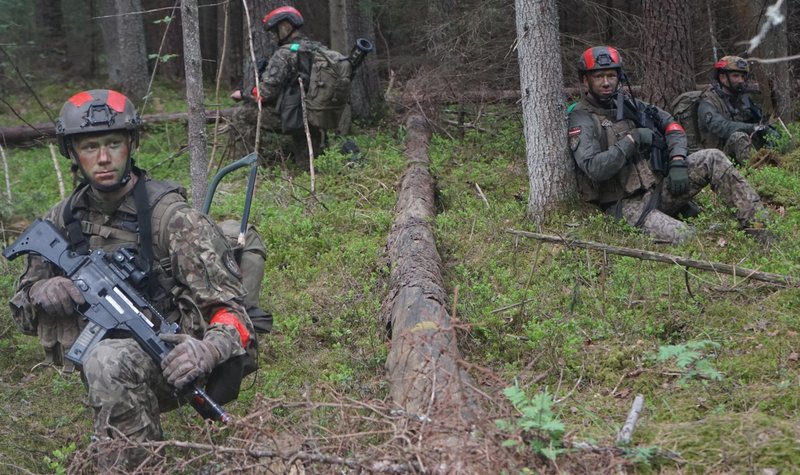
The Crystal Arrow Exercise is being used by NATO as a way to put new equipment such as uncrewed ground and aerial vehicles into the hands of alliance users, particularly Latvian and Baltic forces.