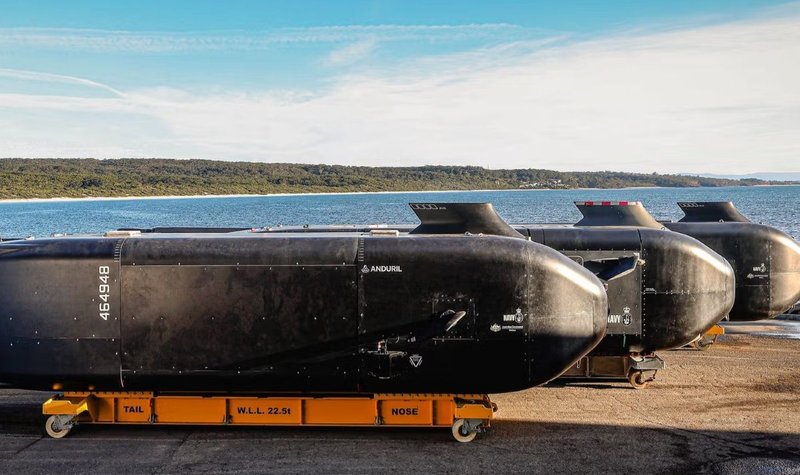
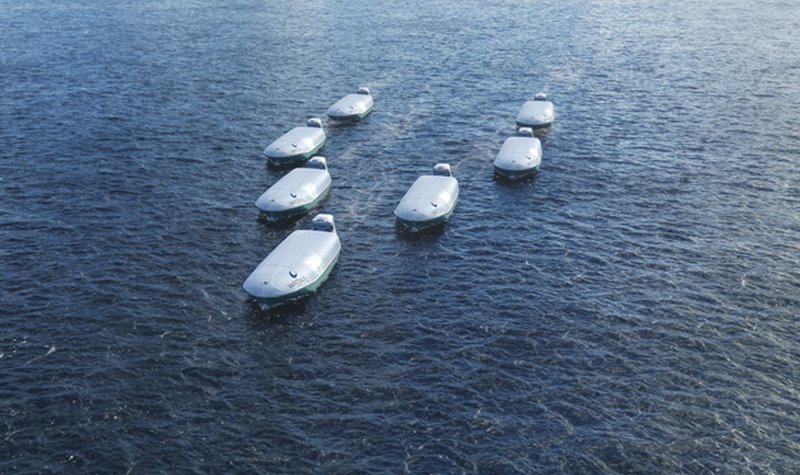
Australia’s A$1.7 billion investment in Ghost Shark offers a potential blueprint for delivering uncrewed underwater capabilities elsewhere, as the UK develops its own requirements.
Drone incursions on Europe’s eastern flank and attempted attacks on Bahrain in November reinforced the need for effective air defences, as NATO and Israel demonstrated counter-drone capabilities. Meanwhile, Shephard highlighted growing opportunities across the uncrewed ground vehicle market.
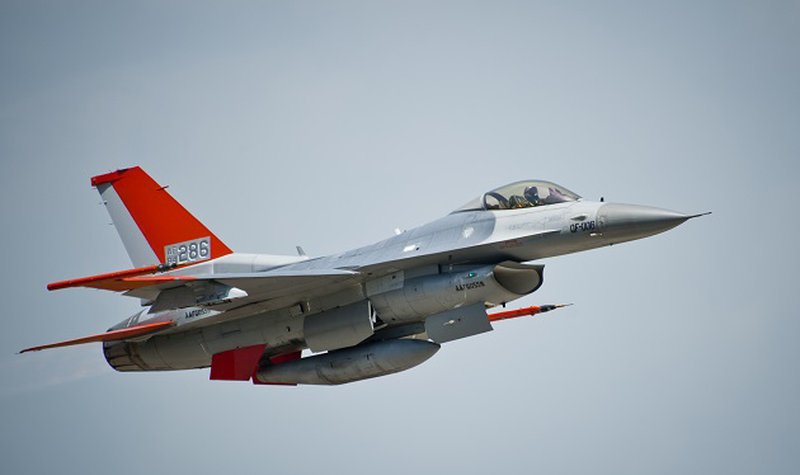
The re-use of redundant fighter aircraft to act as full-scale aerial targets (FSAT) has a certain symmetry with the hunter becoming the hunted. In August, …
The Medium Altitude Long Endurance Remotely Piloted Aircraft System (MALE RPAS) programme to develop a common European UAS has moved into the definition study phase. …
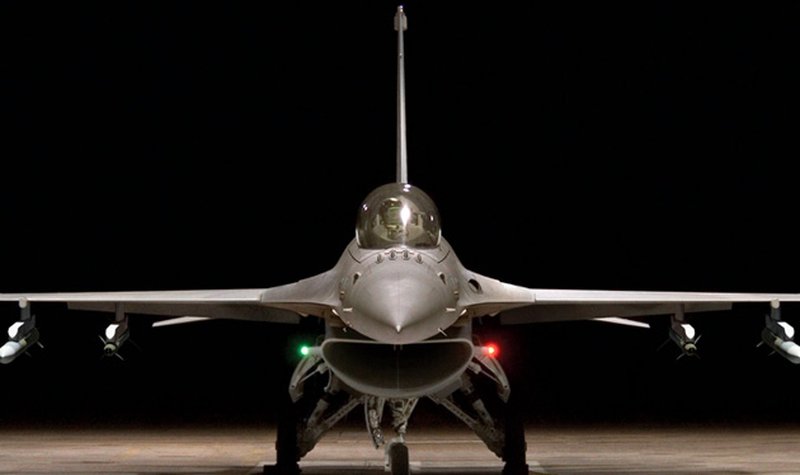
Lockheed Martin has been awarded a $40 million contract to deliver a simulation-based F-16 aircraft training environment to the Royal Jordanian Air Force (RJAF), the …
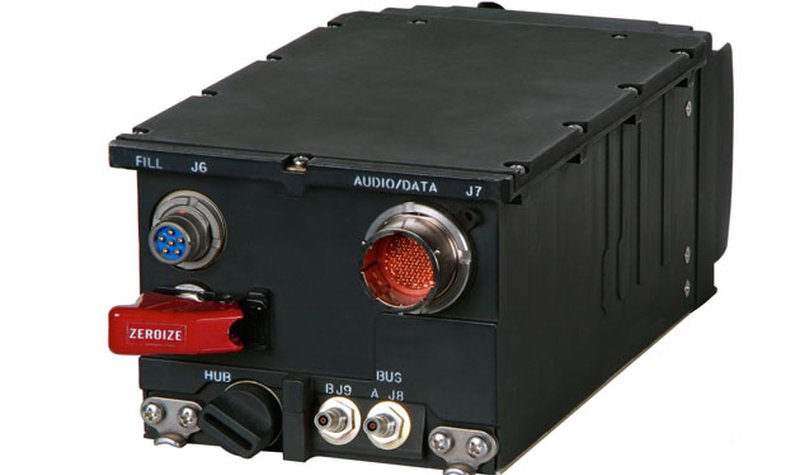
BAE Systems has developed new handheld electronic warfare (EW) technology for the US Defense Advanced Research Projects Agency (DARPA), the company announced on 27 September. …
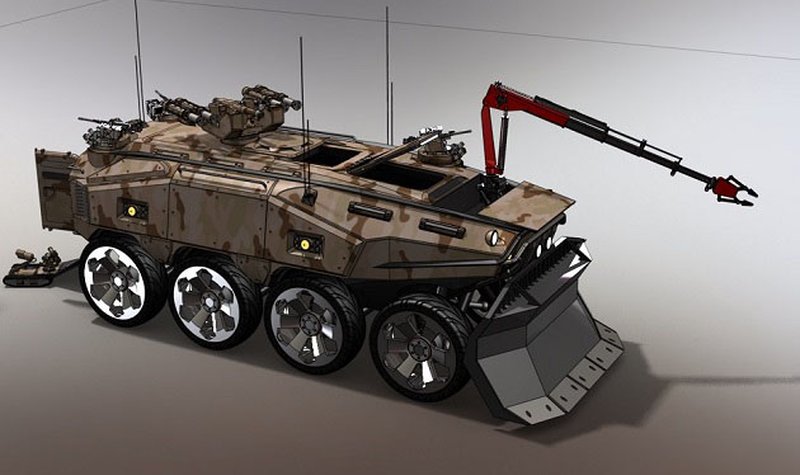
Concept designs outlining the next generation of combat UGVs from the UK’s Defence Science and Technology Laboratory (DSTL) indicate engineering potential but there were no plans …
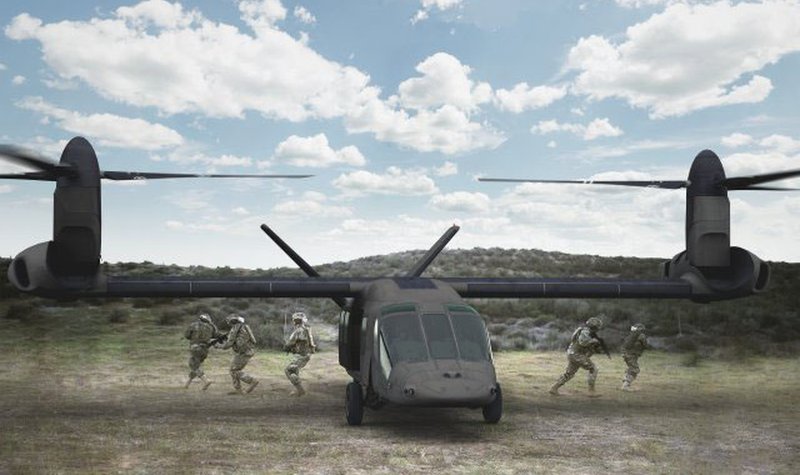
The US Army is currently looking for a new generation of rotorcraft to replace some of its in-service helicopters through its Future Vertical Lift (FVL) …
Wave Glider has taken part in a project with the Centre for Environment, Fisheries and Aquaculture Science UK (Cefas UK) to allow scientists to measure …
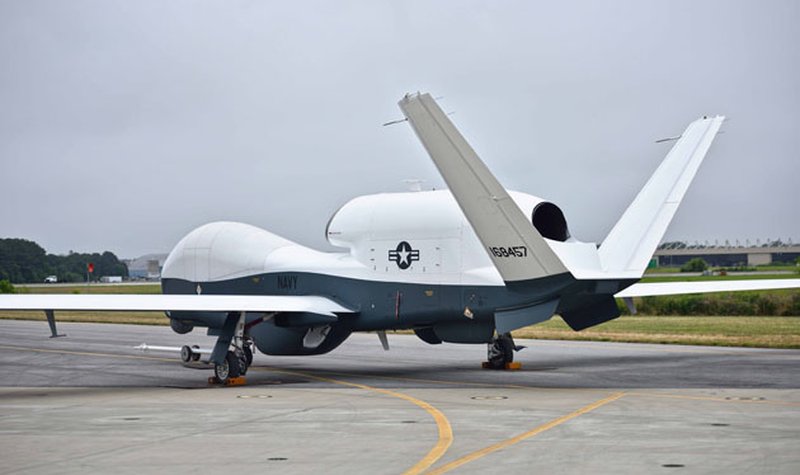
Northrop Grumman will produce three LRIP Lot 1 MQ-4C Triton aircraft following a fixed price contract modification by US Naval Air Systems Command. In an …
Wärtsilä Corporation has announced that it is to take part in a project aimed at creating the an autonomous marine transport system. The collaborative industry …