


UK MoD faces ‘serious’ ASW gap as Defence Committee outlines Arctic requirements
Anti-submarine warfare, uncrewed vessels and seabed monitoring top the demand list in the Defence Committee’s High North roadmap for the 2030s.


As a major operator of a diverse range of aircraft types that undertake a multitude of different ISTAR and covert missions, the US DoD has been the chosen model of many nations around the world. The US model has been mirrored by a few, mainly in part, but financial pressures have now posited the idea of a rethink.
The US stance has always been to support its own industry and so it comes as no surprise that its so-called ‘Boutique Fleet’ of specialist aircraft rely largely on Boeing and Lockheed Martin airframes.
Times are changing and many nations have realised that
Our news & analysis is now part of Defence Insight®
A Basic-level or higher Defence Insight subscription is now required to view this content.


Anti-submarine warfare, uncrewed vessels and seabed monitoring top the demand list in the Defence Committee’s High North roadmap for the 2030s.

Poland is reshaping its naval capabilities through investments in surface and undersea fleets, with further procurement opportunities expected into the 2030s.

Turkish shipbuilders have sold ships from Asia to Europe, but autonomy and swarm technology could give them a fairer fight against Western European rivals.

Ahead of Euronaval 2026, major submarine, frigate and aircraft carrier programmes are driving investment, while future corvette replacements and growing interest in uncrewed vessels offer further opportunities for industry into the 2030s and beyond.
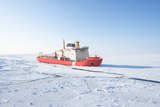
The Canadian Department of National Defence is evaluating communications and reconnaissance changes for CCGS Imnaryuaq’s expanded maritime security role, while retaining its 2032 acceptance target.
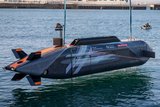
Responses are due by 29 October as the Royal Navy tests the market, with BAE Systems’ Herne and MSubs’ Excalibur setting up a contest where payloads may decide the winner.

Connect with us on socials


