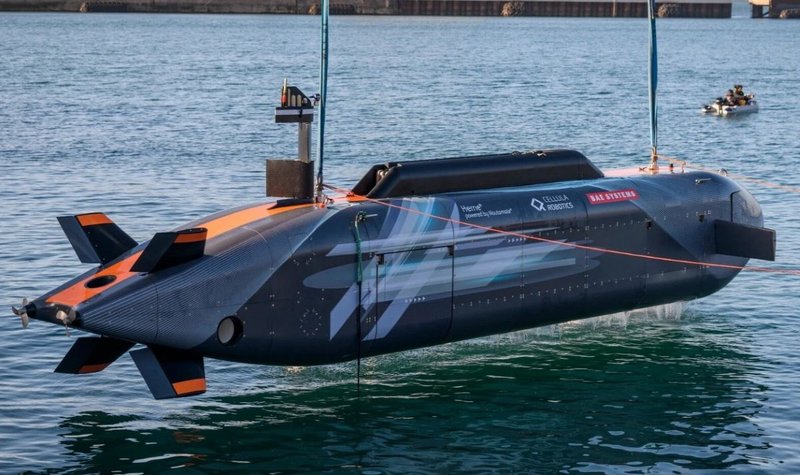
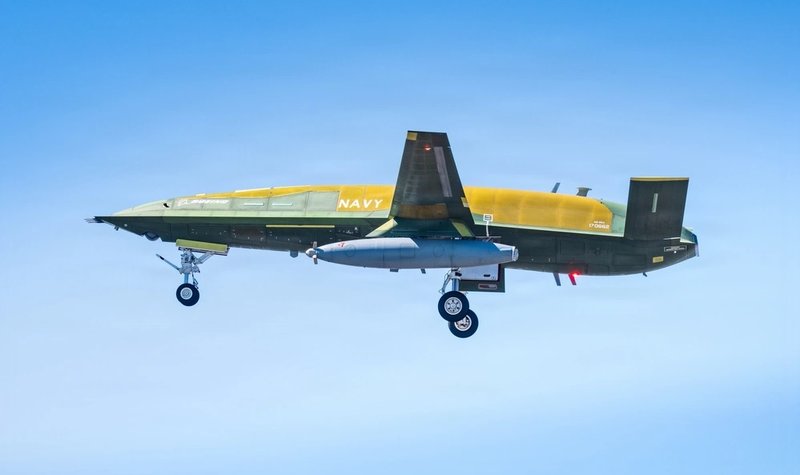
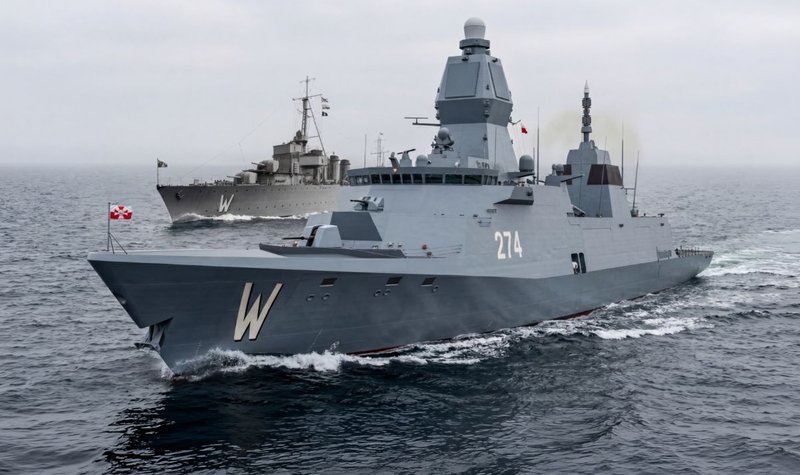
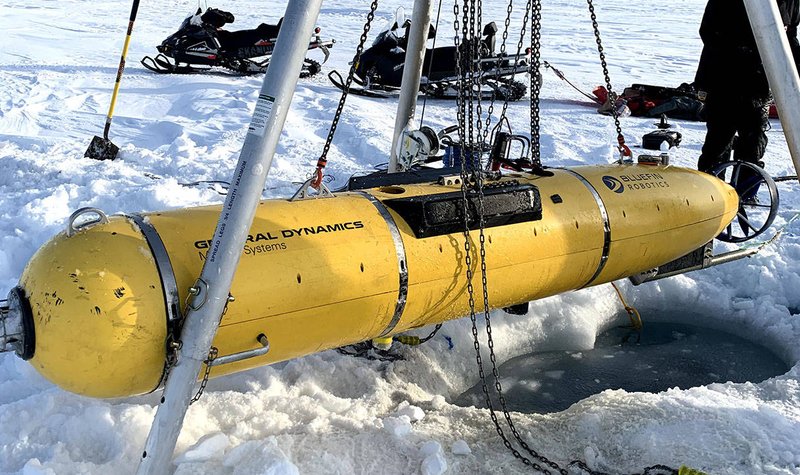
The changing Arctic environment is creating new challenges for submarine detection, driving demand for distributed sensors, uncrewed underwater vehicles and real-time acoustic modelling.
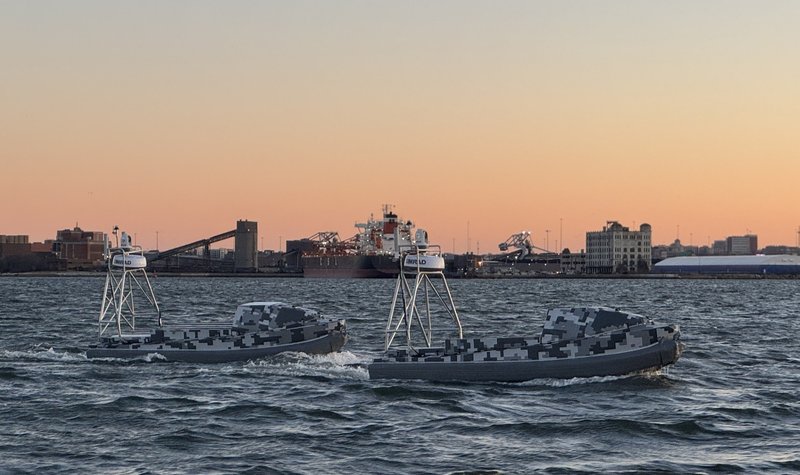
A wave of acquisitions is bringing specialist autonomy and underwater technology under the umbrella of larger defence contractors. As a result, navies may gain faster access to capability, but not necessarily a broader choice of suppliers.
The joint aviation capability embarked on HMAS Adelaide achieved key milestones while deployed to Papua New Guinea during Operation APEC 18 Assist, the Royal Australian …
Navantia has launched the Royal Australian Navy’s (RAN's) new auxiliary oiler replenishment (AOR) vessel Nuship Supply at its shipyard in Ferrol, Spain. Supply is the …
Iran's supreme leader Ayatollah Ali Khamenei called 28 November for the country to boost its naval forces as a deterrent against its enemies and hailed …
The Royal Navy has carried out helicopter deck landing training on Type 23 frigate, HMS St Albans.Wildcat and Merlin helicopters from 814, 815 and 846 …
Hyundai Heavy Industries (HHI) launched an auxiliary training ship for the Republic of Korea Navy (ROKN) at its Ulsan shipyard on 16 November. The $23 …
The South Pacific region is shaping up as a massive maritime chessboard upon which China and the US are beginning to manoeuvre with greater geopolitical …
Senior US Navy personnel have called for the more rapid introduction of technology into service in order to provide the fleet with the capabilities required …
Cambridge Pixel has supplied its RadarWatch coastal surveillance software and advanced target trackers to Maritime Information Systems (Maris) as part of an upgrade to safety …