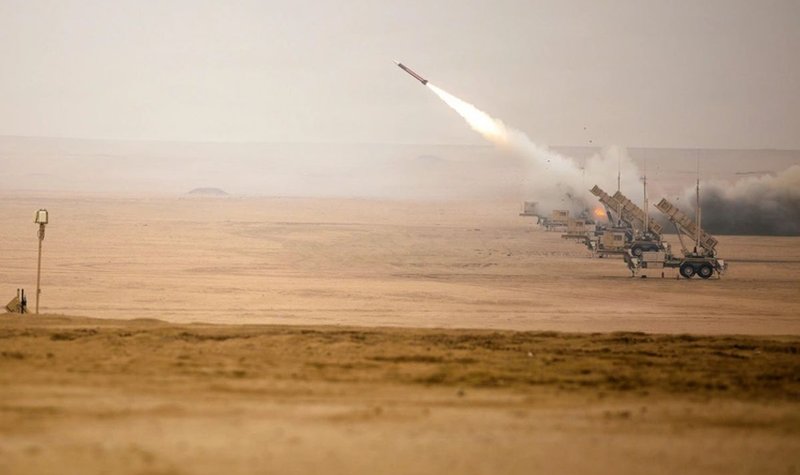
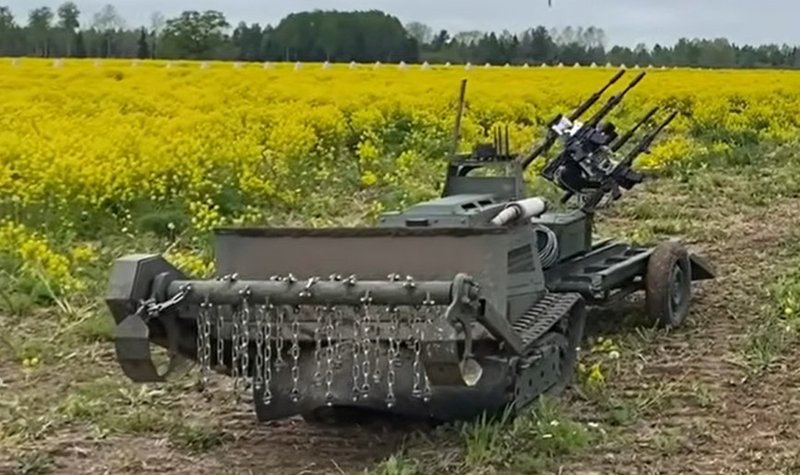
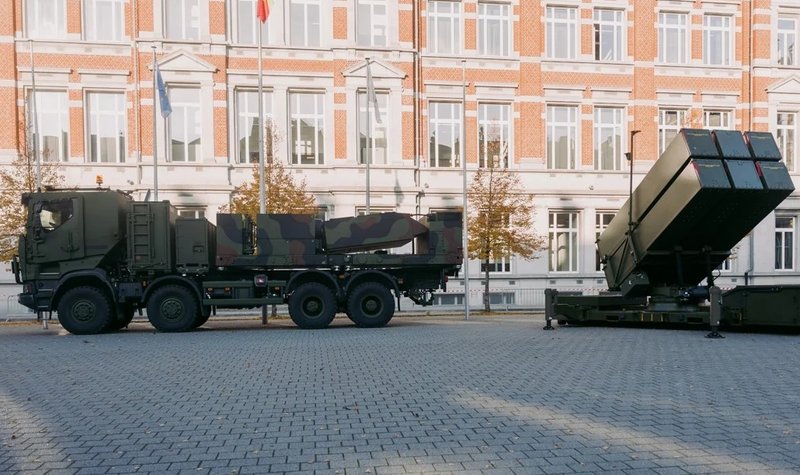
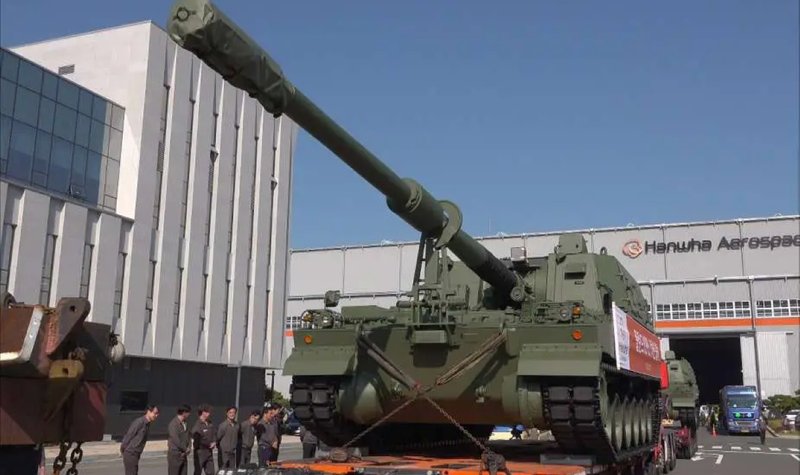
Poland’s potential €53 billion land procurement pipeline could give it one of Europe’s largest armoured vehicle fleets, with local production, technology transfer and future exports central to the strategy.
New interceptors and launchers could help navies preserve missile stocks during prolonged escort operations. Yet lower engagement costs will only improve merchant protection if the weapons are available where ships need defending.
Rheinmetall has entered into a global cooperation agreement with Paravan to advance autonomous driving technologies. The companies will work to develop semi- and fully autonomous …
General Dynamics Ordnance and Tactical Systems (GD-OTS) has received a $17 million contract from the US Army for production of the 40mm M781E1 Low Velocity …
Telos Corporation will carry out work to modernise the Base Information Transport Infrastructure (BITI) Wireless Local Area Networks (WLAN) for the US Air Force, the …
FLIR Systems has received an order worth $74.7 million to deliver TacFLIR surveillance cameras in support of the US Army's EO/IR-Force Protection (FP) programme, the …
Harris Corporation has received an order to develop an integrated tactical communications network as part of the communications modernisation programme of an undisclosed Asia-Pacific country, …
With the US Army running a 1980s-vintage amoured vehicle fleet, the service is concentrating efforts on major upgrades as well as how platforms such as …
After field tests, the Royal Thai Navy (RTN) began deploying its new HMV-150 4x4 armoured vehicle to the country’s southern border area for security operations …
Dynamit Nobel Defence and Hensoldt have delivered the RGW 90 Long Range Multi-Purpose (LRMP) weapon and a specially developed Hensoldt fire control sight to the …